![Stop Lifting Your Kids Like This: 3 Back Pain Fixes [2026]](https://bodyrenewtherapy.com/wp-content/uploads/2026/02/Stop-Lifting-Your-Kids-Like-This-3-Back-Pain-Fixes-2026.jpeg)
It happened again yesterday. My little one was jumping into my arms, and I instinctively bent at the waist, lifting with my back instead of my legs. The sharp sting in my lower back reminded me why I had been feeling so stiff and uncomfortable lately. I realized that despite all my knowledge on proper lifting techniques, I still slipped into old habits. That lightbulb moment hit hard—if I keep doing this, I’ll be sidelined with persistent back pain or worse, a herniated disc. Have you ever felt that familiar twinge after lifting your kids or doing daily chores? You’re not alone.
Why Your Back Pays the Price for Careless Lifting
Children bring so much joy, but let’s be honest—they can also be surprisingly heavy and wiggly. Unfortunately, many of us fall into the trap of lifting them the same way we lift grocery bags, ignoring the importance of proper technique. That repeated stress on your spine isn’t just uncomfortable in the moment; it can lead to chronic issues like sciatic nerve irritation or even long-term back degeneration. In fact, a study published by the American Journal of Preventive Medicine found that improper lifting and repetitive poor posture contribute significantly to back injuries in adults.
Early in my own journey, I made the mistake of ignoring how I was lifting—thinking, “It’s just a quick pick-up, I’ll be fine.” That mistake cost me weeks of pain, and I knew I had to change. Now, I want to help you avoid the same pitfalls. If you’re tired of daily back discomfort or fear a minor incident turning into a serious injury, read on. We’re about to explore three simple yet effective back fixes that can save your mobility and keep you active with your kids for years to come.
Is Proper Lifting Technique Really Worth the Extra Effort?
When I first learned about correct lifting mechanics, I was skeptical—didn’t it seem obvious? Turns out, I had been neglecting small but crucial details that make all the difference. For example, bending your hips and knees rather than your waist, and engaging your core can dramatically reduce back strain. I used to think I was strong enough to handle it, but over time, that false confidence led to minor injuries that could have been avoided. If you’re wondering whether these small adjustments are really worth it, I encourage you to consider the long-term benefits. Proper lifting not only protects your back but also enhances your overall posture and strength. For more tips on maintaining mobility, you can check out ergonomic strategies for everyday comfort.
So, are you ready to stop risking your back every time you pick up your child? Let’s dive into the practical fixes that will keep you moving comfortably and confidently, without the nagging pain holding you back.
Perfect Your Hip and Knee Bend
Think of your hips and knees as the hinges of a door—you want them to open wide, not creak at a tight angle. I once tried lifting my youngest without bending my hips properly, feeling a sharp discomfort that lingered for days. Now, I remind myself to push my hips back as if opening a double door, allowing my legs to do the work.
Engage Your Core Like a Corset
Your core is your body’s natural support system—imagine it as a strong corset wrapping around your midsection. When I lifted a heavy box and consciously tightened my abdominal muscles, the strain on my lower back was noticeably reduced. To do this, brace your abs as if prepping for a gentle punch—this stabilizes your spine.
Keep the Load Close to Your Body
Imagine trying to hug a hot pan versus holding it at arm’s length—the closer, the safer. I once carried my child’s backpack with extended arms, feeling the strain instantly. Instead, I fold the straps and hold the load near my belly, reducing leverage on my lower back.
Use Your Legs, Not Your Back
Your legs are stronger and designed for lifting, much like the foundation of a house. I used to bend my waist and lift with my back, causing discomfort. Now, I bend at my hips and knees, then push up using my leg muscles—like rising from a squat—saving my back from undue stress.
Practice the ‘Sit-Stand’ Technique
Imagine sitting down with control and standing up effortlessly—this rhythm mimics good lifting posture. I began practicing this during my daily chores, switching from bending to sitting and standing, which kept my spine aligned and strengthened my leg muscles over time.
Mind the Load Limit
Overloading is akin to trying to lift a heavy suitcase with weak handle—dangerous. I learned to assess the weight of my child before picking up, sometimes asking for help or using a stroller. Remember, if it feels too heavy or awkward, it’s better to get assistance.
Incorporate Functional Mobility Exercises
Enhance your flexibility and strength with targeted movements. For example, I include deep hip squats and gentle spinal twists in my routine, which prepare my body for real-life lifting. Regular practice reduces stiffness and improves your body’s ability to handle daily demands. Check out these mobility exercises to get started.
Many individuals believe that persistent neck, back, or sciatica pain stems solely from isolated physical injuries or aging. However, a common misconception is that these issues are purely structural and cannot be influenced by lifestyle or subtle neurological factors. In reality, the nuances of how we develop and manage these pains often go unnoticed, leading to prolonged discomfort and ineffective treatments.
For instance, there’s a widespread myth that pain always correlates directly with tissue damage. While this might seem intuitive, research shows that pain is a complex experience influenced by the nervous system’s sensitivity, emotional state, and even subconscious habits. An article in the Journal of Pain highlights that chronic pain can persist even after the original injury has healed, partly due to maladaptive neural pathways. So, focusing only on physical remedies without considering neurological factors can inadvertently prolong suffering.
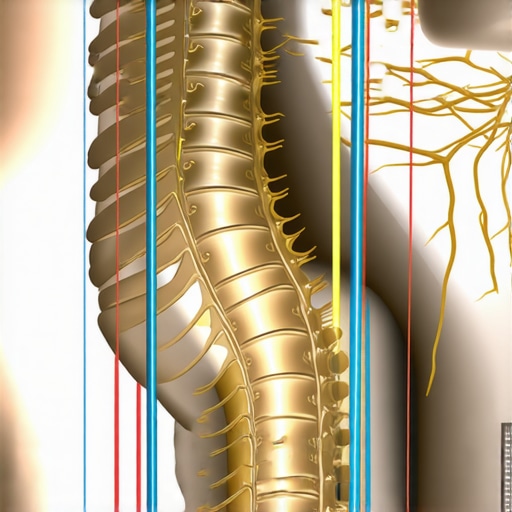
Another advanced mistake is neglecting the importance of mobility exercises that address the root causes of stiffness and nerve compression. Many individuals fall into the trap of static stretches or passive therapies that temporarily relieve symptoms but don’t resolve underlying movement restrictions. Instead, integrating movement patterns that promote fascial health and joint lubrication can provide more sustainable relief.
Furthermore, many patients overlook the significance of posture nuances—small, habitual misalignments—like subtle forward head positioning or asymmetric loading that gradually strain the cervical, lumbar, or sciatic nerves. These nuances often go unnoticed until they manifest as persistent pain or numbness. Behavioral adjustments, combined with targeted mobility work, are essential for long-term health.
What about common pitfalls in treatment? Relying solely on pain medications might mask symptoms but doesn’t address the underlying dysfunction. Similarly, performing aggressive stretching without professional guidance can worsen nerve irritation or ligament strain. Recognizing these advanced nuances requires a deeper understanding of biomechanics and neurophysiology.
Have you ever fallen into this trap? Let me know in the comments. For a comprehensive approach, consider exploring targeted strategies to unlock your pain points with expert guidance. You can find effective techniques to tackle sciatica, restore neck mobility, and strengthen your back by visiting this resource.
Ensuring you’re aware of these subtleties can dramatically improve your recovery and prevent recurring issues. Remember, optimal health is a blend of structural, neurological, and behavioral factors—treat all interconnected aspects for sustainable relief.Maintaining your back and neck health over time requires the right set of tools and consistent practices. One of my personal favorites is the use of a foam roller, specifically a dense, 36-inch high-density foam roller. I use it daily to release my fascial tissues and improve my mobility, especially around the lumbar and thoracic regions. Regular foam rolling helps break down adhesions, enhances blood flow, and prepares my muscles for more effective stretching or activation exercises. For target-specific relief, I supplement with a massage ball—my go-to is a lacrosse ball—which is perfect for pinpointing trigger points along the hips, lower back, and neck, making self-myofascial release both efficient and cost-effective. When combined with a set of resistance bands, I can perform strengthening routines that reinforce proper lifting mechanics and posture alignment, preventing recurrent pain episodes.
In addition to physical tools, I rely heavily on mobility and posture-tracking apps like PhysiApp, which guides me through personalized exercises and helps monitor my progress. These digital platforms are evolving rapidly, integrating biofeedback and real-time movement analysis, which I predict will become standard in home rehab tools in the near future.
For maintaining long-term results, I recommend establishing a daily mobility routine that incorporates these tools alongside ergonomic adjustments—such as an adjustable standing desk and proper chair support—which can significantly reduce strain during prolonged sitting periods. I also emphasize the importance of periodic professional assessments, especially if you experience persistent discomfort. Scheduling a consultation through resources like our contact page can provide tailored advice and help prevent minor issues from developing into chronic conditions.
Looking ahead, advancements in wearable technology, like smart posture sensors, are poised to revolutionize how we maintain spinal health. These devices can alert you when your posture deviates from optimal alignment, encouraging real-time corrections and fostering lifelong habits.
So, how do I maintain my mobility and prevent setbacks? I make a point to incorporate a quick, targeted mobility session with my foam roller and lacrosse ball at least once a day. For example, a simple 5-minute thoracic roll combined with selective trigger point release can make a noticeable difference in daily comfort and movement quality.
Try integrating these tools into your routine, and observe how they support your long-term mobility goals. Remember, consistency is key—pairing physical tools with ergonomic habits will ensure your back and neck stay healthy and functional for years to come.
The Hardest Lesson I Learned About Back Pain and Mobility
One of the most profound realizations I had was understanding how subtle habits could sabotage my back health. I used to think minor daily actions didn’t matter—like lifting my kids quickly or slouching at my desk. But over time, these small choices accumulated, leading to chronic discomfort and limited mobility. The lightbulb moment came when I realized that investing in proper movement now could save me from severe pain later. This insight changed my approach entirely and highlights the importance of mindful habits in maintaining a healthy spine.
My Essential Tools for a Stronger, More Flexible Back
I’ve come to rely on select tools that make a real difference—specifically, a high-density foam roller, a massage ball, and resistance bands. These might seem simple, but their power lies in enabling me to release fascial adhesions, target trigger points, and strengthen muscles that support proper lifting. I trust these tools because they’ve been foundational in my journey toward pain-free movement, helping me address issues before they turn into setbacks. Incorporating them consistently has been a game-changer for my back health.
Embracing the Power of Consistency and Mindset
The most emotional lesson has been recognizing how crucial daily habits are. Small, intentional actions—like consciously engaging my core when lifting or stretching during breaks—have transformed my outlook on health. It’s easy to feel overwhelmed, but I’ve learned that consistency beats intensity. Cultivating a mindset of proactive, gentle care towards my back has empowered me to stay active and joyful, proving that long-term change isn’t about perfection but perseverance. Remember, your habits shape your future—start today with one mindful movement.
![3 Sofa Sitting Habits Ruining Your Back in 2026 [Fix]](https://bodyrenewtherapy.com/wp-content/uploads/2026/02/3-Sofa-Sitting-Habits-Ruining-Your-Back-in-2026-Fix.jpeg)