
Stop Stretching Your Neck When It Hurts

Ever found yourself desperately stretching your neck the moment a dull ache creeps in, only to feel that frustrating twinge intensify? I remember the countless mornings I’d wake up with a stiff neck, reach for a quick stretch, and then wonder why the pain refused to go away. I used to think that stretch was the fix — turns out, I was actually making things worse. That lightbulb moment changed everything for me.
Why Your Knee-Jerk Reaction Might Be Holding You Back
Most of us have been conditioned to believe that stretching is the universal fix for neck pain. But let me tell you — especially if you’ve experienced persistent discomfort — blindly stretching can sometimes do more harm than good. I used to spend hours trying different stretches, only to find my pain lingering or even worsening. It wasn’t until I understood the root causes and started approaching healing differently that I truly regained relief.
Is All Stretching Actually Worth the Hype?
I remember early on, I made the mistake of underestimating the importance of proper diagnosis. I’d rush into a stretch without considering whether my muscles were actually tight or if the pain was due to misalignment or nerve irritation. According to experts, applying aggressive stretches without understanding your specific condition can lead to further injury. This mistake is common, but fortunately, it’s avoidable. Instead of jumping to stretch, I discovered that improving mobility through targeted, gentle techniques can be way more effective, as detailed in this resource on neck pain solutions.
So, if you’ve been relying on the quick fix of stretching and your neck just won’t cooperate, don’t worry. There are smarter, evidence-backed strategies that can help you move past this frustration. And that’s what I’m here to share — a way to approach neck pain that’s actually rooted in understanding your body better, rather than just trying to stretch away the discomfort.
Ready to take a different route? Let’s dive into why conventional stretching might be sabotaging you and how we can do better. Because neck pain isn’t just a nuisance — it’s a signal that something needs attention, and ignoring it could mean longer-lasting issues.
Identify the Root Cause Before Moving Forward
Start by assessing whether your neck pain stems from muscle tightness, joint misalignment, or nerve issues. Use gentle self-awareness: does applying pressure or moving your neck in specific directions relieve or worsen the pain? I once spent weeks blindly stretching my neck, only to realize that my pain was linked to poor posture and joint stiffness, not just muscles. This discovery led me to focus on targeted mobility techniques instead of generic stretching.
Incorporate Gentle, Controlled Movements
Practice the Neck Nerve Glide
Visualize your nerves as delicate, flexible cables. When they get pinched or irritated, they cause pain and numbness. Performing nerve gliding exercises, like gentle side-to-side movements, can help restore mobility and reduce discomfort. I remember trying a simple nerve flossing routine for the first time—initially awkward and messy—but over a week, I noticed a significant reduction in stiffness and numbness. For detailed guidance, check this resource on regaining neck mobility.
Use Mechanical Support to Enhance Mobility
Implement ergonomic tools like cervical pillows or specific chair adjustments to maintain proper alignment. Proper positioning diminishes strain on muscles and joints. For example, I adjusted my workstation height, which alleviated daily neck tension. Remember, maintaining natural spinal curves prevents the muscles from overcompensating and tightening. Discover more about ergonomic setups in this ergonomic tips article.
Target Stiff Joints with Specific Mobilization
Use tools like foam rollers or massage balls on your upper back and shoulders to reduce joint stiffness. Rolling out tight muscles helps improve blood flow, which accelerates healing. I tried a simple foam rolling routine on my upper thoracic spine; initially clumsy and awkward, but after a few sessions, shoulder tension and neck stiffness eased noticeably. Learn proper foam rolling techniques for neck and upper back here.
Progress with Daily Mobility Habits
Integrate movement into your routine to prevent stiffness accumulation. Gentle neck circles, chin tucks, and shoulder rolls performed several times a day keep joints lubricated and muscles relaxed. I found that setting alarms every hour to perform quick stretches prevented my neck from tightening up during long desk hours. For sustained results, focus on consistency rather than intensity. A series of small, deliberate movements can make a profound difference.
Maintain Long-Term Posture Awareness
Pay attention to how you hold your head and neck throughout the day. Avoid craning forward or slouching, as these habits reinforce stiffness. Devices like phone holders or adjustable stands can help. Remember, guiding your body back into proper alignment is an ongoing process—consider it an investment in your health. Check out expert tips on posture correction techniques.
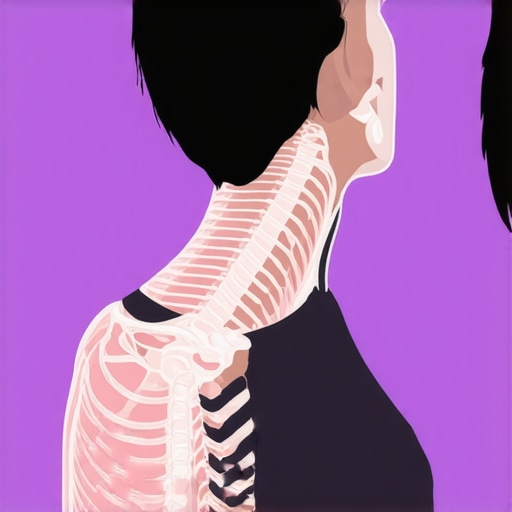
Visual demonstrating nerve gliding exercise for neck mobility, showing gentle side-to-side movement with relaxed shoulders.
Many of us fall prey to common misconceptions about neck pain and back discomfort, often leading to ineffective treatments and prolonged suffering. As an expert in musculoskeletal health, I want to reveal some nuanced truths that challenge popular beliefs and help you approach pain management more intelligently.
Why Stretching Isn’t Always the Answer
It’s a widespread idea that stretching muscles is the key to relief. While gentle stretching can help in certain cases, it can also backfire, especially if the root cause isn’t muscular tightness. For example, in cases of nerve impingement or joint misalignment, aggressive stretching can worsen symptoms or delay proper healing. This is a trap many fall into, believing that more stretching equals more progress. Instead, focusing on targeted mobility techniques and diagnosing the true cause yields better results.
Furthermore, intense or improper stretching can overstretch ligaments or strain tendons, leading to chronically unstable joints. This misstep can cause pain to linger or worsen over time. Recognizing when to avoid aggressive stretching and instead employ gentle, controlled movements is a critical nuance many overlook.
What Most Overlook About Sciatica and Back Pain
Commonly, people assume that all sciatic pain stems solely from lumbar disc issues. However, research shows that pelvic alignment and tight hip flexors often significantly contribute to nerve compression. Ignoring these factors and solely focusing on the lower back may lead to unnecessary surgeries or medication use. Adjusting your approach to include pelvic stabilization exercises and mobility work can provide more lasting relief. For instance, incorporating simple lifestyle changes can make a measurable difference.
Similarly, many treat back pain as a localized issue when, in reality, poor posture, movement habits, and even footwear play roles in pain persistence. The idea that pain always originates from the site of discomfort fails to account for kinetic chain reactions. Addressing these interconnected factors results in more comprehensive healing.
Advanced Mistakes That Undermine Your Progress
One subtle but impactful mistake is neglecting posture ergonomics. Maintaining poor posture over months or years gradually strains muscles, discs, and joints, making pain chronic. Yet, many ignore this and rely solely on pain medication or passive treatments.
Another lesser-known trap involves ignoring nerve health. Chronic pain may involve nerve inflammation or irritation that cannot be addressed solely through muscle mobility. Techniques like nerve gliding exercises or proper nerve decompression are essential but often overlooked. For example, nerve flossing routines, when performed correctly, can restore mobility and reduce numbness effectively.
What Does This Mean for You?
Understanding these nuances allows you to avoid common pitfalls and adopt strategies that align with your specific condition. The key is to diagnose accurately, target the actual cause, and incorporate evidence-backed techniques rather than relying on outdated myths. Remember, persistent pain is often a symptom of complex, interconnected issues that require a comprehensive approach. If you’re ready to explore personalized solutions, check out our neck pain strategies and start your journey towards lasting relief.
Have you ever fallen into this trap? Let me know in the comments, and together, we can refine our understanding and approach to physical health.
Maintaining mobility and managing long-term pain require more than just awareness; they demand the right tools and consistent practices. Over the years, I’ve discovered that integrating targeted equipment and tech solutions has made a profound difference in my recovery and ongoing health. For example, I personally rely on a high-quality foam roller for my upper back—using it daily to release tension and improve circulation. It’s essential to choose a foam roller with a slightly Firm density and a textured surface, which helps in breaking down adhesions and encouraging healthy tissue recovery. Proper foam rolling techniques maximize benefits and avoid potential injury.
Beyond manual tools, digital platforms like guided mobility apps have become invaluable. I use a mobility tracking app that offers personalized routines, ensuring I perform the right exercises at optimal times. These apps often contain videos demonstrating precise movements, which is crucial because improper form can negate the benefits or cause more harm. As research indicates, structured, consistent routines supported by visual guidance significantly enhance long-term results and compliance.
Incorporating ergonomic devices also plays a critical role in upkeep. A well-designed lumbar support pillow in my car and an adjustable standing desk at my workspace have prevented many flare-ups. Adjustable ergonomic chairs with lumbar support and footrests encourage better posture, translating directly into less strain during daily activities. The right combination of tools can help you sustain progress and prevent setbacks, especially as your body’s demands evolve.
Looking ahead, emerging technology like AI-driven posture correction systems may soon offer real-time feedback and personalized advice, making maintenance even more accessible. For instance, some advanced wearables analyze your movements and suggest instant adjustments, reducing the risk of improper habits forming over time. As these innovations become more affordable and integrated into daily routines, they will likely become staples in our quest for long-lasting mobility.
How do I maintain my progress over time?
The key to lasting results is commitment to a daily routine of small, manageable movements supported by reliable tools. Regularly using a foam roller or nerve glide exercises, combined with ergonomic adjustments and tracking your progress through digital solutions, creates a robust system. Remember, consistency outweighs intensity. Even a few minutes daily can build resilience and prevent degenerative changes. For example, incorporating a few gentle neck rotations and shoulder rolls each morning reinforces mobility and reduces stiffness.
One practical tip I highly recommend trying is the 30-second wall slide. It’s a simple, quick movement that helps reset shoulder and upper back alignment, especially after long periods of sitting. Integrating this into your daily routine can prevent tightness from becoming chronic and improve overall posture.
To optimize your maintenance strategy, consider utilizing a combination of manual tools, ergonomic setups, and digital routines. By doing so, you create a multi-layered approach that adapts as your body changes and ensures long-term health. Ready to see real improvements? Start with one tool or habit today—perhaps a targeted nerve glide or ergonomic adjustment—and gradually build your personalized maintenance system from there. Consistency is your best ally in this journey.
Would you like personalized guidance on choosing the best tools for your specific condition? Reach out through our contact page—we’re here to support your mobility journey.
The Hardest Lesson I Learned About Neck Pain and Mobility
One profound realization was that persistent pain often masks deeper issues like imbalances or nerve involvement—treating symptoms without diagnosing the root only prolongs suffering. It took experience and patience to understand that gentle mobility and targeted techniques outperform generic stretching every time.
Why Overlooking Posture Has Cost Me Time and Comfort
I once underestimated how crucial daily habits are; poor ergonomics and habitual forward head posture created ongoing tension. Adjusting my environment and becoming mindful of my body’s signals proved more effective than endless stretches. Discovering these nuances significantly accelerated my recovery journey.
What I Wish Someone Told Me About Nerve Health
Nerve irritation plays a pivotal role in neck and back pain; yet, many overlook nerve-specific exercises like gliding movements. Incorporating nerve flossing routines not only alleviated numbness but also enhanced movement quality—an insight I wish I had embraced sooner.
Curated Tools That Transformed My Approach
From ergonomic chairs to foam rollers with textured surfaces, the right tools made a tangible difference. For example, a quality foam roller helped release my upper back tension more effectively than manual techniques alone. I trust these because they support my body’s natural healing processes when used consistently.
Fuel Your Progress with Consistent Daily Moves
Small, deliberate habits—like neck circles or shoulder rolls—cumulatively build resilience. I found embedding these into my routine prevented stiffness and maintained mobility. The key is persistent, mindful movement rather than sporadic effort, which sustains long-term health.
Inspiration to Keep Moving Forward
Your journey towards pain-free mobility can be transformative if you embrace targeted, gentle techniques and stay consistent. Don’t shy away from seeking personalized solutions; your body’s unique signals are your best guide. Remember, each small step taken today paves the way for a healthier, more comfortable tomorrow.