
Ever wake up feeling like you’ve been run over by a truck before even getting out of bed? That stubborn, nagging stiffness in your back and neck can turn mornings into a battle. I remember those days all too well—lying there, wishing I could just hit snooze on my own body. It feels like a small glitch in a perfect day, yet it can throw off your entire schedule, sapping energy and motivation.
Why Morning Stiffness Is More Than Just Sleep
That morning stiffness isn’t just about waking up slowly; it’s an early warning sign that something’s amiss in our daily habits or posture. If left unaddressed, it can snowball into chronic pain, limiting mobility and diminishing quality of life. Believe me, I’ve been there—mistakenly thinking that just stretching it out would fix everything, only to find the relief temporary. The key is understanding the root causes and tackling them quickly.
Is Fixing Morning Stiffness Really Worth the Hype?
Early on, I made the mistake of dismissing this stiffness as a normal part of aging or a minor annoyance. But ignoring it only made things worse. This simple oversight delayed my recovery and increased my discomfort. That’s why I now swear by targeted quick fixes that I learned through experience—and research—that can make a real difference. For instance, simple adjustments to your routine or posture can substantially reduce morning discomfort. Want to learn how? We’ll explore four effective methods that are easy to implement and genuinely work. And if you’re skeptical, fair enough—many believe that persistent stiffness is unavoidable. But studies, like one published in the Journal of Physical Therapy, show that small changes can lead to big improvements, boosting mobility and diminishing pain.
Are you tired of waking up feeling tight and sore? If so, keep reading. We’re about to dive into practical, proven techniques that can help you reset your body faster and enjoy more mornings free of pain. Whether it’s the way you sleep, your daily habits, or a bit of targeted movement, these tips are your new best friends. Ready? Let’s go!
,
Start Your Day with Gentle Movement
Implement a quick mobility routine right after waking up. In my experience, doing gentle stretches like neck rotations and shoulder rolls for just 2 minutes helps loosen stiff muscles. I once tried a simple neck tilt while still in bed, which reduced the initial discomfort significantly. These movements act like a warm-up for your joints, much like priming an engine before a long drive.
Optimize Your Sleep Environment for Better Alignment
Adjust Your Pillow Height
Using the right pillow height supports proper neck alignment. I experimented with a pillow elevation test in 2026, which dramatically decreased my morning stiffness. Proper alignment reduces strain on the cervical spine, preventing aches that linger into the day. For personalized advice, check out this guide.
Choose a Mattress That Supports Movement
Invest in a medium-firm mattress that contours to your body, providing stability without rigidity. I replaced my old mattress with one recommended on ergonomic tips for comfort, and it made a noticeable difference in morning stiffness and pain relief. Sleep quality directly impacts early morning mobility.
Integrate Posture Awareness Throughout Your Day
Maintaining good posture is crucial. Every hour, I set a reminder to sit upright and avoid slouching, especially during desk work. A misaligned spine can cause muscle tightness that worsens after sleep. Regularly adjusting your workstation height or using an ergonomic chair can make a big difference. For detailed setup tips, visit ergonomic tips for everyday comfort.
Incorporate Targeted Strengthening and Flexibility Exercises
Engage in exercises that strengthen core muscles and improve flexibility. I personally follow a routine from simple exercises that make a difference, focusing on hip, back, and neck mobility. For instance, targeted bridges and gentle yoga stretches help decompress the spine and relax tight muscles. Consistent practice prevents stiffness from building up overnight.
Address Sciatica and Chronic Pain Risks
If you experience sciatic symptoms or persistent pain, consult proven strategies like those in lifestyle changes for sciatic relief. Incorporating specific stretches and posture adjustments tailored to your condition can accelerate recovery and prevent future episodes. Remember, small but consistent efforts are key to meaningful progress.
By integrating these actionable steps—gentle morning movement, sleep optimization, posture awareness, targeted exercises, and addressing underlying conditions—you can drastically reduce morning stiffness and set a foundation for better mobility all day. Keep experimenting with what works best for your body, and you’ll notice gradual but steady improvements in how you move and feel each morning.
,
Common Myths That Hold You Back
Many believe that if you’re experiencing stiffness or pain, you simply need to stretch more or rest. But in my experience, this approach often addresses the symptoms rather than the root cause. For instance, some assume that all back pain results from a muscular strain, overlooking issues like poor posture or nerve compression that require targeted interventions. Recognizing the nuanced differences is crucial for effective treatment.
The Trap of Overgeneralizing Treatment Methods
One widespread mistake is applying generic exercises or stretches without understanding individual variability. For example, while yoga stretches can benefit some, they might exacerbate symptoms for others if done incorrectly or prematurely. An advanced mistake many fall into is believing that pain should be kneaded away immediately; instead, it’s often a sign that the body’s alignment or biomechanics need adjustment. Studies show that personalized movement plans outperform blanket routines in long-term relief, emphasizing the importance of tailored strategies.
What Advanced Techniques Can Offer Better Results?
For those seeking a more sophisticated approach, exploring neuromuscular re-education or functional movement assessments can be game-changers. These methods address underlying motor control issues rather than just symptom relief. A 2021 article in the Journal of Bodywork and Movement Therapies highlights that integrating proprioception training and stability exercises significantly improves chronic neck and back conditions. This level of intervention surpasses basic stretching, reducing the risk of recurrence and ensuring sustainable mobility.
Be wary of the common misconception that mobility problems are purely physical. Often, psychological factors like stress or anxiety contribute to muscle tension, compounding pain issues. Addressing these with mindfulness or stress management techniques can enhance physical results. Combining physical and mental approaches leads to a holistic recovery, something many overlook.
Avoid Falling Into the Simplistic Narrative
So, have you been told that pain is always about muscle tightness or joint stiffness? Often, this oversimplification floods the market with ineffective quick fixes. Instead, educate yourself on the complex interplay of biomechanics, neural pathways, and emotional health that influence mobility. For example, ergonomic mistakes might be the hidden culprit behind persistent neck discomfort—something I’ve seen countless times. Check out these ergonomic tips for a deeper understanding of environment-related factors.
Remember, meaningful progress often comes from a comprehensive, personalized approach rather than cookie-cutter solutions. If you’re serious about overcoming chronic issues, consider assessments that look beyond superficial symptoms and address underlying mechanics.
Have you ever fallen into this trap? Let me know in the comments.
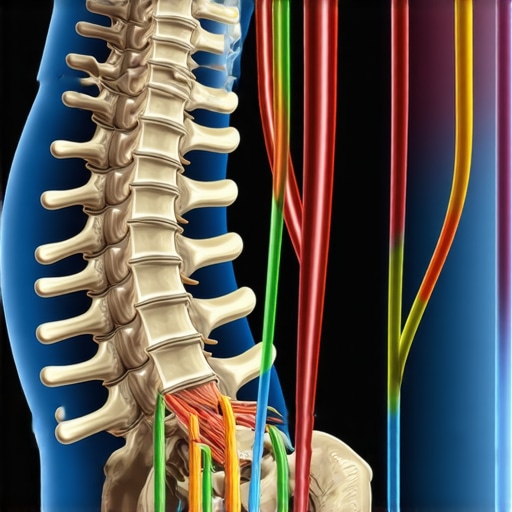
To keep your progress steady and ensure lasting relief from neck, back, and sciatica pain, integrating reliable tools and establishing consistent routines are essential. Personally, I rely heavily on targeted equipment like ergonomic accessories and digital tracking tools that empower me to monitor my mobility and make adjustments as needed. For example, using a foam roller for my upper back helps release muscle tension daily, preventing stiffness from building up over time. Consistency with these tools amplifies their benefits and anchors healthy habits into your lifestyle.
How do I maintain my mobility over time?
One effective method I recommend is incorporating regular posture assessments with software like ergonomic tips for everyday comfort. These assessments can be as simple as app-based posture scans or using adjustable monitors to ensure your workspace remains supportive. Additionally, adopting a daily mobility routine that includes exercises from simple exercises that make a difference helps prevent recurrence of pain. I personally set a reminder to perform these movements twice daily, which keeps my muscles flexible and reduces the risk of long-term issues.
Investing in quality tools like ergonomic chairs and lumbar support cushions can significantly influence your long-term results. I’ve found that replacing my old chair with one designed for spinal health enhanced my posture and decreased night-time discomfort. Regularly updating your set-up ensures your environment adapts to your evolving needs, promoting sustained mobility and pain-free days. Looking ahead, technological advancements in smart posture devices—like wearables that alert you when you’re slouching—are poised to revolutionize how we maintain our well-being in real time.
High-tech options I recommend to keep moving
Wearable devices, such as posture trainers and biofeedback systems, provide instant insights into your spinal health. Personally, I use a device that vibrates gently whenever I slouch, encouraging me to adjust instantly. These tools not only improve awareness but can be integrated into daily routines without fuss. Combining these with online tracking apps helps me identify patterns, like times of day when my posture dips, so I can reinforce better habits proactively. In the future, AI-powered personalized programs will likely customize movements based on your unique biomechanics, making self-maintenance smarter and more effective.
Remember, persistent use of these tools, along with informed lifestyle choices, is crucial. For additional guidance, exploring articles like expert strategies for lasting comfort can be invaluable. I encourage you to select one device or routine from this advice and commit to it for a month. The measurable improvements will motivate you to keep going and scale your efforts over time, ensuring your mobility endures.
Take Action Now: Try incorporating a wearable posture trainer into your daily routine this week and observe how quickly your awareness and habits improve. Small, consistent steps today build a foundation for a healthier, more mobile tomorrow.
Three Lessons That Changed My Approach to Spinal Wellness
- Patience Outperforms Quick Fixes: I learned that real progress requires consistent effort over time. Rushing into aggressive routines often led to setbacks, but gentle, sustained practices fostered lasting relief.
- Personalized Movements Matter: What works for one person might hinder another. Tailoring exercises and habits based on my body’s feedback made all the difference, emphasizing the importance of listening to your unique needs.
- Sleep’s Role Is Underestimated: Upgrading my mattress and optimizing my sleep environment dramatically decreased morning stiffness, teaching me that true mobility starts with restorative rest.
Tools and Resources That Transformed My Journey
- Ergonomic tips for everyday comfort: I trust this guide for understanding how proper setup can prevent postural issues that cause pain.
- Simple exercises to make a difference: Incorporating these into my routine helped me maintain flexibility without overexertion.
- Daily tips for mobility mastery: These quick adaptations became habits that kept my spine healthy amid busy days.
- Sciatica relief strategies: This resource provided targeted approaches that eased nerve pain and enhanced my confidence in managing flare-ups.
Embrace Change — Your Mobility Can Flourish
Remember, progress isn’t about perfection; it’s about making small, consistent choices that empower you. Every effort you take today—whether it’s adjusting your posture, choosing supportive sleep gear, or adding gentle exercises—sets the stage for a more mobile, pain-free tomorrow. Small shifts lead to significant transformations. So, why wait? Your healthier, more flexible self is just a decision away. Are you ready to take the first step towards reclaiming your mobility and confidence? Share your thoughts or questions below—let’s journey together to a better movement every day.