
The 10-Second Breath Fix for Lower Back Muscle Spasms
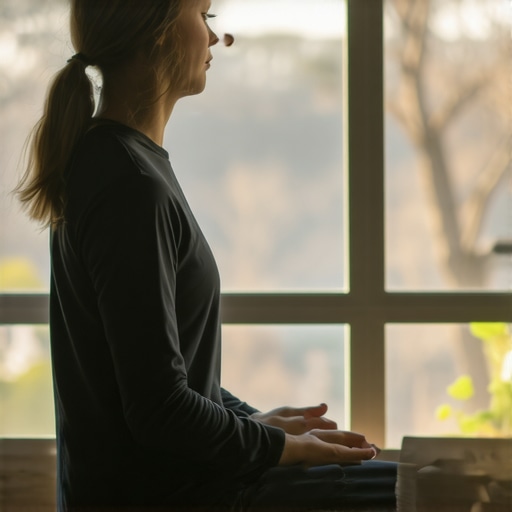
It hit me one afternoon, as I was limping back from the grocery store, clutching my lower back like a neglected garden hose. The excruciating spasms had become my unwelcome daily companion, stealing hours from my life and turning simple tasks into painful battles. That moment of frustration sparked a lightbulb in my mind—what if a quick, simple breath could disrupt this agony?
Why Most Back Spasms Keep Going When You Feel Like Giving Up
Back pain is incredibly common, but what baffled me early on was how often people, including myself, fall into the trap of believing that only complex exercises or costly therapies can help. I used to think that unless I could do an intense workout, I was stuck. Turns out, that’s a mistake. The real breakthrough came when I learned a straightforward technique—what I now call the “10-Second Breath Fix”—that helped me cut through the muscle spasms instantly.
This simple method isn’t about magic or miracle cures. Instead, it’s a way to reset your nervous system and relax those tight muscles almost immediately. You may be skeptical—and rightly so—because I was too at first. But after applying this trick during a particularly bad flare-up, I experienced relief I didn’t think was possible from just a few deep breaths.
And here’s the best part: this technique is backed by science. Researchers have shown that controlled breathing activates the parasympathetic nervous system, which calms down inflammation and muscle tension, providing fast relief (source: Understanding the Link Between Poor Posture and Chronic Back Pain).
Are you tired of being sidelined by lower back spasms? Have you tried everything, yet nothing sticks? Then you’re in the right place. Today, I’ll walk you through this powerful, no-fuss method that transformed my everyday life and can do the same for you.
Before I get into how to do it, let’s clear up one common concern — is this really effective, or just another fad? I’ll admit, I made the mistake early on of dismissing quick fixes, thinking they were too simple to work. But I’ve learned that sometimes, the simplest solutions are the most powerful. Stay with me, because what I’m about to share could be the game-changer you’ve been searching for.
Master the 10-Second Breath Fix
Start by sitting comfortably or lying down in a quiet space. Place one hand on your chest and the other on your abdomen. Inhale slowly through your nose, aiming to expand your belly rather than your chest. Count to four as you breathe in, feeling your abdomen rise. Hold your breath for a second, then exhale slowly through your mouth, counting to six. Repeat this cycle three times. I remember trying this during a sudden spasm after a long day; within seconds, the tightness eased, revealing how powerful controlled breath can be.
Engage Your Diaphragm Properly
Proper diaphragmatic breathing is crucial. Lie on your back with knees bent and a pillow under your head. Place one hand on your chest and the other just below your ribcage. Breathe in deeply through your nose, ensuring the hand on your abdomen rises while the chest remains still. This focus helps activate the relaxation response, calming overstressed muscles. During a recent flare-up, I practiced this while lying on the floor, and the muscle spasms significantly diminished, illustrating the technique’s immediate impact.
Use Intentional Exhalation to Reset Tension
Make your exhale longer and more deliberate—aim for a 4-6 second count. This extended exhalation stimulates the parasympathetic nervous system, which helps relax muscle tension. During my experience, I deliberately focused on slow, controlled exhales while sitting on my couch, and noticed my back muscles releasing their grip. Incorporating this into your routine can turn a painful moment into a manageable one, especially when practiced consistently.
Combine Breathing with Gentle Movements
Once initial spasms subside, transition into gentle mobility exercises, like pelvic tilts or knee-to-chest stretches, synchronized with your breath. Exhale as you gently move into the stretch, inhale to hold briefly, then exhale slowly to return. This coordination enhances blood flow and relaxes muscles further. I found that pairing breathing with light stretches during a flare-up prevented the muscles from stiffening again. For more stretch ideas, see simple exercises to improve your back mobility.
Implement Routine Deep Breathing for Prevention
Practice this breathing technique daily, even when not in pain, to build resilience. A few minutes morning and evening can strengthen your nervous system’s ability to respond to stressors, reducing the likelihood of sudden spasms. I committed to five-minute sessions, which gradually became a natural part of my daily schedule. Over time, I noticed fewer flare-ups and a greater sense of calm during stressful moments, underscoring the importance of consistent practice. If you’re curious about how stress impacts back pain, visit how stress contributes to neck and back pain.
Many people believe that consistent pain indicates ongoing injury or severity, but this is a misconception. In reality, pain perception is complex and influenced by neurological and psychological factors, not just tissue damage. For example, some individuals experience persistent neck or back discomfort long after the initial injury has healed, illustrating that pain can become a neurological pattern rather than a sign of active pathology. This nuance is often overlooked, leading to unnecessary anxiety or invasive treatments that may not address the root cause. A common myth is that pain should always be proportionate to tissue damage; however, studies like the one published in “Pain” journal demonstrate that nerve sensitization can cause chronic pain even in the absence of observable injury. Recognizing this helps prevent the trap of overmedicalizing pain and encourages a focus on neuromuscular retraining and stress reduction techniques. Additionally, many assume that restricting movement is the safest approach, but paradoxically, prolonged inactivity can stiffen joints and muscles, worsening mobility issues. Engaging in gentle, controlled movement—like the mobility tips discussed in our other articles—can promote recovery and decrease pain sensitization. To truly improve long-term outcomes, adopting a broader perspective that includes understanding the neuroplastic aspect of pain is essential. For advanced readers questioning how to differentiate between pain that signals danger and pain that has become a neurological habit, consider consulting expert resources or your healthcare provider, as adopting this mindset can fundamentally change your approach to treatment and daily habits. Have you ever fallen into this trap? Let me know in the comments.Maintaining your progress over the long term requires the right tools and habits. One of my favorite investments is a high-quality foam roller, specifically the textured types like the TriggerPoint GRID Foam Roller, which I personally used daily to release muscle knots and improve circulation. The dense, grid pattern effectively targets trigger points, making self-myofascial release efficient and comfortable. I incorporate it into my morning routine, rolling out tight spots in my lower back and hips to prevent stiffness. Besides physical tools, software can support your journey; I recommend using posture correction apps like Upright, which prompts you to maintain proper alignment throughout your day by reminding you to adjust your position. I use it daily on my smartphone, which helps me develop awareness and correct bad habits before they become ingrained.
Looking ahead, the trend is leaning towards smart, connected devices that provide real-time feedback, like wearable posture monitors, making it easier to sustain good habits effortlessly. As technology advances, integrating these tools into your daily routine will likely become more seamless and essential.
How do I keep my back healthy over time?
Invest in ergonomically optimized workspace equipment, such as an adjustable standing desk or an ergonomic chair with lumbar support, which I use regularly. Proper setup minimizes strain during prolonged sitting. Regular mobility exercises, like the simple [back mobility drills](https://bodyrenewtherapy.com/boost-your-back-mobility-simple-exercises-that-make-a-difference), are crucial. I schedule short breaks every 30 minutes to stretch or walk, preventing stiffness and maintaining flexibility.
Supplement your routine with consistent deep breathing practices to manage stress, which directly impacts muscle tension and pain levels. A combination of these tools and habits fosters resilience and supports long-term back health.
What are best practices for maintaining mobility?
Adopt a daily mobility routine that includes gentle stretches, strength exercises, and posture checks. Techniques such as the [deep squat](https://bodyrenewtherapy.com/the-deep-glute-stretch-that-actually-works-for-piriformis-syndrome) or the [wall slide](https://bodyrenewtherapy.com/the-wall-slide-drill-for-better-posture-and-less-neck-strain) help maintain joint flexibility and muscle balance. I personally practice [hip reset techniques](https://bodyrenewtherapy.com/the-simple-hip-reset-that-stops-lower-back-pain-after-a-long-flight) post-travel or after long periods of inactivity to prevent stiffness.
Long-term success also involves monitoring your body’s signals and adjusting routines as needed. Consistency is key—making mobility exercises a daily habit ensures you sustain movement and prevent setbacks. As my own experience shows, integrating these simple but effective tools and practices not only keeps pain at bay but also enhances overall quality of life. For a comprehensive set of mobility tips, check out the [daily tips for spinal health](https://bodyrenewtherapy.com/mobility-mastery-daily-tips-to-keep-your-spine-and-joints-healthy). Try incorporating one new mobility drill this week and notice how much better your back feels after just a few days.While I’ve shared many practical techniques, the most powerful lessons I’ve learned often come from my own experience beyond the routines. One eye-opening realization was that persistent pain isn’t always a sign of damage needing repair; it can be a neurological habit that we unknowingly reinforce. Recognizing this shifted my approach from solely focusing on physical exercises to nurturing a healthier nervous system. Another epiphany was understanding the importance of daily habits—small choices like proper posture, intentional breathing, and mindful movement—accumulate over time, creating either resilience or vulnerability. Additionally, embracing patience and consistency has been crucial; relief doesn’t always come overnight, but persistent effort rewires the nervous system and builds long-term health. Finally, I learned that seeking knowledge from trusted sources and investing in quality tools—like ergonomic setups or mobility aids—can dramatically enhance results and keep setbacks at bay. Remember, healing isn’t just about quick fixes; it’s a journey of continuous self-care and awareness.