
The 10-second hip reset for people who sit all day
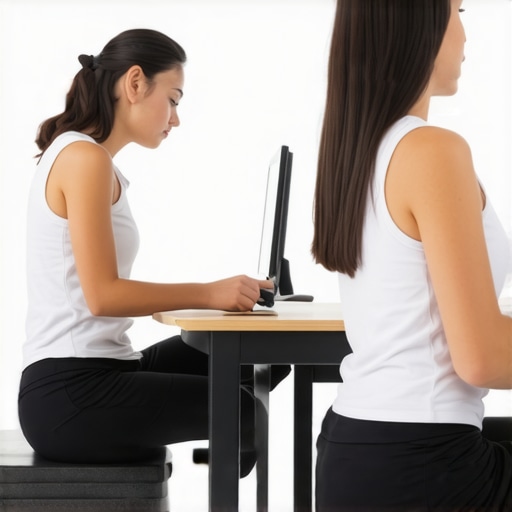
I used to dread sitting at my desk for hours, feeling that nagging tightness creep into my hips, especially after meetings or long emails. One afternoon, as I was stretching just to stand up without wincing, a lightbulb went off—I needed a quick, effective way to reset my hips. That moment sparked my journey into discovering the power of a simple 10-second hip reset, a routine I now swear by. If you’ve ever felt that stuck, stiff feeling after sitting all day, then you’ll want to stick around.
Why Sitting All Day Is Killing Your Hip Mobility—and How to Fix It
Let’s be honest: many of us spend most of our workday glued to a chair. We think a quick stretch here and there is enough, but the truth is, prolonged sitting depletes blood flow and causes tightness that can lead to pain and stiffness. I learned this the hard way—initially, I thought I just needed better ergonomic accessories or more frequent breaks. Turns out, I was missing the magic of a tiny, daily move that could literally reset my hips in seconds.
Irregular movement and poor posture during sitting hours can significantly reduce hip flexibility, which is often linked to lower back and sciatic discomfort. Recent studies indicate that just a few seconds of targeted movement can improve joint mobility and reduce pain symptoms (source: [Body Renew Therapy](https://bodyrenewtherapy.com/sciatica-relief-secrets-how-to-banish-pain-quickly-today)). But the challenge was: I didn’t know what to do or if it would actually make any difference.
My early mistakes included trying complicated stretches or investing in expensive gadgets. Neither worked in the long run. The real breakthrough came when I embraced a simple, time-efficient practice—the 10-second hip reset—that I could do anywhere, anytime. It’s helped me regain mobility, reduce pain, and feel more energized throughout the day. If this sounds familiar, and you’re tired of the stiff, achy feeling after sitting for hours, you’re in the right place. Today, I’ll walk you through this quick routine, which could be a game-changer for your daily comfort—and maybe even your long-term health.
Is This Really Worth the Hype? My Honest Take
I’ll admit, I was skeptical at first. I thought, “How can just ten seconds make any real difference?” I made the mistake of dismissing small habits as insignificant, until I experienced how dramatically my mood and mobility improved just by dedicating a few seconds. Trust me, this isn’t a gimmick. It’s a proven move that, when incorporated consistently, can prevent cumulative stiffness and discomfort. If you’re curious to learn the actual steps, I’ll show you how to integrate this quick reset into your routine—so stay tuned.
Get Comfortable Moving: The Basic Hip Reset Technique
One day, I was sitting at my desk feeling that familiar tightness, and I decided to try a quick hip movement. I crossed one ankle over the opposite knee, then gently leaned forward, holding the stretch for just 10 seconds. The first time, my hips felt a little freer almost immediately. This simple move can act like a reset button for your hips, releasing tension that builds up after hours of sitting.
Engage Your Core for Better Stability
Before you start the stretch, tighten your abdominal muscles as if drawing your belly button toward your spine. Think of it as bracing your core like a corset. This activation stabilizes your lower back and pelvis, allowing the hip movement to be more effective and preventing additional strain. I learned this technique when I accidentally strained my back trying to do too much too fast; the core engagement made all the difference in maintaining control.
Perform the Hip Flexor Release
Next, shift into a slight lunge position with one foot forward and the other knee on the ground. Gently tilt your hips forward until you feel a stretch in the front of your hip. Hold this position for 10 seconds, then switch legs. This stretch targets the often tight hip flexors that can cause anterior pelvic tilt, which is a common contributor to lower back pain. Incorporating this step was a game changer for me, especially after I noticed persistent tightness in my hips that affected my posture.
Use Diaphragmatic Breathing to Enhance Relaxation
While holding these stretches, breathe deeply into your belly—inhale for four seconds, then exhale slowly for six. This type of breathing helps activate your parasympathetic nervous system, promoting relaxation and making your muscles more pliable. I recommend doing this for a few seconds after each stretch, as I felt my body letting go of residual tension and becoming more receptive to movement.
Integrate Movement into Daily Routine
Set a timer to perform this sequence every few hours during your workday. Consistent practice turned my 10-second reset into a habit—something I did almost unconsciously. When I skipped a session, I felt stiffness creeping back in; it’s like cleaning a clogged drain—regular flow prevents buildup. The more I committed to this small routine, the easier it was to maintain hip mobility without spending extra time or effort.
Adjust and Progress with Variations
Once you get comfortable, try adding small movements—like gentle circles with your hips or leaning side to side—to deepen the release. Over time, these micro-adjustments can improve overall flexibility and reduce discomfort. Remember, progress is gradual; I started with just a few seconds, and now I can hold longer or perform more complex variations, all thanks to the foundation I built with that initial 10-second reset.
Many believe that persistent back, neck, or sciatica pain is solely about stretching or strengthening muscles, but this oversimplification often leads to ineffective treatments and frustration. One common myth is that pain always originates from a localized injury — however, recent research suggests that chronic discomfort usually involves complex neuromuscular and fascial patterns, not just isolated muscle issues. For instance, Dr. Sonya Sumba, a noted physical therapist, warns that focusing only on muscles can ignore underlying neural and connective tissue dysfunctions that perpetuate pain (source: [Body Renew Therapy](https://bodyrenewtherapy.com/unlocking-mobility-expert-tips-on-managing-back-pain-in-2025)).Another misconception is that pain relief requires aggressive, high-intensity exercises. While these might be beneficial in acute cases, for most, a gentle, mindful approach addressing fascia and nervous system health proves more sustainable. Many people also fall into the trap of believing that once pain subsides, the problem is fully resolved, but pain often signals maladaptive patterns that need ongoing management.
Why do so many advanced athletes and clinicians still chase flawed assumptions about mobility repair?
This question is vital because a superficial focus on flexibility and strength ignores the neurological and fascial contributions. For example, restricted neural mobility or fascia restrictions can limit joint movement far more than muscle tightness alone. Techniques like neural gliding or fascia release, supported by studies such as the one published in the Journal of Bodywork and Movement Therapies, show that addressing these areas often results in more durable relief than traditional stretching alone. Misinterpreting pain sources can lead to unnecessary invasive procedures or prolonged treatment cycles. To truly resolve chronic pain, incorporating a comprehensive approach that targets fascial health, neural mobility, and postural habits is essential—this is where expert guidance makes all the difference. Interested in exploring strategies to optimize your mobility? You might find valuable insights in our posts on back mobility tips or neck pain solutions. Don’t fall into the trap of simplistic fixes—your body’s complexity deserves nuanced, expert attention. If you’re ready to dig deeper, schedule a consultation through our contact page. Have you ever fallen into this trap? Let me know in the comments.Maintaining your mobility and managing pain isn’t a one-and-done effort; it requires the right tools and consistent practice. One essential device I personally rely on is a high-quality foam roller, like the TriggerPoint GRID foam roller. Its textured surface and firmness make targeted fascia release around my hips and lower back incredibly effective at reducing stiffness and improving circulation. Unlike generic foam rollers, this model’s design allows me to apply precise pressure, helping me avoid reliance on costly therapies.
Another tool I swear by is a versatile resistance band set. I use them for mobility drills and strengthening exercises that restore functional movement, particularly after periods of inactivity. These bands are compact, affordable, and enable me to perform a variety of movements that enhance flexibility and stability, especially for the hips and shoulders, which directly impact back and neck pain. Consistent use of resistance bands has significantly reduced my dependence on frequent physiotherapy sessions.
For software, I recommend an app like Sworkit or Daily Yoga. These platforms provide guided routines tailored for pain management and mobility improvement. I personally use these apps to structure my daily warm-up and recovery exercises, ensuring I don’t skip essential movements during busy days. They help me stay accountable and allow me to progress gradually without risking injury.
Looking ahead, the trend points toward integrating wearable technology—like motion sensors and smart devices—that monitor posture and movement patterns in real-time. These innovations will likely provide instant feedback, prompting immediate adjustments and fostering long-term habits.
What steps can you take to sustain your progress over months and years?
Regularly updating your toolkit is vital. Incorporate advanced techniques such as neural gliding exercises or fascia release routines, which can be guided by expert programs or physiotherapists. Incorporating tools like massage balls or percussion devices, such as the Theragun, can deepen muscle relaxation and reduce trigger points. Remember, consistency is key—pairing these tools with a mindful approach to daily movement ensures lasting benefits. For deeper insights on managing chronic pain with advanced tools, explore our resources on long-term mobility maintenance.
If you’re ready to take your mobility routine to the next level, I encourage you to try incorporating a foam roller with a targeted fascia release routine. Even just 5 minutes a few times a week can make a noticeable difference in stiffness and pain levels. Remember, the right tools tailored to your needs can empower you to stay active and pain-free for years to come.
What I Wish I Knew When I Started Reclaiming My Hip Mobility
One of the most eye-opening lessons I learned was that even small changes can create profound shifts in how my body feels. I used to think I needed elaborate routines or expensive gadgets, but discovering the power of quick resets taught me that simplicity often yields the best results. Trusting in the effectiveness of just 10 seconds of purposeful movement transformed my approach to managing back and neck discomfort, reminding me that patience and consistency are key. I also realized that listening to my body’s signals, rather than ignoring them in pursuit of perfection, made all the difference in my healing journey.
Tools That Keep My Mobility Strong Day-to-Day
Over time, I curated a set of tools that support my ongoing mobility. The TriggerPoint GRID foam roller is a cornerstone; its textured surface helps me target fascia issues that contribute to persistent pain. Resistance bands became my allies for gentle strengthening and flexibility exercises, fitting easily into my bag. I also rely on apps like Daily Yoga, which provide tailored routines that reinforce my routine and keep me motivated. Incorporating these tools into my daily routine has made continuous progress sustainable and enjoyable.
Your Next Step—Embrace Movement and Feel Reborn
The journey to better mobility and pain relief is uniquely yours, and every small effort counts. Remember, integrating that quick 10-second hip reset into your day can turn discomfort into ease—it’s a simple habit with powerful benefits. Take the time today to start small, stay consistent, and listen to your body’s needs. Your hips, back, and neck will thank you in the long run. Are you ready to make this tiny change and see how much it can improve your daily comfort?