
The 2-Minute Hip Reset for People Who Sit All Day
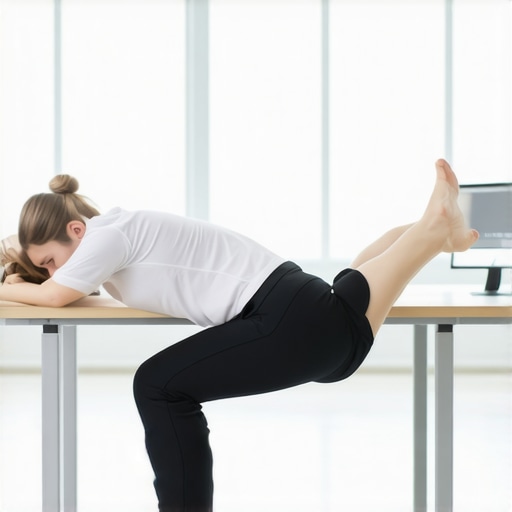
I remember the exact moment I realized my daily grind was taking a toll on my body. Sitting for hours at my desk, I’d feel that familiar tightness creeping into my hips and lower back. One day, I caught a glimpse of myself in a mirror post-work, and I looked downright stiff. That’s when it hit me—if I didn’t do something, this discomfort would only worsen, and my mobility might suffer permanently. I knew I wasn’t alone in this struggle. Many of us spend our days glued to chairs, oblivious to how it chips away at our movement and health.
Why Your Hips Are the Unsung Heroes of Back and Neck Comfort
Here’s the truth: our hips are responsible for more than just walking— they’re the foundation that supports our entire posture. When they become tight or immobile, other areas compensate, leading to pain in the lower back, hips, or even neck. I used to think that stretching my back or neck was the ultimate fix, but I overlooked my hips, which are often the real culprits behind chronic discomfort. This realization was a game-changer for me. It’s incredible how a simple, quick movement—like the 2-minute Hip Reset—can reset your entire body’s alignment and reduce pain significantly.
Is the 2-Minute Hip Reset Really Worth the Hype?
Early on, I made the mistake of dismissing quick fixes as gimmicks. I believed lasting relief required complex routines or expensive therapies. But I learned that it’s often the simplest habits, done consistently, that make the biggest difference. If you’re skeptical, you’re not alone. I was too—until I experienced that lightbulb moment myself. Small, intentional movements can improve your mobility, reduce discomfort, and even boost your mood. But don’t just take my word for it. Scientific studies support the idea that short, targeted exercises can have meaningful benefits for those who sit most of their day. For example, a 2024 study highlights how consistent hip mobility exercises can alleviate lower back pain effectively (source).
So, have you ever felt that dull ache or sharp pain after sitting for a long meeting or working through your Netflix binge? If so, know that there’s a quick fix—you just need to know how to do it right. That’s exactly what I’m here to share with you. Let’s explore how a couple of minutes each day can liberate you from the trap of sitting-related pain and start transforming your mobility.
,
How to Unlock Your Hips for Lasting Relief
Start by lying on your back and bringing one knee toward your chest, gently pulling with your hands. Imagine trying to open a stubborn door—your hip is the hinge, and this movement loosens it up. This is the foundational hip flexor stretch. I tried this during a hectic morning after a weekend of sitting through meetings. Initially, my movement was awkward, and I felt like I was barely stretching, but within a few days, I noticed a decrease in lower back tension.
Steady Lateral Movements Keep the Hinge Lubricated
Next, perform seated or standing leg swings side to side. Think of your hips as two door pivots—these swings act as lubricant, preventing stiffness. I added this into my daily routine as I watched TV, swinging each leg for a minute. The result was smoother motion and less pain after prolonged sitting. For comprehensive guidance, consider exploring strategies at this resource.
Address Tight Fascia with Dynamic Hip Rotations
Stand with feet shoulder-width apart, lift one knee, and rotate your thigh outward and inward. Picture turning a steering wheel—this encourages full range of motion. When I first tried this, my balance wobbled, and I felt a bit clumsy, but over time, it helped my hips move more freely and eased my sciatica symptoms. Incorporate this movement into your day, especially if you notice persistent stiffness. For targeted relief, learn more at this article.
Deepen Your Release with Foam Rolling
Using a foam roller along the front of your hips or thigh muscles applies pressure to tight tissues, breaking up adhesions. Think of it as deep cleaning your mechanical parts. I once skipped this step, and my soreness persisted, but after dedicating a few minutes post-exercise, my mobility improved notably. Remember, gentle pressure is key—don’t press so hard you cause pain. For techniques that maximize this method, check out this guide.
Stay Consistent and Modify as Needed
Complete these exercises daily or at least every other day. Treat your hips like a hinge on a gate—you want it to open smoothly without rust. During my first week, I felt sore and uncoordinated, but I adjusted by reducing the repetition. Progressively, my pain diminished, and my posture improved. Listening to your body is critical—if an exercise causes pain beyond typical discomfort, modify or skip it. The goal is steady improvement, not instant perfection.
Many individuals believe that addressing mobility, sciatica, neck pain, or back pain is simply about stretching or strengthening certain muscles. However, what often gets misunderstood is the nuanced relationship between movement patterns, fascia health, and subconscious habits. It’s not just about isolated exercises; instead, it’s about understanding how complex systems within our bodies interact and sometimes misfire, leading to persistent pain.
One common myth is that pain stems solely from tight muscles needing to be stretched. While tightness can be a factor, recent research indicates that it may actually be a protective response by the nervous system, shielding vulnerable tissues from further damage. This means that aggressive stretching without proper diagnosis can sometimes worsen the problem, especially if underlying tissue health or nerve sensitivity isn’t addressed (source).
Furthermore, many overlook the critical role of fascia—the connective tissue that envelops muscles and organs. Fascia can become adhesed and dehydrated, creating restriction that traditional muscle-focused exercises don’t resolve. Dynamic fascial releases or targeted foam rolling can make a profound difference in restoring optimal movement, but they’re often sidelined in standard routines.
Are You Reinforcing the Problem Without Realizing It?
Here’s the oops moment: habits like habitual poor posture, over-reliance on certain pillows, or even subconscious muscle guarding can entrench pain patterns. For example, sleeping on a pillow that induces neck misalignment might seem benign, but over time, it can solidify a cycle of tension and discomfort (see how stress impacts neck pain). Addressing the pain effectively requires more than symptom management; it demands a conscious unraveling of these ingrained behaviors.
Another advanced nuance is the significance of movement variability. The body adapts best when it experiences a variety of motions and positions. Repetitive patterns, like always sitting cross-legged or maintaining the same sleeping posture, can lead to imbalanced strain distribution, perpetuating pain. Incorporating diverse movement and postural variety prevents the body from settling into maladaptive habits.
Recognizing when pain is a warning sign of deeper issues is crucial. For example, pain accompanied by numbness, weakness, or sudden onset may indicate nerve impingement requiring professional assessment (learn the difference here). Ignoring these signs can lead to chronic conditions or irreversible damage.
In summary, breaking free from the misconceptions about mobility and pain management involves embracing the complexity of bodily systems and addressing the root causes, not just the symptoms. Small adjustments in habits, fascia health, and awareness can pave the way for lasting relief. Have you ever fallen into this trap? Let me know in the comments.
,Maintaining your mobility and managing chronic pain like sciatica, neck, or back issues isn’t a one-time effort—it requires consistent, targeted tools to support your progress. Over the years, I’ve refined my toolkit to include equipment and methods that deliver real results. One essential tool I swear by is a high-density foam roller. Unlike softer rollers, its firmness helps break up fascia adhesions more effectively, making my deep tissue releases more impactful. I dedicate a few minutes daily to rolling along my hips, thighs, and back, which keeps my tissues flexible and reduces stiffness. For visual guidance, check out my recommended technique at this resource. Another game-changer is a balance stability cushion. Sitting or standing on it challenges your core muscles, promoting better posture and spinal support, which is crucial for long-term health. I incorporate it during work breaks to engage stabilizers without overdoing it, helping prevent postural imbalances that aggravate pain. Technological tools can also be powerful allies. I use biofeedback devices that monitor my posture during daily activities, alerting me to slouching tendencies that contribute to nerve compression over time. These devices have become indispensable, especially during work-from-home days. Predicting future trends, I believe that integrating smart, AI-powered movement trackers will become mainstream, offering personalized feedback based on your body’s needs. To stay ahead, try using a simple foam roller daily—they’re affordable, versatile, and proven to support fascia health and mobility. Remember, the key to sustaining improvements is consistency. Incorporate these tools into your routine, and you’ll notice gradual, lasting benefits. Want more personalized recommendations? Consider consulting an expert to tailor a plan that fits your specific needs, ensuring sustainable mobility and pain management.
The Hardest Lesson I Learnt About Mobility and Pain
I used to believe that pain was something I just had to live with, accepting it as an unavoidable part of aging or a stressful lifestyle. It wasn’t until I experienced a sudden flare-up that I realized ignoring subtle signs only led to more suffering. That moment taught me to listen more carefully to my body and prioritize consistent mobility practices over quick fixes.
Why I Stopped Relying on Magic Pills and Instant Solutions
Early in my journey, I was swayed by promises of instant relief—pills, expensive therapy sessions, and trendy gadgets. However, I discovered that genuine, lasting change required understanding the root causes—like fascia health and movement patterns—rather than masking symptoms temporarily. Regular, targeted exercises became my trusted allies, reinforcing the importance of patience and persistence.
The Surprising Power of Small, Daily Adjustments
One breakthrough was realizing that dedicating just a few minutes each day to specific hip mobility drills dramatically transformed how I moved and felt. What once seemed insignificant compounded into substantial relief over time. It made me appreciate the value of consistency and how tiny habits can reshape overall well-being, especially in managing chronic pain.
My Biggest Mistake: Overcomplicating Simple Solutions
I often thought complex routines or advanced techniques were necessary to fix my pain. But I learned that overcomplication can hinder progress and lead to frustration. Embracing simple movements—like the 2-minute Hip Reset or foam rolling routines—proved to be more effective. Sometimes, the simplest approach is genuinely the most powerful.
Curated Tools That Changed My Approach to Recovery
From high-density foam rollers to balance cushions, I’ve built a toolkit rooted in practicality and science. These tools helped me target fascia restrictions and activate stabilizer muscles without overwhelming my schedule. For personalized results, exploring resources like this guide offered invaluable insights that elevated my journey towards mobility.
Embrace Your Path and Keep Moving Forward
The road to pain-free movement is personal, and setbacks are part of the process. I encourage you to experiment with what works for your body, stay consistent, and celebrate small victories along the way. Remember, every effort you make today lays the foundation for a healthier, more mobile tomorrow. Have you experienced a moment where simple movement made a big difference? Share below—your story might inspire someone else to take that first step.