I remember the moment vividly—sitting on my couch, clutching my lower back, frustration boiling over. After months of persistent sciatic nerve pain, I felt like I’d tried every trick in the book, yet nothing provided lasting relief. That was until I discovered the game-changing ‘Hip Hinge’ technique. Suddenly, everything clicked. If you’ve ever experienced that sharp, shooting pain down your leg, you know how it can turn your everyday life upside down.
The Real Reason Sciatica Won’t Just Go Away
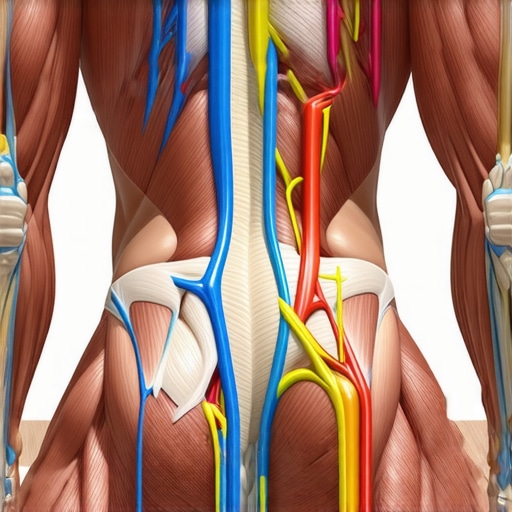
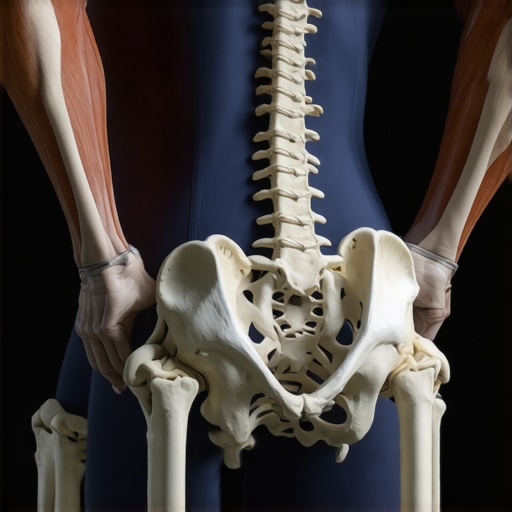
Sciatica isn’t just about a pinched nerve or muscle strain; it’s often a sign that something more fundamental is misaligned—literally. The typical approaches, like stretching or medication, sometimes mask symptoms instead of fixing the root cause. What truly changed my outlook was understanding the power of controlled movement—specifically, mastering the ‘Hip Hinge.’ This move is not some fad but a proven way to restore proper pelvis and spine function, cutting through the noise of fleeting fixes.
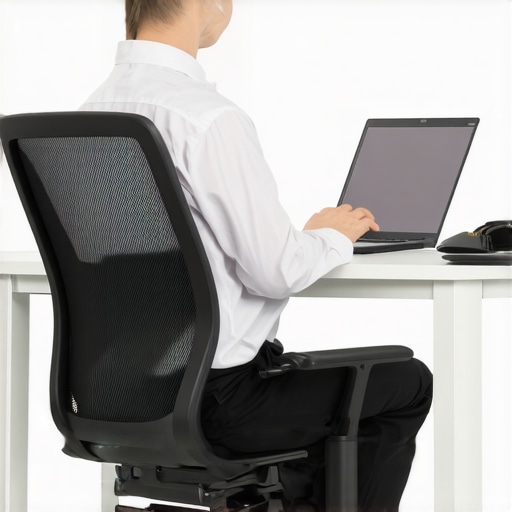
Early on, I made a critical mistake: I believed that ignoring my posture and continuing my sedentary office routine wouldn’t impact my sciatic pain. I was wrong. According to a study published by the National Institute of Neurological Disorders and Stroke, poor posture can significantly increase the risk of nerve compression, worsening sciatic symptoms. It’s shocking how much of our daily habits can silently sabotage our back health.
The Biggest Skepticism
Many folks worry that these types of movements won’t work or might even worsen their pain. Believe me, I was one of them. I thought my sciatic pain was too stubborn for simple techniques. But I learned that executing the ‘Hip Hinge’ properly, combined with specific mobility exercises, offers rapid relief. I had to learn the hard way that not all advice is equal—without proper guidance, it’s easy to slip into faulty form or overdo it, which can make things worse. For trustworthy, expert strategies, check out resources like this article on relieving sciatica.
So, if you’ve faced mornings with numbness or walking with that agonizing pinch, know that solutions exist—ones that don’t rely on endless medications or invasive procedures. In the next sections, I’ll share step-by-step insights into the 2026 ‘Hip Hinge’ method that finally freed me from that relentless pain and can do the same for you. Ready to reclaim your mobility?
,
Start with the Basic Hip Hinge Drill
Begin by practicing the hip hinge against a sturdy surface like a countertop or the back of a chair. Stand with feet hip-width apart, toes pointing forward. Slightly bend the knees while maintaining a straight back, then hinge at the hips, pushing your butt backward as if closing a car door. This movement isolates the hips from the spine, reducing strain and promoting proper mobility. I once set up a broomstick along my spine—tipping it forward or back helped me find the right hinge without rounding my shoulders or arching my back excessively.
Focus on Engaging Core Muscles
As you perform the hinge, tighten your abdominal muscles. Imagine drawing your belly button towards your spine. This bracing helps stabilize your pelvis and prevents lower back strain. During my first few sessions, I noticed that without core engagement, my lower back would cave in, increasing discomfort. Contracting my abs was the difference between a smooth hinge and aggravating my sciatica.
Gradually Increase Range of Motion
Once comfortable, slowly push your hips further back, mimicking the motion of an elegant bow. Keep your back flat and shoulders relaxed. Use a mirror for feedback or record yourself to correct posture. I initially over-arched my lower back, creating more pressure, but with mindful practice, I learned to hinge without losing spinal neutrality. Consistent execution enhances mobility over time, as shown in [this mobility mastery guide](https://bodyrenewtherapy.com/mobility-mastery-daily-tips-to-keep-your-spine-and-joints-healthy).
Incorporate Dynamic Movements into Daily Routine
Practice this hinge multiple times daily—morning, midday, evening. Transition smoothly between standing and hinged positions, aiming for 10-15 repetitions per session. If your hips feel tight, add gentle mobility stretches like hip circles or lunges to loosen up the joint. I found that pairing the hinge with a short walk around my house helped integrate the movement into my day, significantly reducing sciatic symptoms. For more mobility exercises, visit [this article](https://bodyrenewtherapy.com/boost-your-back-mobility-simple-exercises-that-make-a-difference).
Refine Your Technique with Expert Feedback
If possible, work with a physical therapist or a knowledgeable trainer. They can observe your form and suggest adjustments, ensuring safe practice. I struggled initially with maintaining a flat back, but a quick session with a professional corrected my posture. This step prevents faulty movement patterns that can exacerbate nerve irritation. For trusted guidance, check out [this resource](https://bodyrenewtherapy.com/unlocking-sciatica-relief-expert-strategies-for-lasting-comfort).
Integrate Dynamic and Static Holds
Once proficient, add static holds at the hinge’s maximal range for 20-30 seconds to deepen mobility. Follow with controlled returns to the start. This builds strength and endurance in hip muscles, which are crucial for supporting healthy movement patterns. Remember, patience is key—progress may be gradual but consistent action leads to lasting relief. To deepen your understanding, explore [this in-depth tutorial](https://bodyrenewtherapy.com/3-hip-stability-moves-to-calm-2026-sciatica-fast).
Most people clinging to common beliefs about back pain and mobility often miss critical details that can make or break their recovery. A prevalent misconception is that pain is solely a matter of muscle strain or a pinched nerve. While these play roles, they overlook the complex interplay of posture, movement patterns, and neurological factors. For instance, many assume that stretching always relieves tightness, but overzealous or improper stretching can exacerbate issues by further destabilizing the tissue and amplifying pain signals.
Are You Missing the Symptom Behind the Symptom
One subtle but vital nuance is understanding the difference between local pain and referred pain. Often, patients focus on the site of discomfort—like the lower back or neck—when in fact, the root issue may originate elsewhere, such as the hips or shoulders. Ignoring these interconnected areas can lead to persistent pain despite diligent stretching or strengthening. External research supports this interconnected approach; a 2022 study published in the Journal of Bodywork and Movement Therapies highlights how addressing global movement compensations yields better outcomes than isolated treatments.
Another common trap involves the belief that static stretching is sufficient. In reality, integrating dynamic movements and mobility exercises that mimic real-life activity patterns are more effective in restoring functional stability. Static stretches alone may increase flexibility but fail to improve motor control, which is crucial for injury prevention and pain reduction.
Furthermore, many overlook the importance of neural tension and its role in pain perception. The nervous system’s sensitivity can amplify pain signals, making even minor tissue irritation feel debilitating. Techniques that desensitize neural structures, like nerve flossing or controlled mobilizations, are often underutilized yet highly effective.
It’s tempting to think that pain is purely mechanical; however, the brain’s perception of threat influences pain levels profoundly. Chronic pain can persist even after the tissue has healed due to central sensitization, where the nervous system becomes overresponsive. Strategies like mindfulness, proper sleep, and stress management complement physical techniques to address this aspect.
Ignoring these nuances—like the interconnectedness of body regions or the role of the nervous system—often prolongs recovery. Instead, adopting a comprehensive approach that includes posture correction, movement refinement, and mind-body awareness can lead to lasting relief. For more insights into avoiding common pitfalls, visit this guide on identifying severe symptoms.
Have you ever fallen into this trap of oversimplifying your pain? Let me know in the comments, and let’s keep the conversation going.
Invest in the Right Equipment to Maintain Your Progress
Maintaining mobility and alleviating pain isn’t a one-time effort; it requires dedicated tools that support your ongoing journey. One piece of equipment I swear by is a high-quality foam roller. I personally use a dense foam roller for my thoracic spine and glutes because it helps release tension deep within muscles, preventing stiffness from creeping back. Unlike softer rollers, a firm roller provides the necessary feedback to effectively break up adhesions, ensuring my mobility exercises stay effective over the long haul.
Another essential item is a set of resistance bands, especially loop bands. I incorporate them into my routine for hip abduction and glute activation, crucial movements that stabilize my pelvis and protect against sciatic flare-ups. The portability and affordability of these bands make them ideal for daily use — I do quick activation drills during breaks to keep my hips mobile and prevent relapse.
Why a reliable mobility app is worth considering
I leverage a mobility-focused app that guides me through daily stretching routines. Unlike generic programs, I look for one that adapts to my progress, providing reminders and tracking improvements. This personalized approach keeps me accountable and ensures I don’t skip vital exercises. I recommend checking out apps that offer video demonstrations to ensure correct form, which is critical for preventing injury and reinforcing good patterns. As an added bonus, some apps include neural mobilization routines — a game-changer for neural tension-related pain, which often accompanies sciatic symptoms.
For those working at desks or computers, ergonomic accessories are indispensable. An adjustable standing desk allows me to alternate positions throughout the day, helping me avoid prolonged static postures that worsen neck and back strain. I personally use a sit-stand converter that easily adjusts height, enabling me to switch from sitting to standing in seconds, effectively reducing stiffness and reducing neural discomfort. Coupling this with an ergonomic chair designed for lumbar support keeps my spine aligned during long work sessions.
How do I keep my mobility tools effective over time?
Consistency is key. Regularly clean and inspect your tools — for example, replacing foam rollers if they lose their firmness or unwinding worn resistance bands. Also, stay updated on latest research and advice from trusted sources like this expert guide on sciatica relief. Supplement your tools with periodic check-ins from a physical therapist to ensure your approach remains aligned with your evolving needs. Looking ahead, I predict that smart, app-integrated mobility devices will become more popular, offering real-time feedback to optimize your exercises, similar to wearable tech used for injury prevention.
One advanced move I recommend trying is using a nerve flossing routine with a resistance band to gently mobilize the sciatic nerve, helping desensitize neural pathways. It’s a simple yet powerful addition to your toolbox that can prevent flare-ups and keep your mobility on track.
Enhance your recovery by integrating these tools into your daily habits, and you’ll set yourself up for sustained results — because consistent action beats quick fixes every time. For a comprehensive list of effective techniques, visit this resource.
Throughout my journey to overcome sciatic pain, I encountered several eye-opening truths that reshaped my approach. One of the most profound lessons was realizing that quick fixes often hide deeper issues—like poor posture or faulty movement patterns—that continually sabotage recovery. I learned that persistent pain isn’t just a mechanical problem but a signal from your nervous system asking for a more comprehensive, mindful strategy. Another insight was the power of consistency; small daily practices, like mastering the hip hinge, compound over time and lead to transformative results. Lastly, I discovered that investing in proper equipment and expert guidance isn’t a sign of weakness but a smart step toward sustainable mobility and relief.