
The 3-Minute Wall Drill for Instantly Better Shoulder Mobility
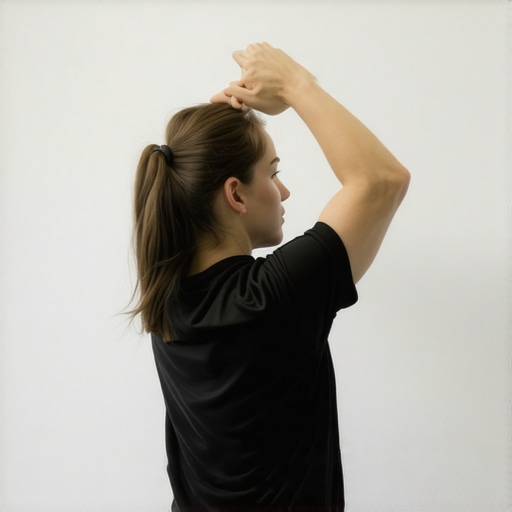
I remember the first time I tried to reach overhead, only to be thwarted by a stiff, uncomfortable shoulder. It was frustrating—like trying to open a stubborn jar with weak wrists. That lightbulb moment hit me hard: my mobility was holding me back, and I hadn’t even realized it. Maybe you’ve felt that tightness creeping in after a long day or an awkward sleep position, making simple tasks feel like a workout.
If so, you’re not alone. Many people dismiss minor stiffness or discomfort, thinking it’ll just go away. But slow progress can lead to bigger issues over time, including reduced range of motion, pain, and even injury. I’ve discovered that dedicating just a few minutes—specifically, three!—each day to a simple wall drill can make an astonishing difference. Yes, just three minutes. It’s quick, accessible, and surprisingly effective.
Today, I’ll show you how this powerful little routine can help you unlock your shoulder mobility fast, so you can move freely and confidently again. Whether you’re an athlete, a desk worker, or someone dealing with chronic stiffness, this could be the game-changer you’ve been searching for.
Why Shoulder Mobility Matters More Than You Think
Our shoulders are incredible joints—designed for versatility, reaching, lifting, and more. But because of their extensive range, they’re also prone to tightness and dysfunction if we neglect them. Poor shoulder mobility doesn’t just impact your ability to throw or lift; it can ripple into neck tension, back pain, and even headaches. In fact, limited shoulder movement often signifies deeper issues in posture and movement habits.
When I first learned about the 3-minute wall drill, I was skeptical. I thought, ‘How could a quick stretch possibly deliver meaningful change?’ Turns out, I was making a common mistake early on—thinking that only intense, lengthy workouts could improve mobility. But this simple movement, performed regularly, trains your nervous system and muscles to loosen up, restoring that much-needed freedom.
And don’t just take my word for it: experts emphasize that targeted mobility drills can prevent injury and enhance quality of life. One study even highlights that short, consistent movement practices outperform sporadic, intense sessions for improving joint health. Intrigued? Keep reading. You’ll learn exactly how to perform this effective drill and start feeling the difference.
If shoulder stiffness or pain has been your silent enemy, ask yourself—have you experienced this struggle? If so, you’re in the right place. Let’s get started on transforming your mobility—fast.
Position Yourself Correctly
Stand with your back flat against a wall, heels about six inches away from the base. Lift your arms to form a 90-degree angle at the elbows and place your forearms against the wall. This position approximates a goalpost shape. When I first attempted this, I struggled to keep my elbows and wrists flat against the wall, but with patience, I learned to adjust my stance until I felt the stretch in my shoulders. Ensuring your entire back, including your lower back, contacts the wall is essential for effective mobilization.
Perform Slow, Controlled Movements
Gently raise your hands overhead, keeping your elbows and wrists pressed against the wall. Don’t rush; move slowly to maintain control and maximum engagement of your shoulder muscles. I remember the first time I tried this, I felt a noticeable stretch in my upper back and shoulders, despite some initial discomfort. As I repeated, my range of motion gradually improved. Focus on smooth, controlled motions to avoid engaging unnecessary muscles or risking strain.
Incorporate Repetition and Consistency
Repeat the movement 10-15 times, pausing briefly at the top of the motion. Aim to perform this routine at least once daily. I found that consistency was key—skipping days limited my progress. Over a couple of weeks, I noticed increased shoulder flexibility and less stiffness after long days or sleep. Embedding this habit into your daily routine can dramatically accelerate your mobility gains.
Account for Common Mistakes
Watch out for arching your back or shrugging your shoulders during the lift—these habits reduce effectiveness and may cause injury. As I learned, engaging your core can help maintain proper posture throughout the movement, ensuring all focus remains on the shoulders. If discomfort persists or if your range of motion does not improve, consider consulting a professional to rule out deeper underlying issues. You might also find it helpful to explore related topics like neck pain and stress techniques or sciatica relief strategies for overall mobility support.Many individuals believe that persistent pain or stiffness is simply a result of aging or overuse. However, a nuanced understanding reveals that often, we are misinterpreting the underlying causes, leading to ineffective treatments. For instance, common myths like “pain is always a sign of damage” overlook the role of neural hypersensitivity—a phenomenon where pain persists even after tissue healing, as supported by studies from the International Association for the Study of Pain. This can trap patients into endless cycles of medication or passive therapy, neglecting active mobilization strategies that address the nervous system’s role. Additionally, many overlook how poor posture habits can chronically irritate nerves, exacerbating conditions like sciatica or neck tension, which cannot be fully resolved without correcting these habits. For example, prolonged slouching or improper ergonomic setups continue to stress nerves and muscles, making the pain resistant to simple stretches. An advanced mistake I see repeatedly is the reliance on aggressive stretching without considering nerve gliding techniques or joint mobilization. In the context of sciatic pain, traditional stretching can sometimes worsen symptoms if the nerve pathways are not appropriately mobilized first—highlighted by recent rehabilitative research.
Why Do Some Mobility Exercises Fail and What Can Be Done About It?
Most people think that performing more repetitions will yield faster results. In reality, overly aggressive or unrefined mobility routines can cause microtrauma, leading to increased inflammation and stiffness. It’s crucial to focus on controlled, tissue-specific movements that respect the body’s healing timeline. For example, integrating nerve gliding exercises, as discussed in our expert strategies, can promote nerve mobility and reduce irritation. Recognizing these nuances gives you a significant advantage over generic stretching or strengthening approaches. Remember, your body’s response is unique—what works for one person may be detrimental for another. Consulting with a professional can help identify if your pain is linked to nerve impingement, joint restrictions, or muscular imbalance, all of which require tailored intervention. To protect yourself from common pitfalls, be cautious with high-velocity stretches and always prioritize controlled, pain-free movements. Want to learn more about correcting misconceptions? Visit our contact page for personalized advice. Have you ever fallen into this trap? Let me know in the comments.Once you’ve made significant strides in improving your mobility and reducing pain, the challenge shifts to **keeping these gains over time**. Incorporating the right tools and habits can ensure lasting results and help you avoid setbacks. A key aspect is selecting equipment that supports proper posture and movement, such as ergonomic furniture and supportive footwear. For example, I personally use an adjustable standing desk and a lumbar support pillow, which promote better spinal alignment during work hours, helping to prevent days of stiffness and discomfort.
Mobility-specific tools like foam rollers and massage balls are invaluable for maintenance. I’ve found a high-density foam roller particularly effective in releasing tight hip flexors and back muscles after workouts or long periods of sitting. Regular self-myofascial release sessions with these tools can keep muscles pliable, reducing the likelihood of chronic pain. Remember, consistency is crucial—making these routines part of your daily schedule helps cement long-term health benefits.
Additionally, leveraging software or apps designed for movement reminders can be a game-changer. For instance, I set hourly alerts on my phone prompting me to stand, stretch, or perform a quick mobility drill. This habit prevents me from falling into the trap of prolonged sitting, which can undo all my hard work.
Looking ahead, the trend in mobility maintenance is shifting towards smarter technology. Wearable devices capable of tracking posture and movement patterns are becoming more sophisticated, offering real-time feedback and personalized recommendations. As this technology advances, expect even more tailored and effective strategies for maintaining mobility, regardless of age or activity level.
**How do I sustain my improvements over time?** Regularly review and adjust your routines, ensuring they evolve with your needs. Incorporate tools like foam rollers or massage balls into your daily habits, and stay mindful of your posture throughout the day. Practicing consistent mobility drills, supported by ergonomic work setups and supportive footwear, helps reinforce your progress and prevents regression. For more targeted advice on back health, check out our article on simple exercises to enhance your back mobility. If you’re experiencing persistent issues or want a personalized plan, don’t hesitate to reach out to a professional. One advanced tip worth trying now: integrate nerve gliding exercises into your daily routine to keep your nerves from becoming stiff, especially if you’ve dealt with sciatica or nerve-related discomfort. This proactive approach can preserve mobility and reduce flare-ups, making your movements smoother and pain-free for years to come.Throughout my journey to better shoulder mobility, I’ve learned that the most profound insights often come from our own experiences and mistakes. One lesson that stands out is the danger of neglecting neural pathways during recovery. I used to focus solely on stretching and strengthening, but I overlooked how nerves can become stiff and contribute to persistent pain. Recognizing the importance of nerve gliding techniques, especially for sciatica and neck pain, transformed my approach and sped up my recovery. Another eye-opening realization was that consistency, even with just three minutes daily, can outperform sporadic, intense workouts in fostering true mobility. This shift in perspective taught me that sustainable change doesn’t require hours—just intention and persistence. Lastly, I uncovered that many common habits, from poor ergonomic setups to tight footwear, silently sabotage progress. Paying attention to these details and integrating small adjustments made a huge difference in my long-term results.