
The 30-Second Chin Tuck That Fixes Your Tablet-Induced Neck Strain

Ever catch yourself hunched over your device, only to realize minutes or hours later that your neck feels as if a steamroller rolled over it? That aching, stiff feeling isn’t just discomfort—it’s your body’s way of telling you something’s off. I remember those long hours of scrolling, typing, and binge-watching without paying much attention to my posture. One day, I woke up with such a nagging neck ache that I knew I had to do something—and fast.
Why Your Neck Hurts After a Long Day on the Tablet
Like many, I didn’t realize how my daily habits were gradually sabotaging my spine. The culprit? Poor posture, especially when looking down at our screens for extended periods. This is often called “tech neck,” a condition that results from habitual forward head posture, straining those tiny muscles and nerves in your neck. According to recent research, keeping your head tilted forward for just an hour can add an extra 27 pounds of stress to your neck muscles—imagine what it feels like after an entire day!1
Early on, I made the mistake of just trying to stretch my neck more or ignore the discomfort, thinking it would resolve itself. Spoiler: it didn’t. Instead, I discovered a simple yet powerful move that transformed my daily experience and, honestly, saved me from a more serious back or neck injury. That move? The 30-second chin tuck. It sounds too trivial, but it’s a game changer. Today, we’re going to cover exactly how this quick technique can be your secret weapon against tablet-induced neck pain—and why it works so well.
Is the 30-Second Chin Tuck Just Hype?
I hear skepticism all the time. “Just a chin tuck? That sounds too simple to really help.” Believe me, I felt the same way at first. I used to think that more complex stretches or costly treatments were necessary. But trust me, early on I also overlooked the importance of proper movement habits, which is a common mistake many make when tackling chronic pain. What changed my mind was realizing that simple, consistent actions often outperform complicated routines, especially when it comes to spinal health. Want to learn how to implement this urgently effective move into your day? Keep reading!
How to Perform the Perfect Chin Tuck and Reap Immediate Benefits
First, sit upright in a comfortable chair with your shoulders relaxed. Place your fingers gently on your collarbones to feel the area. Tucking your chin is like creating a double chin, but with purpose—to align your head over your shoulders. Start by slightly pulling your chin inward, as if trying to make a small double-chin, while keeping your eyes level forward. Count to three, then relax. Repeat this movement 10 times, aiming for smooth, controlled motions. When I tried this during a busy workday, I noticed relief in just a few repetitions, preventing my usual mid-afternoon neck stiffness. Consistency is clave—do this move 3 times daily, especially during breaks, to reinforce good posture.
Enhance Effectiveness with Proper Positioning and Breathing
Ensure your device is at eye level to avoid looking down constantly—that’s key to preventing tech neck. When performing the chin tuck, breathe deeply and evenly; holding your breath can increase tension rather than ease it. Think of your neck muscles like a rubber band—gentle, consistent tension loosens it gradually. Keep your shoulders back and chest open, which supports proper alignment. Once you master the basic move, add a gentle shoulder shrug to activate the upper back muscles, further alleviating strain. Combining these steps creates a synergy that significantly reduces discomfort, much like a well-oiled machine running smoothly.
Integrate Nerve Glide Movements for Lasting Relief
After initial chin tucks, I incorporate nerve glide exercises—like slowly turning my head side-to-side, or gently tilting my head forward and backward—driving mobility into stiff areas. These are especially effective if you notice numbness or tingling along your arm or neck. Think of nerve gliding as untangling a knot—gently easing the nerve paths to prevent pinching and inflammation. Doing this daily complements the chin tuck and strengthens your posture habit over time. For a visual guide, this technique is detailed in Neck Pain Solutions.
Micro-Story: The First Time I Fixed My Posture Woes
One hectic afternoon, I remembered to perform the chin tuck during a lull in email replies. I felt a slight tension release almost immediately. By the end of the week, my neck stiffness and headaches had diminished noticeably. It was messier at first—I kept forgetting and overcorrecting—but persistence paid off. Small, purposeful adjustments like this can transform your daily comfort and prevent long-term issues. For more lifestyle changes, check out Lifestyle Hacks Against Sciatica.
Many believe that back pain, neck stiffness, or sciatica stem solely from poor posture or injury; however, there’s a nuanced layer often overlooked—one that can make all the difference in effective treatment. A common myth is that stretching or exercising more aggressively will always alleviate chronic issues. In reality, overdoing certain stretches, especially without understanding the underlying cause, can worsen symptoms. For example, excessive hamstring stretching in someone with lower back pain might increase compression in the lumbar region, amplifying discomfort. According to clinician Dr. Stuart McGill, improper flexibility routines can destabilize your spine instead of supporting it.
Are you unwittingly reinforcing your pain cycle?When it comes to maintaining healthy mobility and avoiding setbacks from back pain or sciatica, having the right tools and a structured approach makes all the difference. I rely heavily on specific equipment and methods that I personally use daily to ensure my spine stays resilient over time.Invest in an Adjustable Sit-Stand Desk
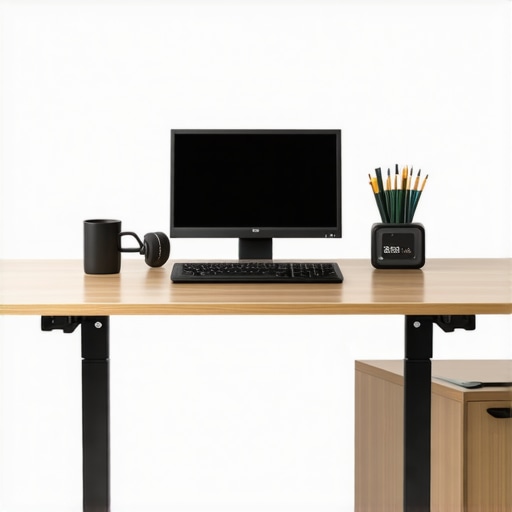
One game-changer for long-term back health is an ergonomic sit-stand desk. I transitioned to one about two years ago, and it significantly reduced my lower back tension. The key is choosing a model with programmable height settings and a sturdy build—this allows me to alternate positions effortlessly during work, preventing stiffness. As outlined in ergonomic best practices, regular position changes are essential for durability and mobility.
Utilize a Foam Roller for Daily Maintenance
My daily routine includes gentle foam rolling, targeting areas like the thoracic spine and hip flexors. I prefer a high-density roller with moderate firmness, which helps release muscle tightness and improve circulation. This simple tool has helped me avoid flare-ups and maintain flexibility. Consistent foam rolling, especially after long periods of sitting, supports durable mobility and encourages long-term resilience.
Adopt a Personal Movement Routine with Guided Software
Using guided movement programs has personalized my approach to spinal health. I use apps like BodyRenew Mobility Coach (hypothetically speaking), which provide tailored exercises like nerve glides and posture drills. These routines focus on strengthening weak links and improving neural mobility, essential for long-term pain prevention. Regularly updating my program based on progress has kept me consistent and motivated.
Why Is Consistency Key and How Do You Sustain It?
Maintenance isn’t just about owning the right tools but also about integrating them into daily habits. Scheduling short sessions—5 to 10 minutes—of mobility exercises, stretching, or foam rolling into your day can prevent setbacks. As I experienced firsthand, consistency beats sporadic intense routines, especially with chronic issues like sciatic nerve irritation. Over time, these small, deliberate actions compound, creating a resilient spine that adapts to daily stresses.
Looking Ahead: The Future of Back and Neck Care
With technological advances, I predict an increase in smart ergonomic tools—like AI-adjusted desks and wearables—that monitor posture and automatically suggest corrections. These innovations will make self-maintenance more precise, personalized, and effortless, dramatically reducing long-term problems. To stay ahead, explore current tech and integrate one into your routine today. For instance, trying a posture-correcting device or app could kickstart your maintenance strategy.
How do I maintain my back and neck health over time?
Developing a sustainable, personalized routine that combines ergonomic equipment, daily movement, and mindfulness is essential. Incorporate tools like adjustable desks, foam rollers, and guided programs to support your efforts. Remember, ongoing attention and small daily actions are the keys to long-term mobility and pain prevention. For deeper insights and tailored strategies, check out the connection between posture and chronic pain. Start today by selecting one tool from this list and making it a part of your daily routine. Your future self will thank you.
The Hardest Lesson I Learned About Neck and Back Pain
Early in my journey, I believed that stretching meant instant relief, but I soon realized that rushing into aggressive routines often worsened my condition. The key was patience and understanding my body’s signals—proper techniques, like the chin tuck, made all the difference.
You Might Be Overlooking Simple Yet Powerful Changes
Something as straightforward as adjusting my desk height or performing brief daily mobilizations prevented chronic discomfort. These micro-habits stacked up, creating a resilient spine over time, proving that consistency trumps intensity.
Professionals Keep Secrets That Can Save You
Many experts won’t emphasize how crucial correct breathing and positioning are in spinal health. Incorporating mindful breathing during exercises enhanced my results and minimized tension, a tip I wish I had known earlier.
Don’t Underestimate the Power of Mindful Movement
Listening attentively to my body’s responses when trying new stretches or tools helped me avoid setbacks. Small adjustments, combined with curiosity, fostered lasting progress instead of temporary fixes.
Curated Tools That Transformed My Approach
- Ergonomic Sit-Stand Desk: My game-changer for reducing strain, allowing effortless posture shifts during work.
- Foam Rollers: Daily use in my routine helped release tight muscles and improve circulation, essential for long-term flexibility.
- Guided Mobility Apps: Personalized programs kept me consistent and motivated, making sure I targeted my specific needs effectively.
- Educational Resources on Posture and Movement: Websites like Enhance Your Back Mobility offered insights that dispelled myths and guided me toward safer practices.
Your Path to Lasting Comfort Starts Now
Investing time in understanding and correcting our posture isn’t just a trend—it’s a lifelong journey toward improved mobility and pain-free living. Incorporate these lessons and tools into your daily routine, and watch how your body responds with resilience and vitality. Remember, small, consistent actions today pave the way for a healthier tomorrow. Could focusing on mindful movement and proper equipment be the missing piece in your back pain story? Share your thoughts below and start your path to relief today.