
The Best Shoes for Lower Back Relief If You Stand All Day
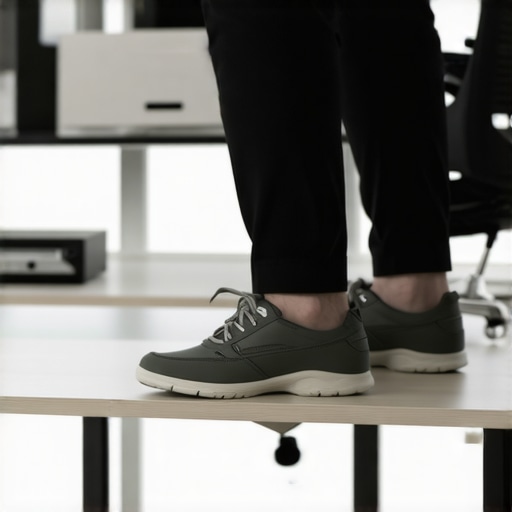
I remember the exact moment I realized my shoes were sabotaging my lower back. It was after a long day at work, standing in place without a break. My back felt like it had been run over by a truck, and I thought, “There has to be a better way.” That lightbulb moment led me down a path of trial and error, discovering that the right footwear isn’t just about style or comfort—it’s about protecting your spine, especially if you spend hours standing. If you’re like me, frustrated with persistent lower back pain despite regular stretching and exercises, you’re probably wondering if your shoes could be the silent culprits. Today, we’ll explore how choosing the best shoes can significantly reduce that nagging discomfort and help you stand stronger throughout the day.
Why Your Shoes Could Be Wrecking Your Lower Back
Hurting after a full day on your feet? You’re not alone. Many overlook how their footwear impacts their back health. Shoes that lack proper support, cushioning, or stability can cause misalignment and strain, leading to chronic pain. According to recent research, improper footwear can alter your gait and increase pressure on your lumbar spine, worsening existing issues or even creating new ones. Early on, I made the mistake of thinking all shoes were created equal—an easy trap that many fall into. Wearing stylish but unsupportive shoes seemed harmless, until my back started screaming after just a few hours. That was a clear sign I needed to reassess my choices. Choosing the right shoes isn’t about sacrificing style; it’s about investing in your long-term comfort and mobility. If you’re serious about easing back pain, understanding what features to look for can make all the difference. Want personalized guidance? Don’t hesitate to reach out through our contact page. Up next, let’s bust some myths and tackle your biggest fears about footwear and back health.
Assess Your Footwear Support Needs
Start by evaluating the type of support your current shoes provide. Look for shoes that have a firm midsole, adequate arch support, and a stable heel counter. For example, I noticed my sneakers lacked proper arch support, which caused my ankles to roll inward, increasing back strain. Replacing them with shoes designed for stability helped align my pelvis and reduce pain.
Identify Key Shoe Features That Prevent Back Pain
Prioritize Cushioning and Shock Absorption
Choose shoes with cushioned insoles and responsive midsoles that absorb impact, especially if you’re on your feet for extended periods. I switched to a pair with gel inserts, which significantly diminished the jarring impact on my lumbar spine during long walks or standing hour after hour.
Focus on Proper Fit and Stability
Wear shoes that fit well without tightness or excessive looseness. Proper fit ensures your foot stays stable, preventing misalignment that can jerk your pelvis and cause lower back discomfort. Once I found shoes that fit snugly without pinching, my days of lingering back ache decreased drastically.
Test Shoes Before Committing
Always try shoes with the socks you intend to wear regularly. Walk around in the store, paying attention to how your back feels after a few minutes. I recommend doing a quick walk on multiple surfaces, like tiles and carpets, to simulate real-world conditions. I discovered that a supportive sneaker on a tiled floor felt uncomfortable at first, but after a few days, my back felt noticeably better.
Incorporate Footwear Changes Into Your Routine
Gradually replace your old shoes, especially if they are worn out. Use new shoes consistently for a week or two to allow your muscles and joints to adapt. For persistent issues, consider consulting a podiatrist or physical therapist for personalized recommendations. Remember that proper footwear is just one part of an overall strategy to protect your lower back, which also includes ergonomic adjustments and targeted exercises. If you’re experiencing ongoing back pain, it might be time to explore other factors contributing to your discomfort. Check out ergonomic tips for daily comfort or lifestyle changes for better sciatic health.
 Many assume that stretching or strengthening exercises are the ultimate solutions for neck pain, sciatica, and back issues. While these are essential components, a common misconception is that pain always stems from muscular weakness or tightness. In reality, systemic factors like posture habits, nerve impingements, or even footwear choices often play a more significant role than most realize. For example, a prevalent myth suggests that all sciatic pain originates solely from herniated discs, but studies indicate that nerve sensitivity and inflammation, sometimes caused by biomechanical misalignments, are equally influential (source). One advanced mistake many make involves ignoring the body’s subtle signs of nerve irritation. Repetitive microtraumas, poor ergonomics, or poor sleep positions can accumulate, leading to chronic issues that are mistakenly attributed to isolated muscle strain. Overlooking these nuances might delay effective treatment and cause prolonged discomfort. A crucial aspect to consider is the role of fascia and connective tissues, which often harbor restrictions that mimic muscular tightness but actually require different approaches, such as myofascial release (discussed here). For the sophisticated mover or clinician, asking yourself, ‘Is this pain truly originating from the muscles, or could it be linked to nerve conduction or fascial restrictions?’ can unlock more targeted strategies. Always evaluate and address underlying causes rather than just symptoms. For comprehensive guidance, explore how to manage stress-induced neck pain or delve into ergonomic improvements for back pain. Remember, persistent pain often signals an imbalance in your movement system, not just muscle fatigue. Identifying these hidden nuances can be the key to lasting relief. Have you ever fallen into this trap? Let me know in the comments.Maintaining your spinal health requires more than just occasional stretches; it demands the right tools, consistent routines, and knowledge of how to adapt over time. Personally, I rely heavily on a few specific pieces of equipment that have stood the test of time and help me stay mobile and pain-free. One standout is the foam roller, but not just any foam roller—I prefer a dense, high-quality EVA foam roller that provides deep myofascial release. Unlike cheaper options, my preferred roller effectively targets fascia restrictions that often mimic muscular tightness, ensuring I address the root of lingering pain. Using it regularly, especially over the IT bands and lower back, helps prevent issues from building up and keeps my tissues resilient.
Another tool I swear by is the Nerve Glide Exercise Band Kit. These are tiny, inexpensive resistance bands designed to facilitate nerve mobilizations, particularly for sciatic or cervical radiculopathy. I incorporate guided nerve glide movements using these bands daily; this practice has profoundly reduced nerve sensitivity and prevented flare-ups. The key is consistent use—today’s 5-minute routine can lead to lasting improvements in nerve conduction and overall mobility.
In addition to physical tools, I heavily invest in ergonomic technology—like adjustable standing desks and monitor arms—that promote proper posture throughout the day. These solutions are backed by research, such as the studies discussed in ergonomic tips for daily comfort, demonstrating their efficacy in reducing strain and promoting spinal health over years of use.
The future of back health maintenance points toward smart technology integration. Devices like posture trackers and wearable sensors can now alert you when you slouch or hold poor posture for too long. I predict that over the next decade, real-time biofeedback systems will become a standard part of preventive care, empowering us to correct poor habits before pain and injuries develop.
How do I maintain my mobility and prevent setbacks? The answer is simple: consistency and proper tools. Incorporate daily mobility routines with targeted exercises such as my recommended nerve gliding drills or foam rolling, and stay vigilant about ergonomic setup. If you’re serious about taking your back health to the next level, I suggest trying the precise mobility routines I outline in this guide to see tangible long-term results.
For personalized support, don’t hesitate to reach out through our contact page. Remember, investing in the right tools today can save you endless discomfort tomorrow—your back will thank you!
The Hardest Lesson I Learned About Back Pain and Shoes
One of the most profound realizations on my journey to alleviating back pain was understanding how foundational footwear truly is. I used to dismiss shoes as mere fashion accessories, but after experiencing persistent discomfort, I uncovered a simple truth: your shoes can make or break your spinal health. The lightbulb moment came when I noticed my pain increased after long days in unsupportive footwear, prompting me to prioritize support and stability, which dramatically changed my outcome.
Secrets That Changed My Approach to Footwear
Over time, I discovered that shoes with proper arch support, shock absorption, and stable heels are game changers. Initially skeptical, I found that investing in quality support insoles and choosing footwear with a firm midsole helped realign my pelvis and reduce strain. Sharing this personal breakthrough helps remind us all that safe, supportive shoes are an essential part of a holistic strategy for back health.
Resources That Elevated My Journey
To deepen my understanding, I turned to trusted tools and guides like ergonomic tips for everyday comfort, which offer practical advice on maintaining proper posture and support throughout daily routines. I also rely on specialized footwear reviews from experts I trust, helping me select shoes that genuinely support my back. Lastly, consulting with professionals via our contact page provided tailored recommendations, cementing my commitment to proactive care.
Embrace Your Power to Change
Remember, the choices you make today—like selecting supportive footwear—can have a lasting impact on your back’s resilience. Small changes, like swapping out worn-out shoes for ones that promote proper alignment, can set you on a path to pain-free living. You have the power to improve your mobility and enjoy daily activities without fear of discomfort. Start today by assessing your footwear support; your back will thank you for it.
Have you noticed how your shoes influence your back pain? Share your experience below and let’s learn from each other’s journeys to better spinal health.