
The Best Way to Stretch Your Neck Without Causing More Damage
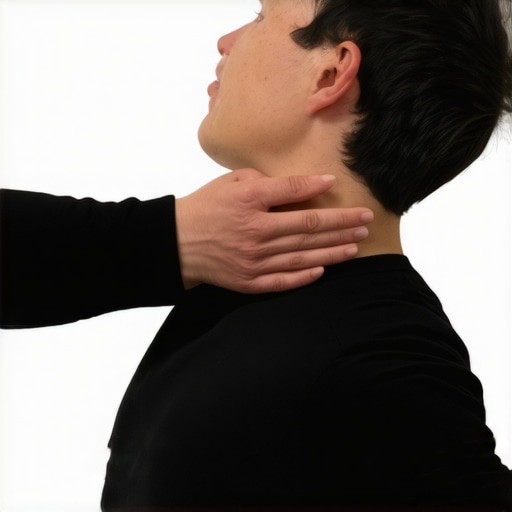
It hit me like a ton of bricks during a typical workday—an all-too-familiar tightness creeping up my neck. I was trying to stretch it out, hoping to regain some relief, but honestly, I was just making things worse. That lightbulb moment made me realize I needed a better, safer way to address neck stiffness without risking additional damage. If you’ve ever experienced that unsettling sensation of neck pain intensifying after a stretch, you’re not alone. Today, I want to share how I finally found a way to gently ease that tension—something that actually works and keeps me safe.
Why Most Neck Stretches Do More Harm Than Good
Is Your Approach to Neck Stretching Truly Safe?
In my early attempts, I made the mistake of pushing too hard or stretching in awkward positions—ways I now know are common but risky. I believed that stretching was the best cure, but it often left me with increased soreness or weird nerve sensations. According to recent research from the National Library of Medicine, improper neck movements can exacerbate underlying issues, leading to chronic pain or nerve irritation. Recognizing this, I started asking myself: Is what I’m doing actually helping, or could it be damaging?
Fortunately, by understanding some basic principles—like avoiding aggressive movements and focusing on gentle, controlled stretches—I began to make progress. It’s crucial to acknowledge that not all stretches are created equal, and what works for one person might harm another. That’s why I’ve explored safer techniques that prioritize controlled mobilization over forceful pulling. If you’re anything like I was, facing persistent neck discomfort, it’s worth reassessing your approach.
Have you ever felt that your neck pain worsened after trying to stretch it? If so, you’re in good company. Let’s look at how to navigate this tricky terrain, starting with the essential do’s and don’ts of safe neck mobility.
Practice Gentle Neck Mobilization
Begin with Slow Nods and Turns
In my experience, starting with gentle, controlled movements helps retrain your neck muscles without overstretching. I lay flat on my back and slowly turned my head side to side, feeling for tight spots without forcing past discomfort. This mirrors how a cautious approach to mobility works best—think of your neck like a hinge that needs gentle lubrication rather than forced bending. Remember, abrupt or forceful movements can aggravate nerve irritation. Make small, deliberate motions, pausing at tension points, to gradually increase your range. For a visual guide, consider this simple exercise detailed in Neck Pain Solutions.
Many people believe that stretching or strengthening exercises are the single-answer fix for sciatic, neck, or back pain. However, this oversimplifies a complex issue. A prevalent misconception is that pain always indicates tissue damage that needs to be ‘fixed’, leading many to push through discomfort or perform aggressive stretches. In reality, pain often reflects nerve sensitization or protective muscle guarding, which can worsen if mismanaged. For example, forcing a stretch during a flare-up might amplify nerve irritation—a trap many fall into, believing it’s an effective solution. According to the Journal of Orthopaedic & Sports Physical Therapy, misapplied mobility work can perpetuate pain cycles instead of resolving them. This highlights the need for nuanced approaches tailored to individual conditions, emphasizing safe, controlled mobilization rather than brute-force exercises. Are you still following the myth that more pain equals better healing? Let me clarify why listening to your body’s signals and applying expert-guided strategies—like those outlined in this resource—are key to genuine recovery. Furthermore, many assume that any improvement in mobility must come from lengthy sessions or intense routines. But quick, targeted drills can break pain loops—such as the 3-minute wall slide for posture correction—creating lasting relief without overloading your nervous system. Also, it’s crucial to recognize that relying solely on external supports or braces may weaken your spinal stability over time, as discussed in this article. Instead, fostering intrinsic muscular strength through safe, mindful movements is more sustainable. Remember, the path to relief is rarely linear; it involves understanding your body’s nuanced responses and gradually re-establishing healthy mobility patterns. Have you ever fallen into this trap? Let me know in the comments. Taking this deeper view helps us move past myths into effective, evidence-based care.When it comes to staying pain-free, having the right tools and routines in place is essential for maintaining long-term mobility and comfort. Personally, I’ve found that investing in quality equipment and adopting proven techniques can make all the difference in preventing flare-ups and scaling recovery efforts. One of my go-to tools is a high-density foam roller, which I use daily to release tight muscles and improve circulation—this not only alleviates current tension but conditions my body to better handle daily stresses. I also rely on therapeutic massage balls to target stubborn knots in my lower back and hips, especially after long periods of sitting. For software, I utilize a posture-tracking app that syncs with my devices, reminding me to adjust my ergonomics and sit correctly, helping me stay aligned throughout the day. These apps analyze your sitting habits and suggest modifications, which I’ve found invaluable for long-term posture correction. Combining these physical tools with ergonomic furniture adjustments—like proper desk height and monitor positioning—has significantly reduced my chronic discomfort. For instance, ensuring the top of my monitor is at eye level prevents neck strain, a common contributor to upper back pain. Looking ahead, I predict wearable sensors equipped with real-time feedback will become mainstream, giving immediate alerts for poor posture and muscle imbalance.
How do I maintain my mobility over time? Consistency is key. I set aside 10 minutes each morning for targeted mobility drills described in this resource. Incorporating these routine movements ensures my spine remains limber and resilient. Additionally, I schedule periodic sessions with a physical therapist, who guides me through personalized adjustments and advanced techniques. This hybrid approach—combining self-managed tools with professional input—keeps me in control of my health. As I continue to explore other innovations, I keep an eye on emerging technologies like smart resistance bands and AI-guided correction systems, which show promising results for scalable and sustainable pain management. Remember, the key is to be proactive and tailored in your approach. I recommend trying the deep tissue massage ball exercises regularly—they’re simple, portable, and incredibly effective at preventing muscle tightness. Once incorporated, these tools help create a resilient foundation for a pain-free lifestyle that can adapt to your evolving needs.
Throughout my journey with neck and back discomfort, I’ve uncovered insights that go beyond generic advice—lessons that have transformed my approach from reactive to proactive. One profound realization was that persistent pain often stems from habits we overlook, like poor ergonomics or ignoring early warning signs. Embracing small, consistent adjustments—such as mindful movement and proper posture—has yielded more sustainable relief than sporadic stretching ever did.
Another key lesson was understanding the importance of listening to my body’s signals. Pushing through discomfort might feel productive in the moment, but it often exacerbates issues over time. Educating myself with resources like ergonomic tips and expert strategies has empowered me to act smarter, not harder, in managing my symptoms.
Finally, I learned that recovery isn’t a linear path. Progress may come in small wins—like improved range of motion or reduced stiffness—and celebrating those moments fuels ongoing commitment. Recognizing these nuanced lessons has transformed my approach from one of frustration to one of hope and resilience.