
The Bruegger Position: Fast Way to Reset Your Posture at Work
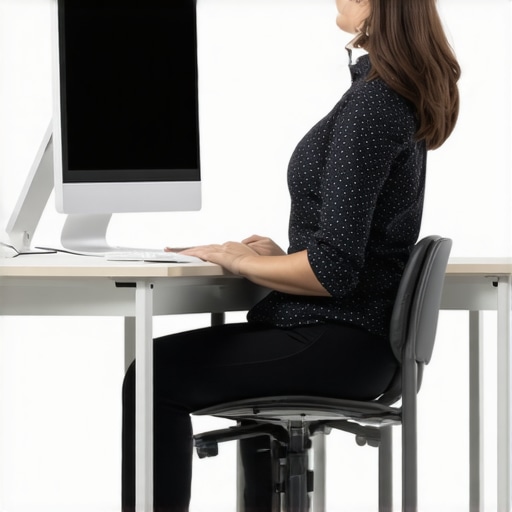
Have you ever felt that sudden, sharp twinge in your lower back right after a long day at your desk? Or maybe you’ve caught yourself slouching so deeply that it’s like your spine forgot how to stand tall? I’ve been there. Sitting for hours, battling stiff shoulders and aching necks, I used to believe that stretching or adjusting my chair was enough. But then, I experienced a lightbulb moment that changed everything. One quick, intentional move—I call it “The Bruegger Position”—became my secret weapon for immediate relief and realignment.
The Power of a Simple Posture Reset
Many of us underestimate how quickly our posture can slip into unhealthy patterns. By midday, my shoulders would slump forward, my neck strain would intensify, and that familiar dull ache in my lower back would creep in. It’s frustrating, isn’t it? The good news is that there’s a fast, effective way to counteract this built-up tension without the need for complicated workouts or hours of therapy. And the best part? You can do it right at your desk, in just a heartbeat.
Is a Quick Fix Really Worth It, or Just a Trend?
Early in my journey, I was skeptical. I’d tried countless stretches, ergonomic tweaks, and even expensive chairs with little lasting impact. My mistake? I thought that only long-term habits could solve the problem. But I learned that small, strategic adjustments—like the posture reset we’ll explore—can provide immediate relief and promote better long-term health. This approach is backed by experts; studies show that frequent posture resets can reduce discomfort and improve mobility (source: Body Renew Therapy).
Are you tired of feeling stiff and achy after work? If so, stick around. I’ll guide you through a simple, proven technique—your new daily ritual for regaining control over your posture and easing that persistent pain. Let’s get started.
How to Perform the Ultimate Desk Posture Reset
Start by sitting comfortably in your chair, feet flat on the floor, and spine in a neutral position. Think of your spine as a stack of building blocks; ensure each block is properly aligned to prevent growing imbalance. Place your hands gently on your thighs, chest open, shoulders relaxed. Gently tuck your chin slightly inward—like nodding affirmation—to realign your neck and prevent “tech neck” strain. This movement is quick but profoundly effective in breaking the cycle of slouching. I recall a day I completed this simple adjustment after noticing my shoulders creeping forward; within seconds, my tension eased, and I felt more energized.
Engage the Core to Support Your Spinal Alignment
Next, activate your core muscles—imagine tightening a corset around your waist without holding your breath. This engagement stabilizes your lower back and counteracts the pull of fatigue-related slumping. To do this, gently draw your belly button toward your spine and hold for a few seconds. Unlike workout routines that tire you out, this micro-movement can be sustained effortlessly throughout your workday. An experience I had involved a brief core contraction during a long meeting; not only did it prevent my back from aching, but I also stayed more attentive as tension was kept at bay.
Adjust Your Head and Shoulders to Stop the Forward Drift
Now, focus on your head position. Imagine a string pulling upward from the crown of your head—this elongates your neck and discourages forward leaning. With your eyes facing straight ahead, gently tilt your chin slightly downward if your gaze is too high—this reduces neck flexion. Simultaneously, roll your shoulders back and down, akin to trying to tuck your shoulder blades into your back pockets. This combined movement reestablishes the natural cervical and thoracic curves, preventing that “hunch” that so many develop. I personally found that doing this sequence in front of a mirror reinforced the habit, leading to a noticeable reduction in neck stiffness over days.
Incorporate Micro-Stretches to Break the Stiffness Cycle
Periodically, perform gentle micro-stretches—think of it as giving your joints a quick stop during a long drive. Rise slowly, reach your arms overhead, and stretch side to side, feeling the elongation on each side of your torso. This movement boosts blood flow and resets your musculoskeletal system. I once combined this with my coffee break, especially during intense mental tasks; the result was a refreshed posture and decreased lower back discomfort. Remember, these micro-movements are investments in your comfort that pay off immediately and over time.
Maintain Consistency and Mindfulness
The key to this method is repetition. Set alarms or use sticky notes as reminders—like an internal coach—that prompt you to perform these quick resets every 20-30 minutes. Over days, they become second nature, and your body compensates more efficiently. Furthermore, mindfulness—being aware of your posture and resisting the urge to slump again—solidifies these habits. Think of this as tuning your body’s internal compass to true north, preventing slip-ups and keeping you pain-free. For additional strategies on long-term posture improvement, consider exploring techniques at Enhance Your Back Mobility.

Many people assume that common conditions like sciatica and chronic back pain are straightforward problems with simple fixes. However, a closer look reveals that most individuals fall into nuanced traps that hinder actual recovery. For example, a prevalent myth is that stretching alone is sufficient to alleviate nerve impingements like sciatica. But in my experience, overly relying on passive stretches without addressing underlying movement patterns often leads to temporary relief that quickly fades, causing frustration and chronic discomfort.
One subtle mistake is misdiagnosing the root cause. Many equate all back or neck pain with muscular strains when, in fact, nerve involvement or joint dysfunctions might be the actual irritants. Ignoring these nuances may lead one to pursue ineffective treatments, such as excessive foam rolling on inflamed nerves, which can aggravate symptoms. To truly make progress, a comprehensive assessment by a mobility expert is essential, as it can identify hidden imbalances and maladaptive patterns that perpetuate pain.
Another trap is the misconception that structural issues are unchangeable. Some believe that scoliosis or degenerative discs mean their fate is sealed. But recent research demonstrates that targeted mobility exercises can significantly alter how these structural factors manifest in daily life, improving pain levels and function. For instance, specific thoracic mobility drills can reduce compensatory neck tension that often arises from poor upper back movement, as detailed in our mobility improvement guides.
A common mistake among advanced practitioners is neglecting the role of lifestyle habits in pain persistence. Sitting for prolonged periods or wearing improper footwear can subtly reinforce poor movement habits. I often see individuals focusing solely on exercises without addressing these external factors. It’s vital to integrate ergonomic adjustments and daily movement variability. For example, alternating between standing and sitting, and incorporating micro-movements during work hours, can drastically influence long-term outcomes.
Now, here’s a vital question for the experienced reader: how do you differentiate between true nerve impingement and muscle guarding that mimics it? The answer lies in careful clinical assessment and specific movement tests. Pain that worsens with certain positions or load suggests mechanical nerve involvement, whereas muscle guarding often improves with gentle motion. Learning to distinguish these allows for precision in treatment strategies, as discussed in our detailed approaches to sciatic relief.
Remember, the key is a nuanced understanding of how your body moves and reacts. Avoid falling into simplistic solutions that overlook the complex interplay of structure, function, and lifestyle. Seeking expert guidance can help you avoid these common pitfalls and accelerate your path to relief. If this resonates, check out our comprehensive resources and start making smarter choices today. Have you ever fallen into this trap? Let me know in the comments.Maintaining mobility and pain relief over time requires the right combination of tools, habits, and expert strategies. One of my favorite essentials is the use of a quality foam roller, specifically a dense, vibrating model. I personally find that incorporating a foam roller into my daily routine helps release deep muscle tension, improve blood flow, and prevent stiffness that can lead to flare-ups of back or neck pain. The vibration feature adds an extra layer of relaxation, especially after long periods of desk work or that morning workout. When selecting a foam roller, I recommend choosing one with enough firmness to target myofascial tissues effectively, but still comfortable enough to avoid aggravating sensitive areas. Regular use, particularly with guided tutorials, helps me sustain mobility without resorting to costly therapies.
As I reflect on my journey through managing persistent back and neck discomfort, I realize that the most valuable lessons often come from our own missteps and insights gleaned along the way. These insider tips have transformed how I approach posture and mobility, and I hope they do the same for you.
The Hardest Lesson I Learned About Posture and Pain Management
One of my biggest realizations was that quick fixes are just that—temporary. I used to rely heavily on stretching or ergonomic setups without addressing underlying movement habits. It wasn’t until I committed to consistent micro-movements and mindful posture resets that I saw lasting relief. This taught me the importance of sustained, intentional actions over shortcuts.
Three Myths About Back and Neck Pain That Held Me Back
First, I believed that muscle stretching alone could solve nerve impingements, which isn’t always the case. Second, I thought that structural issues like scoliosis were unchangeable—research shows targeted mobility can make a difference. Third, I assumed that sitting correctly at the desk was enough, overlooking the importance of movement variability throughout the day. Busting these myths opened my eyes to a more effective approach to pain relief.
What Experts Won’t Tell You About Long-Term Posture Gains
Many professionals emphasize the importance of regular posture checks, but they often overlook the power of integrating micro-movements into your daily routine. Simple shifts, like engaging your core consciously or adjusting your head position periodically, can prevent discomfort from becoming chronic. Trusting these small, consistent tweaks shapes a resilient, pain-free spine over time.
Curated Tools Boosting My Mobility Journey
I’ve found that incorporating a dense vibrating foam roller significantly aids in releasing deep muscle tension and promoting blood flow. I trust the foam roller exercises because they suit my body’s needs and fit into my busy schedule. Additionally, the ergonomic tips from recent guides have proven invaluable in maintaining optimal desk posture, preventing the energy drain caused by poor alignment. Finally, I recommend frequently revisiting foundational mobility routines found in cornerstone articles to reinforce your progress.
Now It’s Your Turn to Rewrite Your Back Story
Remember, managing back and neck pain is a continuous journey of awareness and small, empowered changes. Embrace the process, celebrate your progress, and don’t hesitate to seek guidance when needed. Taking these lessons to heart transforms pain from an unavoidable burden to a manageable part of life. Are you ready to implement these insights and claim control over your mobility? Share your experiences or questions below, and let’s support each other’s path to lasting relief.