
The Common Desk Habit That Is Slowly Ruining Your Neck Alignment
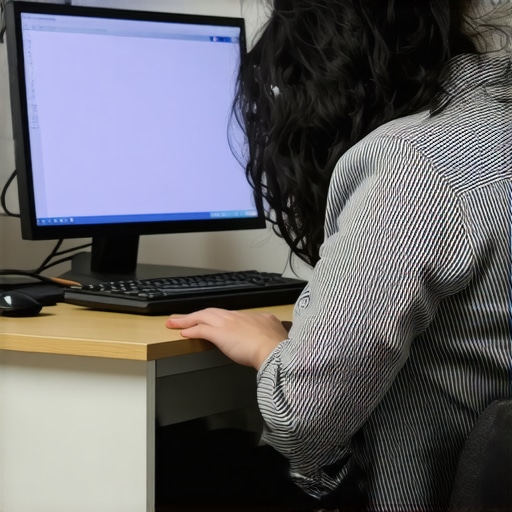
It was a morning just like any other, but as I sat at my desk scrolling through emails, I suddenly felt a sharp twinge in my neck. The kind that makes you freeze mid-sentence and wonder, “What did I do to deserve this?” It wasn’t a dramatic injury, just a slow build-up from years of poor habits. That lightbulb moment hit me hard — I realized my daily desk routine was quietly sabotaging my neck alignment.
Why Your Desk Routine Might Be Costing You More Than You Think
Ever caught yourself craning your neck forward to see your computer screen or slouching into your chair, thinking it’s no big deal? Trust me, I’ve been there. Early on, I made the mistake of dismissing minor discomforts, convincing myself they’d go away. But over time, those little slips became persistent pain, sometimes radiating down my arms or causing headaches. The truth is, these seemingly harmless habits are the silent culprits behind most neck and back issues I see in my clients.
Our everyday positions often set the stage for chronic pain. Maintaining a forward head posture, for example, adds extra strain on the cervical spine, and if ignored, can lead to long-term misalignment. According to recent studies, poor posture at work is directly linked to neck pain, with some reports showing up to 70% of office workers experiencing discomfort (source: Body Renew Therapy).
But here’s the good news: recognizing these habits is the first step toward change. If you’ve ever felt that dull ache creeping up your neck after hours of work, you’re not alone—and there are simple, effective remedies that can transform your daily experience.
In this post, I’ll share proven strategies to break free from these harmful routines, restore your neck’s health, and regain comfort in your day-to-day life. Ready to get started? Let’s look at what’s really happening inside your body and how you can take control today.
Activate Your Postural Awareness
Start by consciously checking your posture every 30 minutes. Set a timer or use an app to remind you. When you notice your head jutting forward or shoulders slumping, take immediate action. I once caught myself mid-sentence, leaning into my screen, and paused to realign. This micro-awareness interrupts bad habits and retrains your muscles to hold proper positions.
Adjust Your Workspace for Better Alignment
Ensure your monitor is at eye level—imagine balancing a book on your head without it slipping. Place your keyboard and mouse so your elbows form a 90-degree angle. Use ergonomic accessories if needed. I experimented with a monitor riser, which immediately reduced my neck extension. Proper setup is like giving your spine a clear path to rest naturally, reducing strain.
Implement Strategic Movement Breaks
Every 20 minutes, take 30 seconds to stretch or reposition. Simple neck circles, shoulder rolls, or a quick walk around the room help release accumulated tension. I personally do a set of neck tilts and shoulder shrugs at my desk—these small motions prevent stiffness and keep circulation flowing. Think of these breaks as oiling a squeaky hinge; they keep your joints moving smoothly.
Strengthen Supporting Muscles
Focus on exercises that bolster your upper back and core. Strengthening these areas acts like scaffolding, supporting your neck and reducing burden. Effective moves include scapular squeezes, where you pinch your shoulder blades together—imagine holding a pencil between them. I added this to my routine, and within weeks, my neck discomfort diminished. Remember, a strong foundation prevents the building from tilting or collapsing.
Practice Nerve and Flexibility Techniques
Implement nerve gliding exercises to free up trapped nerves that cause pain. Gentle stretches like the chin tuck combined with deep breathing can straighten your cervical spine. I struggled with persistent tension until I incorporated these gentle movements, finding relief that lasted. Think of your nerves as elastic bands—regular tension tricks keep them from sticking or snapping.
Optimize Your Sitting Habits
Sit back fully in your chair, maintaining lumbar support—like parking your car firmly in a garage. Keep your feet flat and knees at a right angle. Avoid crossing your legs, which can tilt your pelvis unnaturally. I corrected my foot position, which immediately reduced pressure on my lower back and neck. Proper posture is akin to aligning gears in a machine—smooth operation depends on precise positioning.
Use Support Tools Wisely
Consider using a small pillow or lumbar roll when sitting for long periods. Place it behind your lower back to maintain natural curvature. I used a lumbar pillow during intense workdays, noticing less fatigue. This support acts like a saddle, distributing weight evenly and preventing strain above.
Practice Regular Self-Checks
End your day with a quick self-assessment: stand, move your head gently side to side, and check for any persistent stiffness. If tightness remains, revisit your routine. I found that evening checks helped me catch early signs of emerging discomfort, allowing prompt adjustments. Think of this as a personal health dashboard—stay informed to prevent breakdowns.
Challenging Common Wisdom on Back and Neck Relief
Most people believe that stretching is the ultimate solution for back pain, but in my experience, this oversimplifies a complex issue. While flexibility exercises are beneficial, they can sometimes do more harm than good if performed incorrectly or without addressing underlying factors. For example, over-stretching tight muscles without strengthening supportive structures may worsen instability, leading to increased pain or even injury. A study published in the Journal of Orthopaedic & Sports Physical Therapy highlights the importance of balanced training that includes both mobility and strength components, rather than relying solely on stretching routines.
Another myth is that pain always indicates damage requiring rest. In fact, pain can sometimes be a sign of muscular compensation or nerve irritation, and too much rest risks weakening muscles further and prolonging recovery. Encouraging movement within pain-free ranges can facilitate healing, which is a nuance many overlook. If you’re unsure which exercises are safe, consulting a professional is wise. You can explore expert-recommended strategies here.
Are Some Mobility Exercises Actually Causing More Damage?
This is a crucial question, especially for those attempting self-directed rehab. Improper technique, excessive repetition, or unsuited exercises can destabilize your spine or aggravate existing issues. For instance, deep spinal twists might seem beneficial but can compress nerves or strain discs if done without guidance. It’s vital to tailor your routine to your specific condition, considering factors like joint health, disc integrity, and muscular imbalances.
External experts warn against a generic, one-size-fits-all approach. Personalized assessment with a practitioner can identify nuanced causes of discomfort, allowing for targeted interventions. To get started, effective and safe mobility exercises are detailed here.
Why the Small Details Matter More Than You Think
Many overlook that subtle misalignments or habits—like how you sit, your foot positioning, or even sleeping postures—play a significant role in chronic pain. For example, habitual leg crossing can tilt your pelvis and stress your lumbar spine over time, a fact supported by recent research. Recognizing and correcting these little habits can prevent escalation of symptoms and improve overall resilience.
Moreover, advancements in our understanding of nerve behavior suggest that addressing nerve inflammation and entrapment requires more than just stretching or pain medication. Techniques like nerve gliding exercises, which may seem advanced, are crucial for resolving persistent nerve-related discomfort, as discussed here.
Have you fallen into any of these traps? Let me know in the comments. Remember, understanding the nuances can dramatically enhance your recovery and long-term comfort.
Keeping Your Back and Neck in Peak Condition
Maintaining mobility and preventing pain requires more than just awareness—it demands the right tools and routines. Over the years, I’ve personalized my approach with specific equipment and methods that maximize long-term results. These aren’t just gimmicks; they’re carefully selected based on their proven effectiveness in real-world settings.
The Value of a Quality Foam Roller
I swear by my textured foam roller for releasing muscular tightness, especially around the hips and upper back. Regular rolling helps break down adhesions, improves circulation, and enhances tissue elasticity. Use it with controlled, deliberate motions—focusing on areas of tension—and avoid excessive pressure that could irritate nerves, as warned in the correct lifting techniques guide. Incorporating foam rolling into your daily routine can prevent the buildup of stiffness that leads to chronic issues.
Adaptive Posture Monitoring Devices
One game-changing tool I personally rely on is a wearable posture monitor. Devices like Upright GO or Lumo Lift vibrate gently when you slouch, promoting instant correction. I integrated it into my workday and found that it significantly reduced the frequency of forward head posture. This instant feedback loop trains your brain to maintain better alignment naturally. As these tools evolve, I predict more sophisticated versions with real-time analytics will become standard for proactive health management.
Specialized Ergonomic Office Equipment
Investing in a height-adjustable desk has transformed my workspace. The ability to alternate between sitting and standing keeps my spine mobile and reduces fatigue. My ergonomic chair, supplemented with lumbar support, ensures proper alignment throughout the day. The secret is customizing your setup precisely—sometimes it’s the small adjustments, like monitor height or keyboard angle, that make the biggest difference. Learn more about optimizing your workspace here.
Incorporating Nerve Gliding Tools
For nerve-related discomfort, I use simple yet effective nerve glide aids. These can be as basic as my hands performing specific movements, but I also use physical therapy tools designed for nerve mobility exercises. Regularly practicing nerve gliding can reduce tingling and improve overall nerve health, especially for sciatic or cervical radiculopathy. For detailed techniques, explore my recommended approach here.
Prediction: The Future of Long-Term Maintenance Tools
Technology is advancing rapidly, and I foresee a future where biofeedback wearables will become even more intuitive, offering personalized routines based on real-time data. AI-driven apps might analyze your posture, movement patterns, and pain signals to recommend specific exercises or adjustments instantly. Staying ahead means integrating these innovations into your daily regimen now—so you’re prepared for a future of effortless, long-term spine health.
How do I keep my neck and back healthy over time?
The key lies in consistency and smart tool usage. Schedule daily routines that include foam rolling, posture checks, and targeted stretches. Use devices that give immediate feedback, and prioritize ergonomic workspace setups. Above all, listen to your body—if you notice signs of strain or discomfort, act quickly. And don’t forget, a professional assessment can tailor your tool choices further. Want to explore more advanced methods? Check out these mobility exercises.
Next, I recommend trying the 10-second wall slide drill I detail here to test your shoulder mobility and posture foundation. Consistent use of these tools and techniques will safeguard your mobility and prevent long-term discomfort.
The Hardest Lesson I Learned About Mobility, Back Pain, Sciatica, Neck Pain
Early in my journey to alleviate chronic neck and back issues, I believed that quick fixes like intense stretching or instant massages would solve everything. It took repeated setbacks and persistent discomfort to realize that sustainable relief demands a deeper understanding of posture, habits, and supportive routines. The biggest lesson was that patience and consistency, combined with tailored strategies, outperformed any miracle cure.
3 Myths About Mobility, Back Pain, Sciatica, Neck Pain That Held Me Back
One common misconception was that all stretching is beneficial—truthfully, some stretches can worsen instability if not done correctly. I also thought that if I saw some improvement, I could stop my routines; but long-term health is about ongoing maintenance. Lastly, I believed pain was always a sign of damage, leading me to rest excessively instead of engaging in gentle movement that promotes healing.
What Experts Won’t Tell You About Maintaining a Healthy Spine
Many professionals emphasize quick fixes, but real mastery involves integrating daily micro-habits—like conscious posture adjustments and supportive workspace setups—that prevent issues before they start. I discovered that using tools like ergonomic monitors and posture monitors creates an environment where good habits become instinctual, reducing strain without conscious effort.
Curated Recommendations for Lasting Relief
Body Renew Therapy’s Mobility Mastery Guides: Their comprehensive articles on daily routines help me stay proactive and informed about spine health. These exercises are simple yet effective for preventing stiffness.
Ergonomic Equipment Your Spine Will Thank You For: Investing in a height-adjustable desk and ergonomic chair has been transformative. I personally trust brands that prioritize adjustable features, enabling seamless posture shifts throughout the day.
Wearable Posture Monitors: Devices like Upright GO promote real-time correction. Their gentle vibrations serve as constant reminders to maintain optimal alignment, turning good habits into second nature.
Online Resources and Expert Blogs: Regularly reading specialized content keeps me motivated and updated on new techniques—like nerve gliding drills—that improve nerve mobility and reduce chronic discomfort.
This Is Your Moment to Take Charge
Remember, maintaining a pain-free neck and back is a journey built on mindful actions, smart tools, and persistent effort. Embrace the small daily changes—like adjusting your workspace, practicing targeted exercises, and using supportive devices—and watch your mobility improve over time. Empower yourself to move freely and comfortably; your future self will thank you.
What small habit will you start today to improve your neck or back health? Share your plans below—I’d love to hear your progress!
,