
The Correct Way to Use a Foam Roller on Your Lower Back
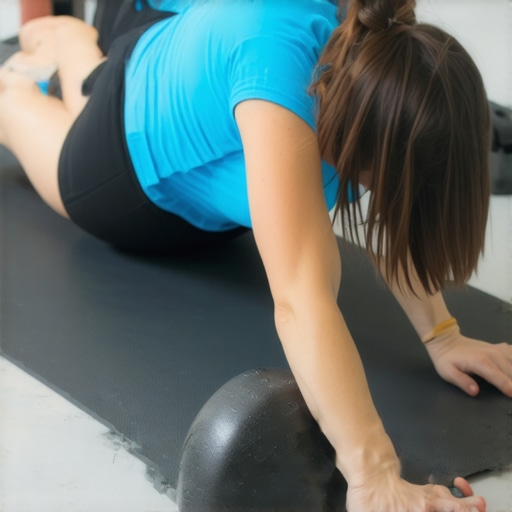
I remember the first time I grabbed a foam roller, eager to ease my persistent lower back discomfort. I naively thought that just rolling over the area would do the trick. Instead, I ended up irritated, tense, and frustrated, wondering why it seemed to make things worse. That lightbulb moment taught me something crucial: there’s a right way and a wrong way to use a foam roller on your lower back, and I was doing it all wrong.
If you’ve ever felt that sting of disappointment after a misguided foam rolling session, you’re not alone. Many folks jump in with good intentions but end up exacerbating their pain rather than alleviating it. The truth is, improper technique can trigger more muscle tightness, increase discomfort, and even lead to additional injury.
Today, I want to share the insights I’ve gained over years of helping people conquer lower back pain. Specifically, we’ll focus on **the correct way to use a foam roller on your lower back**—a game-changer in your mobility and pain relief journey.
The Common Mistakes That Sabotage Your Foam Rolling Efforts
Is It Really Worth the Effort or Just a Fad?
Fascinatingly, scientific studies support the concept of myofascial release, which is what foam rolling aims to do. However, the effectiveness heavily depends on proper technique. A mistake I made early on was rolling directly over my spine, a move that can actually compress vertebrae and cause more harm than good. Instead, focusing on surrounding muscles like the erector spinae and glutes is far more beneficial.
If you’re feeling skepticism—wondering whether foam rolling is just another wellness trend or genuinely effective—the answer depends on how it’s done. When performed correctly, foam rolling can increase blood flow, break up adhesions, and improve mobility. Conversely, improper technique can tighten muscles further, making pain worse. To avoid this, I recommend consulting trusted sources like [Body Renew Therapy](https://bodyrenewtherapy.com/conquering-sciatica-proven-approaches-to-end-discomfort-now), which emphasizes tailored approaches for pain relief.
By understanding common pitfalls and focusing on precise techniques, you can turn foam rolling into a powerful tool for relief rather than a source of frustration. In the next section, we’ll dive into the step-by-step method that will keep your lower back safe and effectively loosen tight muscles—so stay tuned and get ready to transform your recovery routine.
Positioning Yourself Correctly
Start by lying on your side with your knees bent at a 90-degree angle. Place the foam roller just below your lower back, positioning it at the level of your hip bones. Use your hands to support your head and keep your core engaged to prevent excessive arching. Remember, the goal is to target muscles surrounding your spine, not the spine itself.
Prepare for the Roll
Slowly shift your body onto the foam roller, supporting your weight with your legs and arms. Think of yourself as a ship adjusting its sails—gentle, deliberate movements ensure you’re not jolting or compressing delicate structures. This controlled approach prevents adding stress to your lumbar discs.
Executing the Proper Technique
Begin by gently rolling back and forth over the muscles adjacent to your lower back. Keep the movements slow and controlled, like kneading dough—this allows the fascia to release gradually. Focus on tender spots, pausing for about 20 seconds to allow for deeper release. Avoid rolling directly over your spine to prevent unnecessary compression.
Target the Right Muscles
Focus on your erector spinae and the muscles around your hips and pelvis. These areas support your lumbar spine and can become tight from prolonged sitting or poor posture, which can be linked to issues discussed in sciatica relief strategies. Remember, it’s more effective to roll the surrounding muscles than your vertebrae.
Refining Your Technique for Maximum Benefit
After initial passes, incorporate small, targeted movements by angling your body slightly to target different muscle knots—this is akin to tuning a guitar string for perfect sound. Use slow, deliberate shims rather than frantic motions, like adjusting a camera focus—precision over speed yields better results.
Monitoring Your Body’s Response
Pay close attention to your body. If you experience sharp pain or discomfort, reduce pressure or pause. Think of your muscles as a garden; some areas need gentle watering before they flourish. Increased tension after rolling may indicate you’re applying too much force or rolling over sensitive spots, which can worsen your condition.
Integrating Foam Rolling into Your Routine
Consistency is key. Incorporate this technique 3–4 times a week, especially after periods of inactivity. Pair it with stretches like the hip flexor release or core strengthening exercises found in mobility exercises for comprehensive relief. Over time, you’ll notice reduced soreness and improved flexibility, making daily activities easier and pain-free.
 Many individuals assume that alleviating neck pain and sciatica is simply about stretching or taking painkillers, but there’s a hidden nuance often overlooked: the importance of addressing underlying patterns and misconceptions. A common myth is that pain always indicates damage needing rest, yet in reality, it frequently signals poor motor control or habitual tension—issues that require targeted, expert strategies rather than generic routines. For example, listening to pain signals without understanding their source can trap you into over-relying on passive treatments and neglecting functional improvements. Studies, such as those highlighted by leading experts, demonstrate that improving quality of movement and correcting postural habits often yields more sustainable relief than solely addressing symptoms. An advanced mistake many make is neglecting the role of proximal stability; focusing only on stretching tight muscles without strengthening core and deep stabilizers can exacerbate issues over time. For instance, focusing exclusively on hamstring or neck stretches without considering core activation might provide temporary comfort but fail to resolve the root cause—an insight supported by recent biomechanical research.
Why is self-manipulation dangerous, and what should you do instead?
Many believe that cracking their own neck or back helps realign structures, but this can be risky. Self-adjustments may cause microtrauma or nerve irritation if performed improperly, as cautioned by clinicians in recent studies. Instead, engaging in controlled mobility exercises and perhaps consulting a skilled therapist ensures safe progression. Remember, the key is not just quick fixes but understanding movement dysfunctions—something I delve into more deeply in mobility mastery tips. Recognizing this nuance can prevent setbacks, reduce fear around movement, and empower you to take control of your recovery process. Have you ever fallen into this trap? Let me know in the comments.Maintaining your progress in alleviating neck pain, sciatica, or back discomfort requires more than just sporadic exercises; it involves investing in the right tools, establishing consistent routines, and understanding future trends in mobility care. One of my go-to pieces of equipment is a high-density foam roller, specifically designed to withstand regular use without losing its firmness. I personally prefer the trigger point NGR version because its firmness allows for deeper fascial release, which I find essential after long days of sitting or repetitive movements. Regularly using this roller helps prevent muscle tightness from creeping back, ensuring my mobility is preserved and pain stays at bay.
Additionally, I incorporate mobility belts and resistance bands into my routine. Resistance bands are portable and versatile, enabling me to perform strengthening exercises targeting core stabilizers—fundamental for long-term back health. These tools are inexpensive yet highly effective for maintaining the stability required for proper spinal function.
For tracking progress and staying motivated, I rely on mobility and posture tracking apps like “Lumo Lift” or “Upright”. These devices offer real-time feedback on your posture, helping you correct habits that contribute to chronic issues. They serve as gentle reminders to sit upright or adjust your positioning, which over time trains your body to maintain healthier alignments consistently.
Looking ahead, I predict a surge in smart biomechanical devices integrated with AI to personalize rehabilitation. As technology advances, wearables will increasingly provide diagnostic insights and tailored exercise plans, making maintenance simpler and more effective for everyone.
**How do I maintain my mobility and pain relief routines over time?** The key lies in integrating these tools into your daily habits, setting realistic goals, and regularly updating your approach based on new research and personal progress. Subscribing to authoritative sources like this comprehensive guide can keep you informed about innovative methods and emerging tools.

# Image prompt: A person using a foam roller on their lower back, placed in a bright, minimalistic home gym environment to illustrate effective self-care tools for spine health.
Lessons That Changed My Approach to Neck and Back Pain
One of the most profound insights I’ve uncovered is that pain often masks deeper issues like poor movement patterns or habitual tension, rather than just isolated injury. Real progress happens when you address these root causes, not just symptoms. I once believed that stretching alone would loosen stiff muscles, but I learned that without engaging stabilizers and correcting posture, relief is only temporary. A lightbulb moment was realizing that consistently practicing controlled, targeted movements unlocks long-term resilience. Additionally, trusting common advice without critical evaluation can lead you astray—like believing every foam roller move is safe for the lower back. Personal experimentation, guided by expert sources, proved essential in discovering what truly works. Recognizing these nuances has empowered me to adopt holistic strategies that incorporate mobility, strength, and posture correction, transforming my recovery routine from frustration to confidence.
Tools That Make a Real Difference in Neck and Back Care
My essential toolkit now includes a high-density foam roller tailored for fascial release—particularly beneficial after long hours of sitting. I trust the trigger point NGR version for its firmness and durability, which helps maintain consistent pressure without losing shape. Resistance bands are another cornerstone; they’re versatile for strengthening deep stabilizers and improving posture. Apps like “Upright” for real-time posture feedback motivate me to stay mindful throughout the day and prevent bad habits from creeping in. Looking ahead, I’m excited about AI-enabled wearables that personalize mobility routines, making everyday maintenance even more effective. These tools, combined with reliable resources like proven relief strategies, keep me proactive in my health journey and can do the same for you.
Your Back and Neck Transformation Awaits—Begin Today
Remember, the journey toward lasting neck and back relief is uniquely yours, but you don’t have to do it alone. By applying these insights, exploring recommended tools, and fostering patience, you’re setting the stage for meaningful change. Small, consistent steps today create a stronger, more resilient tomorrow. Don’t wait for pain to dictate your life—embrace the knowledge and strategies that empower you to move freely and comfortably. Your next breakthrough is within reach, and every positive choice brings you closer to that goal.