
The Difference Between Structural and Functional Scoliosis
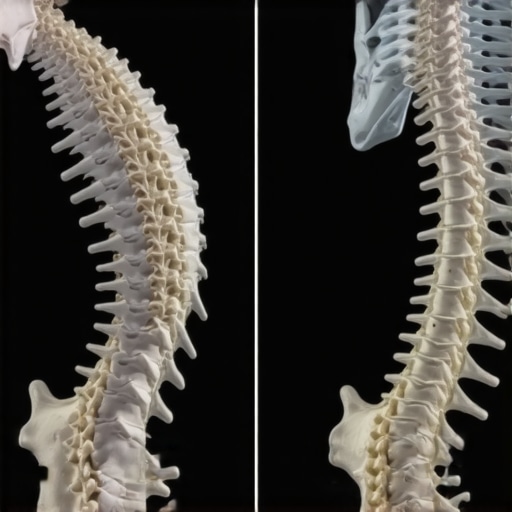
I’ll never forget the moment I realized my constant back pain wasn’t just a tit-for-tat with aging or bad luck. It was the lightbulb flickering on that spun my world around—a frustrating blend of confusion and hope. Sitting at my desk, feeling that familiar sharp twinge shooting through my side, I wondered, “What exactly is wrong with my spine?” That question led me down a path I hadn’t fully understood before—discovering the crucial difference between structural and functional scoliosis. Knowing this made all the difference in how I approached my recovery.
Why understanding the difference can change your journey
Many of us suffer from back discomfort, but often, we don’t realize that not all spinal deviations are created equal. Some are structural, meaning the bones themselves are crooked or misshapen. Others are functional, where the spine appears misaligned due to muscle imbalances or poor posture but isn’t permanently deformed. A startling fact from recent studies shows that nearly 80% of identified scoliosis cases are functional and reversible with targeted intervention (source: Body Renew Therapy).
Is your back pain actually something more serious?
I used to think that all back issues required aggressive surgery or endless medication. Early in my journey, I made the mistake of ignoring subtle signs because I believed “it’s just my bad posture” or “I’ll get used to it.” That assumption could have cost me dearly. The truth is, misjudging the type of scoliosis can lead to ineffective treatments or worsening symptoms. If you’re wondering whether your pain stems from truly structural problems or functional causes, you’re not alone. We’ll untangle this web together, starting with learning how to distinguish the two and what steps to take next.
If you’ve been battling persistent back or neck pain, it’s worth exploring further. Sometimes, simple adjustments or targeted exercises can make a world of difference—these are detailed in resources like simple exercises for back mobility or expert strategies for sciatic relief. Ready to start understanding your unique spinal story? Let’s dive deeper into how to tell whether your condition is structural or functional, so you can choose the most effective path to relief.
Assess Your Posture and Spinal Alignment
Begin by observing your posture throughout the day. Stand in front of a mirror or ask someone to check your alignment. Notice if one shoulder appears higher, if your hips tilt, or if your head leans to one side. Remember, functional scoliosis often results from muscle imbalances causing temporary misalignment, much like a crooked picture frame hanging straight when the backing is adjusted. I applied this step myself when I noticed my right shoulder creeping upward during work hours, which led me to targeted stretches and strengthening exercises.
Identify the Root Cause of Your Back Pain
Consult with a Professional
Schedule a visit with a healthcare provider experienced in spinal issues. They may perform specific tests, like a Adams Forward Bend Test, to distinguish between structural and functional scoliosis. Think of this step as a builder inspecting a foundation before renovating—accurate diagnosis prevents wasted effort. During my assessment, pinpointing muscle tightness versus bone misalignment saved me from unnecessary surgery and guided my rehab effectively.
Perform Targeted Mobility and Strengthening Exercises
Focus on exercises that improve flexibility and strengthen weak muscles. For example, if muscle imbalance is causing functional scoliosis, regular practice of stretches targeting the tight side and strengthening the weaker muscles can correct the imbalance—akin to tuning a musical instrument. Try exercises like the thoracic bridge or scapular slide drill, which I found particularly effective after working long hours at a desk, restoring my posture and reducing pain. You can explore simple, daily routines at mobility mastery tips.
Incorporate Daily Movement and Ergonomics
Consistent movement helps prevent muscles from becoming stiff, much like oiling a hinge keeps it functioning smoothly. Integrate ergonomic adjustments such as proper monitor height, chair support, and correct keyboard placement to promote optimal spinal alignment. For instance, elevating your monitor so your eyes are level avoids straining your neck, which I adapted during my work-from-home setup, leading to immediate neck relief. Small changes like these have a cumulative effect on spinal health and are vital in managing both functional and structural scoliosis.
Use Self-Myofascial Release Techniques
Applying tools like a tennis ball to release trigger points can dramatically improve muscle flexibility. I remember spending just five minutes daily rolling out my upper back and hips, which lessened my discomfort significantly. These techniques act as a reset button, loosening tight muscles and restoring balance—similar to freeing a jammed gear in a machine. Regular practice can diminish tension that contributes to spinal misalignments and pain.
Monitor Progress and Adjust Strategies
Keep a journal of your daily routines, pain levels, and postural changes. Visual feedback motivates consistency and helps you identify what works best. I personally tracked my exercises and ergonomic tweaks, noticing gradual improvements in mobility and reduction of pain. If progress stalls or symptoms worsen, consult your healthcare provider to modify your plan—think of it as tuning a bicycle for smoother ride before a long journey.
Understand When to Seek Further Help
If your pain persists despite these steps, or if you experience symptoms like numbness, weakness, or bladder issues, immediate professional consultation is essential. These signs may indicate more serious structural problems requiring advanced intervention—comparable to calling a mechanic when a car’s engine is failing unexpectedly. Recognizing these signals ensures you address potential issues before they escalate.
Remember, while these actions can profoundly influence your spinal health, personalized guidance from a professional remains critical. Protocols like restored mobility strategies are tailored to your unique condition and provide comprehensive support.
Many individuals believe that persistent back and neck pains are solely due to structural issues or poor posture, but this oversimplification can be downright misleading. A common myth is that if pain persists, surgery is the only solution—in reality, most cases of sciatica and neck discomfort respond well to targeted, conservative therapies. For example, recent research indicates that up to 85% of chronic back pain sufferers improve significantly with personalized physiotherapy focusing on mobility and muscle balance (source: Body Renew Therapy).
Another misconception is that stretching always helps, but in some cases, overstretching tight muscles can worsen nerve irritation, especially when nerve mobility is involved. Instead, active nerve gliding exercises and precise soft tissue techniques often produce better results. Many people overlook the importance of movement variability; sticking rigidly to the same routine can contribute to adaptation and stiffness, which exacerbates pain over time, as described in a study published in the Journal of Bodywork and Movement Therapies.
What about the idea that posture correction alone will eliminate pain? While posture plays a role, emerging evidence suggests that movement quality and muscle coordination are more critical. For instance, focusing solely on ‘standing straight’ without activating core stabilizers can leave you vulnerable to recurring issues. Engaging the deep stabilizers with exercises like the pelvic clock or internal cueing can dramatically improve resilience and reduce pain episodes.
Furthermore, many get caught in the trap of quick fixes, like relying on painkillers or superficial massages, which only mask symptoms temporarily. Instead, integrating comprehensive strategies—including ergonomic adjustments, mobility drills, and lifestyle changes—addresses the root causes and fosters long-term relief. Check out ergonomic tips to see how small daily tweaks can make a big difference.
And beware of the false sense of security from self-diagnosing based on symptoms alone. A thorough assessment from a professional is essential because the nuances between structural and functional issues significantly influence treatment decisions. For example, functional scoliosis, often mistaken for structural deformity, can be fully reversible with proper rehab, whereas structural challenges may require additional interventions. To understand your unique situation better, consider consulting experts who specialize in spinal health.
Finally, remember that our muscles and nerves are interconnected systems. Neglecting this holistic view hampers recovery. By addressing movement patterns, muscle imbalances, and nerve mobility collectively, you stand a much better chance of overcoming chronic pain. For a deeper dive into effective strategies, explore our resource on restoring mobility.
Have you ever fallen into this trap? Let me know in the comments, and share your experience with common misconceptions about pain management.
Maintaining a healthy spine over the long run requires more than just sporadic exercises; it demands reliable tools and systems that support ongoing mobility, posture, and muscle balance. I personally rely on a tailored combination of equipment and software that allows me to monitor, adjust, and optimize my routines daily. One of my favorite tools is the Foam Roller, which I use every morning to release muscle tightness that could otherwise contribute to recurrent back and neck pain. Particularly, I prefer a dense EVA foam roller because it provides enough firmness to target deep fascial layers without causing discomfort, allowing me to maintain muscle flexibility.
Another essential piece of equipment is the Trigger Point Massage Ball. Small enough to reach tight spots, I use it along my upper back, hips, and hamstrings, especially after prolonged sitting. This simple device helps prevent trigger points from turning into chronic knots that exacerbate postural problems and nerve irritation. I’ve found that consistent self-myofascial release keeps my tissues pliable, reducing pain and improving mobility, which aligns with the ideas shared in mobility mastery tips.
In addition, integrating technology enhances my ability to track progress and stay accountable. I use a movement tracking app that logs daily exercises, postural corrections, and pain levels. These insights enable me to identify patterns and adjust my approach proactively. For instance, if the app shows increased tension on my right side, I can incorporate targeted stretches or strengthen weak muscles accordingly, avoiding setbacks.
Looking ahead, I believe that wearable sensors embedded with AI will revolutionize the way we manage long-term spinal health. Imagine real-time feedback on your posture and muscle activation, actionable via your smartphone, helping you correct habits before discomfort even manifests. In fact, a recent technical review from Wearable Technology Journal emphasizes the potential for biosensors to provide continuous, personalized insights for musculoskeletal health.
If you’re serious about keeping your back, neck, and overall mobility in check, I recommend incorporating targeted self-myofascial release tools, like the foam roller and massage ball, into your daily routine. To maximize their benefits, you can start with the simple exercises and see how consistent use impacts your pain levels over time. Consistency is key, so set a daily reminder to dedicate just five minutes to these practices.
How do I maintain mobility and reduce pain over the long term?
Beyond tools, staying engaged with consistent movement routines—such as daily stretches, ergonomic adjustments, and posture awareness—is critical. Remember, the small investments each day compound to produce significant, lasting results in your spinal health. Explore resources like mobility tips to enhance your routine. Take action today by trying a 2-minute trigger point release session with a massage ball; you might be surprised at how much tension you can relieve and how it translates into pain reduction and better function.
What I Wish I Knew About Back Pain Before It Took Over
The most profound lesson I learned was that not all back pain comes from the same source. Recognizing the difference between structural and functional scoliosis transformed my approach from despair to empowerment. Understanding that functional misalignments are often reversible with targeted exercises encouraged me to take action rather than accept pain as inevitable. This revelation taught me that patience and precision are key to long-term relief.
The Power of a Personalized Plan Over One-Size-Fits-All Solutions
During my journey, I realized that relying solely on generic stretches or quick fixes often led to temporary relief at best. Consulting with experienced professionals helped me tailor a plan focusing on my specific needs—integrating mobility drills, ergonomic tweaks, and self-myofascial release. This personalized approach not only alleviated my pain but also instilled confidence in my ability to manage my spinal health proactively.
Listening to Your Body Is the Ultimate Guide
My lightbulb moment came when I started paying close attention to how my body responded to each activity. Noticing which movements triggered discomfort versus relief guided me in refining my routines. This mindful awareness became my most valuable tool, teaching me to adapt and avoid aggravating my condition. It’s a reminder that our bodies often whisper before they scream—listening can prevent unnecessary suffering.
Prioritize Consistency Over Intensity
Initially, I thought intense workouts would accelerate my recovery, but I found that maintaining consistent, gentle movements yielded far better results. Small daily habits—like a few minutes of posture correction or gentle stretching—compounded into significant improvements over time. This taught me that patience and persistence are more beneficial than sporadic bursts of effort.
Curated Resources That Made a Difference
- Body Renew Therapy’s Mobility Tips: Practical daily routines that fit into my busy schedule and kept my spine healthy.
- Back Pain Breakthroughs: An insightful guide that demystified spinal issues and offered actionable solutions tailored to my condition.
- Understanding the Link Between Posture and Pain: Providing clarity on how everyday habits impact spinal health, inspiring me to make meaningful changes.
- Overcoming Sciatica – Lifestyle Changes for Better Quality of Life: A comprehensive resource that tackled nerve pain holistically, integrating movement and mindset.
Take Charge of Your Spinal Journey Today
Empower yourself with knowledge, patience, and consistent action. Your spine is a complex system, but with targeted strategies and mindful habits, relief is within reach. Remember, every small step counts toward a healthier, more resilient back. Curious about how simple adjustments can make a lasting difference? Dive into our resources and start your transformation today.
What’s one change you’re willing to try this week to improve your spinal health? Share your plan below—I’d love to hear your story!