
The Hidden Connection Between Jaw Tension and Your Persistent Neck Pain
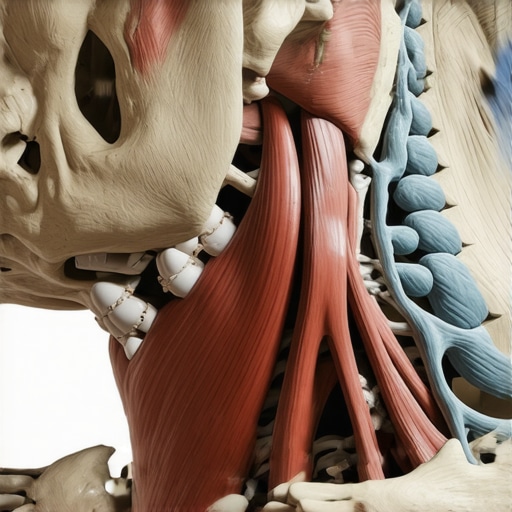
Have you ever woken up with a dull ache that gradually worsens, forcing you to cradle your neck in pain throughout the day? I used to dismiss it as just a bad posture or a stressful week—until I noticed something strange: my jaw felt tight, almost clenched, even when I wasn’t consciously grinding my teeth. One evening, as I massaged my jaw out of frustration, an epiphany hit me—could there be a connection between my jaw tension and my relentless neck pain?
The Jaw-Neck Pain Connection: A Surprisingly Common Culprit
It might sound odd, but I discovered that jaw tension, often overlooked, can significantly impact neck health. When your jaw muscles are tight or clenched, they don’t just stay confined to your face—they can create a chain reaction that adversely affects your neck and shoulders. This connection isn’t just anecdotal; studies have shown that stress-related muscle tension in the jaw can contribute to cervical spine discomfort, leading to persistent pain that seems to refuse to go away.
What I didn’t realize early on was how a simple subconscious habit—like bruxism (teeth grinding) or clenching during stressful moments—can throw your entire neck alignment off. This misalignment can aggravate existing issues or even be the primary cause of pain perceptions. The good news is that addressing jaw tension can be a game-changer in alleviating chronic neck discomfort, often without the need for invasive treatments.
Have you noticed yourself clenching your jaw when you’re stressed or concentrating? Maybe you grind your teeth at night without realizing it? These are common signs that your jaw may be silently sabotaging your neck health.
Early mistakes like ignoring jaw tension or just stretching aimlessly didn’t help me; in fact, they sometimes worsened my condition. I was guilty of superficial fixes that only treated symptoms, not underlying causes. Recognizing the role of jaw tension was a turning point, leading me toward more targeted strategies that address the root source of my pain.
In the next sections, we’ll explore practical techniques to release jaw tension and realign your neck, backed by expert insights. If this resonates with you, keep reading—your path toward lasting relief might be closer than you think. And if you’re curious to learn more about managing stress-induced pain, check out this guide.
Loosen Your Jaw with Targeted Movements
Start by gently opening and closing your jaw to its comfortable range, mimicking a slow, controlled yawn. Think of it as warming up a stiff hinge; this prepares your muscles for deeper releases. I once spent five minutes doing this after noticing increased clenching during stressful afternoons, and surprisingly, my jaw felt less tight, leading to reduced neck tension later that day.
Implement Nerve Gliding Exercises
Perform nerve flossing by slowly moving your jaw side to side while keeping your mouth slightly open. Visualize it as unjamming a stubborn door hinge by gently working the lock back and forth. I found that doing this during breaks helped diminish my persistent neck stiffness, especially when I felt those tight, tingling sensations creeping in.
Perform Trigger Point Self-Massage
Use your fingers to apply gentle pressure to sore spots on your jaw muscles, moving in small circles. It’s akin to kneading dough—pressing out the tension. One busy evening, I targeted my masseter muscles, and after a few minutes, the pressure in my face and neck softened noticeably, easing my discomfort significantly.
Practice Proper Breathing and Relaxation Techniques
Engage in diaphragmatic breathing by inhaling deeply through your nose, expanding your belly, then exhaling slowly through your mouth. Imagine filling a balloon slowly, then letting the air out gently. I adopted this method during stressful work hours, and over time, it reduced my baseline jaw clenching and neck tightness, fostering a more relaxed posture.
Adjust Your Sleeping Position for Comfort
Use a supportive pillow that maintains natural neck curvature, avoiding excessive elevation or flattening. Picture it as providing a cradle for your neck—it keeps muscles from cramping overnight. After switching to an ergonomic pillow, I noticed my morning jaw and neck pain diminished, making daily movement easier.
Incorporate Daily Mobility Breaks
Set reminders to perform light neck and jaw stretches every hour. Simple movements like gentle head turns or jaw stretches prevent muscles from tightening up. I employed these strategies during long work sessions, and they proved vital in maintaining mobility and reducing chronic pain episodes.
Consult with a Professional for Customized Care
If persistent tension remains, seek guidance from a healthcare provider specializing in musculoskeletal health. They can recommend tailored therapy or adjustments. I found that a few sessions with a practitioner not only addressed immediate pain but also equipped me with personalized exercises to sustain relief.
By systematically applying these steps, you can improve jaw function and significantly reduce neck discomfort. Remember, consistency is key—integrating these actions into your daily routine makes a real difference over time. For more detailed strategies tailored to your specific situation, check out this resource.
Many individuals believe that simply stretching or doing generic mobility exercises will automatically resolve their chronic neck, back, or sciatica issues. However, this oversimplification can lead to overlooked root causes and even exacerbate existing problems. One common myth is the idea that increased flexibility always translates to pain relief. In reality, too much flexibility without stability can destabilize your spine, making injuries more likely. Proper mobility isn’t just about loosening muscles; it’s about restoring optimal movement patterns and neural control, which requires nuanced understanding beyond the typical stretching routines.
A critical nuance often missed is the importance of joint centering and neurological correctness. For instance, focusing solely on strengthening or stretching without addressing joint articulation or nerve mobility can create a false sense of progress. Implementing techniques like nerve gliding exercises, tailored to your specific neuro-musculoskeletal patterns, can unlock greater relief and function. Scientific studies, such as the one published in the Journal of Orthopaedic & Sports Physical Therapy, highlight that nerve mobility plays a pivotal role in resolving symptoms like sciatica and neck pain, yet it’s frequently neglected in mainstream approaches.
People often fall into the trap of believing that pain is solely muscular or structural, leading to strategies that ignore nerve health and biomechanical harmony. This oversight can delay recovery and cause chronicity. Instead, embracing a comprehensive approach that integrates joint mobilization, neural gliding, and stability training offers more sustainable results, as discussed in expert resources like [this guide](https://bodyrenewtherapy.com/neck-pain-solutions-proven-techniques-to-regain-your-range-of-motion).
## What advanced mistakes do most practitioners overlook in diagnosing mobility issues?
One advanced mistake is neglecting the role of proprioception and neuromuscular control in movement dysfunctions. Many focus on restoring range of motion without ensuring that the nervous system can adequately control that movement—leading to compensations and re-injury. Incorporating balance, coordination, and neuro-proprioceptive exercises can dramatically improve outcomes, especially for stubborn conditions like sciatica or chronic neck tension.
Another seldom-acknowledged factor is the influence of habitual postures and triggering external factors, such as the quality of your sleep position or ergonomic setup. These can subtly undermine mobility gains, making it easier to relapse into faulty movement patterns. For insights into optimizing your daily environment, check [this article](https://bodyrenewtherapy.com/enhance-your-back-mobility-ergonomic-tips-for-everyday-comfort).
Finally, an important caution is the risk of overdoing passive stretches or aggressive mobilizations without proper guidance. Pushing beyond your current capacity can damage tissues or exacerbate nerve symptoms. It’s crucial to work with professionals who understand the delicate balance of movement, stability, and neural health—like those at [our clinic](https://bodyrenewtherapy.com/contact-us). Have you ever fallen into this trap? Let me know in the comments.
How do I maintain mobility and pain relief over time?
Staying on top of your spinal health requires the right tools and consistent effort. Personally, I rely heavily on a combination of professional-grade equipment and tailored routines to sustain my progress. One essential tool I incorporate is a high-quality foam roller, like the Trigger Point Grid Foam Roller. It helps me perform self-myofascial release techniques targeting tight muscles that can contribute to neck and back pain. Regular use of a foam roller not only relieves muscle knots but also enhances circulation, promoting long-term flexibility and tissue health. For precise guidance, I often refer to this resource, which discusses how to use foam rollers safely and effectively.
Furthermore, integrating an ergonomic workstation setup is crucial. An adjustable standing desk allows me to alternate between sitting and standing, reducing undue pressure on my spine. I use a monitor arm to position screens at eye level, preventing forward head posture. This simple adjustment can prevent chronic neck and shoulder tension, which is a common cause of persistent pain. Learn more about optimizing your workspace at this article.
What about software or routines that support mobility?
Beyond physical tools, I employ digital routines to keep my mobility in check. Using a timer app, I set reminders to perform quick stretches and mobility exercises every hour during work. These mini-breaks involve neck rotations, jaw releases, and gentle spinal twists, which break up prolonged static postures. Studies show that micro-movements throughout the day sustain joint health and prevent stiffness. For example, I dedicate five minutes to gentle thoracic rotations and neck tilts, which significantly alleviate tension build-up. For a structured approach, check this comprehensive guide.
Planning for long-term success
Investing in professional care is vital for durability. I periodically schedule sessions with specialists who use targeted adjustments and soft tissue therapies to address specific issues. A customized plan prevents minor problems from escalating. Combining maintenance visits with daily routines creates a sustainable cycle of health. Looking ahead, advancements in wearable tech—like posture trainers and neural feedback devices—promise to further personalize and enhance these practices. The future of mobility and pain management is integrating smart tools with routine care, making long-term self-maintenance more accessible.
Remember, consistency is key. Integrate these tools and habits into your daily routine, and you’ll likely see sustained improvements. Want a quick starting tip? Try incorporating a foam roller session into your evening wind-down — it can make a noticeable difference in relaxing tense tissues and preparing your body for restful sleep. For more expert strategies and personalized support, don’t hesitate to reach out to professionals.
What I Wish I Knew About True Mobility Gains
One of the hardest lessons I’d learned was that not all flexibility is beneficial. Early on, I thought improving every stretch and mobility exercise meant I was making progress, but I realized that over-stretching without strengthening often led to increased instability. It dawned on me that quality trumps quantity, and understanding the nuances of joint control is critical for lasting relief. Another insight was the importance of neural mobility; overlooking nerve gliding as part of recovery kept me stuck in persistent pain cycles. Lastly, I discovered that habits like poor posture and stress-induced tension subtly sabotage physical progress, making consistent self-awareness and professional guidance essential for meaningful change.
Tools That Transformed My Approach to Pain-Free Living
I trust the Neck Pain Solutions Guide because it offers scientifically-backed techniques that get to the root of mobility issues. For my daily routines, I rely on a high-quality foam roller like the Trigger Point Grid, which helps me release fascia tightness and improve circulation. Additionally, ergonomic tools such as adjustable desks and monitor arms have been game-changers in maintaining spinal alignment throughout the day. Lastly, digital reminders for micro-movements and stretches ensure that I stay proactive, helping me avoid stiffness and discomfort even during long work hours.
Your Next Move Toward Lasting Relief Starts Today
Remember, real progress in mobility and pain management isn’t a quick fix—it’s a mindful journey that combines knowledge, consistent effort, and gentle patience. Every small step, from adjusting your sleeping setup to practicing nerve gliding exercises, builds toward a more resilient, pain-free body. I encourage you to embrace these strategies and trust that your commitment today paves the way for a healthier tomorrow. If you’re ready to take charge, explore the comprehensive guide to breaking the cycle of stress-related neck pain, and start making these changes step by step.
What’s Your Biggest Takeaway?
Have you ever realized how subtle habits, like clenching your jaw or poor posture, could be causing your chronic pain? Share your experiences below—your story might inspire someone else to start their own journey toward mobility and relief.
,