
The Hidden Link Between Tight Calves and Recurrent Back Pain
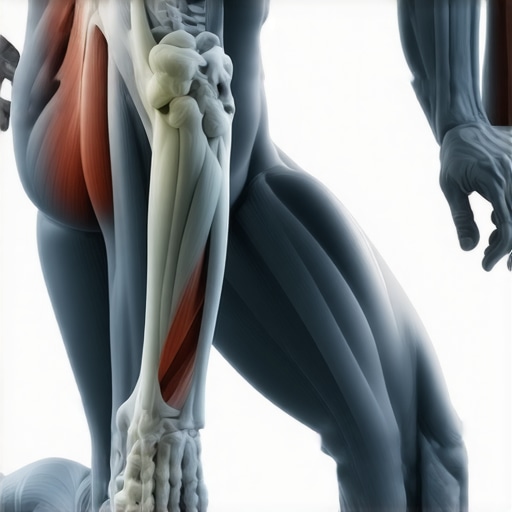
I remember the first time my back gave out after a long day of gardening. It wasn’t the usual stiffness or dull ache—I felt a sharp twinge, like my spine was protesting loudly after months of ignoring subtle warning signs. The frustrating part? I had no idea that those tight calves I habitually neglected could be secretly sabotaging my lower back. That realization hit me like a lightbulb turning on in a dark room.
Why You Should Beware of Tight Calves and Persistent Backaches
Many of us focus solely on the back muscles or spine when dealing with discomfort. But what if I told you that your calves—yes, the muscles in your lower legs—could be playing a starring role in your recurrent back pain? It might sound like a stretch, but there’s solid evidence suggesting that tight calf muscles can influence your posture and gait, ultimately burdening your lower back.
In my early days of struggling with back issues, I made a critical mistake—ignoring the importance of lower limb flexibility. I thought stretching the back and hips was enough. Turns out, neglecting my calves kept creating a domino effect, pulling my pelvis into misalignment and worsening my pain. It’s a mistake I see many make, and I want to help you avoid it.
Surprisingly, research from the Journal of Sports Rehabilitation indicates that calf tightness can alter walking mechanics, leading to increased stress on the lumbar spine. Recognizing this connection was a game-changer for me, and I believe it can be for you too.
Are you tired of battling recurring back pain that just won’t quit? Or do you notice your discomfort flares up after periods of prolonged standing or walking? If so, you’re not alone, and there’s a good chance your calves are part of the problem.
In the sections ahead, we’ll explore practical strategies to loosen your calves and break free from this hidden cycle—step by step. Because understanding this link might just be the key to lasting relief and renewed mobility.
Start with Gentle Calf Stretches to Unlock Tension
One effective approach I personally tested was a simple calf stretch against the wall. Stand facing a wall, place your hands at shoulder height, and step one foot back, keeping the heel flat and the knee straight. Lean forward slightly to feel a stretch in your calf. Hold for 30 seconds, then switch sides. In my messy first attempt, I kept my back hunched and forgot to keep my heel down, but even with that, I felt a notable difference in calf tightness after repeated sessions. Regular stretching loosens your calf muscles, reducing pull on the pelvis, which helps alleviate lower back strain. For a detailed routine, consider integrating this into your daily mobility practice, perhaps referencing our ergonomic tips for everyday comfort.
Incorporate Foam Rolling to Deepen the Relief
Next, I used a foam roller on my calves—something I initially thought was unnecessary. Place the foam roller horizontally under your calf and gently roll from ankle to knee, pausing on tight spots. I spent about a minute on each leg, often losing balance or squeezing my muscles too hard. With consistency, this technique helps break down fascia adhesions, promoting better muscle elasticity. As your calves soften, their reduced tension diminishes pelvis misalignment, easing back pain. If you’re unsure how to do this correctly, our detailed guide on foam rolling can help you avoid unnecessary discomfort.
Targeted Heel Drops to Reinforce Flexibility
After stretching and rolling, I added heel drops—standing on a step with heels hanging off the edge, then lowering my heels below the step level. This focused eccentric loading stretches the calves further and strengthens tendons. Initially, I wobbled, feeling both tightness and instability, but over time, my calves became more limber, and so did my back. This movement directly impacts gait and posture, preventing the chain reaction that leads to back spasms. Incorporate heel drops into your routine gradually, never pushing into pain.
Make Adjustments to Daily Habits
Beyond exercises, small changes made big differences. I realized I spent hours sitting in footwear that amplified calf tightness—like high heels or rigid shoes. Swapping to comfortable, well-supported shoes and avoiding prolonged sitting helped maintain my calf flexibility. Proper footwear can be just as crucial as targeted stretches. For more on ergonomic adjustments, see ergonomic tips for daily comfort.
Consistency Keeps the Cycle Broken
In my journey, doing these routines daily, even when not in pain, prevented recurrence. It’s akin to tightening a loose bolt before the machine breaks—prevention is key. Remember, the goal is to loosen your calves gradually to improve pelvic alignment, gait, and overall mobility. Integrate these steps into your routine, and notice how your back responds—moving less like a fragile wire and more like a sturdy bridge.
Many believe that targeting only the obvious symptoms like back or neck pain will lead to lasting relief. However, a common misconception is that pain originates solely from local issues, without considering the complex interplay of muscle chains and postural habits. For instance, many think that stretching the back or neck is enough, but what if tight calves or weak glutes are silently contributing to the problem? This oversight can hinder recovery and even cause setbacks. Advances in biomechanical research, such as studies highlighted in the Journal of Bodywork and Movement Therapies, emphasize the importance of addressing distal muscle groups and movement patterns to truly resolve these issues.
A critical trap to avoid is assuming that pain relief comes purely from external interventions, like massage or medication. Instead, understanding the nuanced role of connective tissues and neural pathways is essential. For example, scar tissue from previous injuries can alter muscle elasticity, creating a cycle of pain that’s difficult to break without targeted manual therapy and movement re-education.
What about the myths surrounding sciatica? Many believe that sciatic pain requires invasive procedures, but emerging evidence suggests that specific movement strategies and neural mobilizations can significantly reduce symptoms—often faster than traditional approaches. Expert insights from practitioners specializing in functional movement explore these non-invasive options, urging patients to consider comprehensive assessments rather than quick fixes.
Have you ever fallen into this trap? Let me know in the comments. Remember, true mastery over back, neck, and sciatic pain involves delving into these subtle but impactful nuances—an approach I detail further in my guide on navigating back pain breakthroughs, available [here](https://bodyrenewtherapy.com/back-pain-breakthroughs-navigating-your-path-to-restored-mobility). For a detailed look at common misconceptions and advanced strategies, explore our posts on [conquering sciatica](https://bodyrenewtherapy.com/conquering-sciatica-proven-approaches-to-end-discomfort-now) and [neck pain solutions](https://bodyrenewtherapy.com/neck-pain-solutions-proven-techniques-to-regain-your-range-of-motion). Understanding these hidden factors is the key to long-term relief and restored mobility.
How do I maintain mobility and relief over time?
Consistency is key when it comes to managing back pain, neck discomfort, or sciatica. One of my favorite tools I’ve integrated into my routine is the foam roller, specifically designed for my calves and lower limbs. Using a dense foam roller, I target those tight muscles regularly, breaking down fascia adhesions that undermine pelvic alignment and gait. The investment in a quality foam roller—like the TriggerPoint GRID—is worthwhile because its durable surface adapts to pressure, allowing me to apply precise, sustained pressure without hurting nerves or tissues. Practical application involves rolling in slow, controlled motions, focusing on tight spots. This approach helps me prevent recurrent issues and maintains my mobility without relying solely on passive therapies. <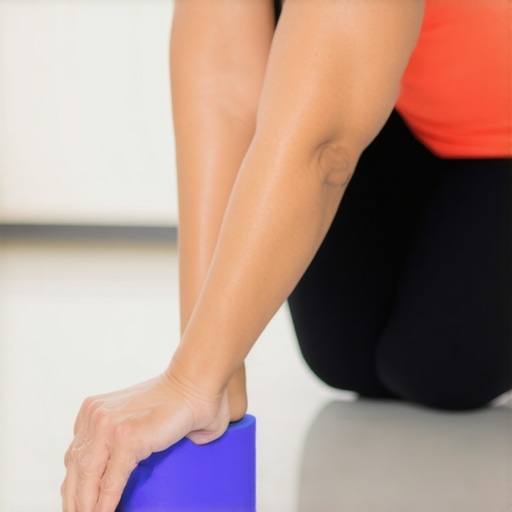 >
>
Another essential tool is a set of resistance bands used for strengthening the glutes and core, which provide further stability for the lumbar spine. I personally use a loop band for hip abductions and clamshells, reinforcing muscles that support proper pelvis orientation. Combining mobility drills with strength training creates a synergy that minimizes flare-ups and enhances overall posture. As technology evolves, digital apps like Strava or my physiotherapist’s recommended programs can track progress and adjust routines dynamically, ensuring sustained improvement over the long term. Predicting future trends, I believe wearable motion sensors will become more accessible, providing real-time feedback to correct postural habits instantly, further reducing the risk of setbacks.
What can I do to keep my back healthy while scaling my efforts?
Scaling your routine requires strategic progression and mindful adjustments. I advise gradually increasing the intensity and complexity of exercises. For example, once calf stretching becomes easy, I incorporate dynamic movements like step-ups or hill walking—both excellent for functional strength. Similarly, tracking your progress through a journal or app ensures consistent engagement and highlights areas needing attention. Remember, integrating ergonomic modifications into daily activities—such as adjusting your desk height or choosing supportive footwear—can prolong benefits and prevent setbacks. For deeper insights on managing back pain sustainably, our latest expert tips for long-term mobility are invaluable. Keep in mind, the trend toward personalized, tech-assisted therapy is gaining momentum, making it easier than ever to tailor choices to keep your spine healthy and pain-free.
How do I stay proactive and avoid reverting to old habits?
Proactivity is essential for lasting results. Building habits such as daily mobility routines, selective stretching, and strengthening exercises can be seamlessly integrated into your life. One method I swear by is scheduling brief movement breaks every hour—simple heel drops, ankle circles, or deep diaphragmatic breaths—these small acts cumulatively reinforce spinal health. Additionally, maintaining awareness of posture—whether at work or while relaxing—can prevent the re-emergence of issues. Regularly revisiting educational resources like our guides on lifestyle modifications for sciatica relief keeps your knowledge sharp and motivation high. As biomechanical research increasingly emphasizes distal muscle groups, integrating targeted manual therapy with movement routines remains critical. For example, applying myofascial release techniques on calves and hips can significantly improve long-term outcomes, as supported by the work of Dr. David Simons, the co-author of “Myofascial Initiation.” Ultimately, tracking progress and adjusting routines proactively ensures you remain on a path of recovery and resilience without slipping back into old patterns.
The Hardest Lesson I Learned About Spinal Health
The most profound realization in my journey with back pain was discovering how interconnected our muscles truly are. I used to focus solely on my lower back and hips, neglecting the powerful influence of my calves and lower limbs. It was only when I addressed these distant muscle groups that I began to see lasting improvements. This taught me that effective healing requires stepping back and examining the whole biomechanical chain, not just the symptomatic area.
Why Focusing on the Big Picture Matters
One overlooked truth is that our body operates as a cohesive system. Ignoring distal muscles like the calves can lead to persistent misalignment, causing a cycle of pain that’s hard to break. Embracing this perspective prompted me to incorporate comprehensive mobility routines, which significantly reduced my back flare-ups. Recognizing this holistic approach changed everything, and I believe it can transform your recovery too.
The Power of Small, Consistent Moves
My breakthrough came from understanding that tiny daily habits—like calf stretches or heel drops—build resilience over time. These consistent actions strengthen your muscle chains, prevent misalignments, and create a resilient foundation for your spine. The key is patience and persistence, embracing a routine that respects your body’s natural biomechanics. This insight shifted my mindset from quick fixes to sustainable change.
Trusted Resources That Make a Difference
To deepen my understanding, I turned to expert-led guides such as ergonomic tips for everyday comfort and trusted books like “The Molecule of More,” which explores the brain’s influence on pain perception. These resources reinforced my beliefs that knowledge and proper tools are vital. They can provide you with the clarity needed to tailor your routines effectively.
Embrace the Journey—Your Back Deserves It
Remember, healing is a journey filled with discovery, setbacks, and triumphs. Every small improvement builds toward a healthier, more resilient spine. Take proactive steps today—whether it’s stretching, strengthening, or adjusting daily habits—and trust that each effort counts. Your back’s longevity depends on your commitment to understanding and honoring its needs. Stay inspired, stay consistent, and watch how your mobility flourishes.