
The Hip Flexor Trap: Why Stretching Isn’t Always Helping Your Sciatica
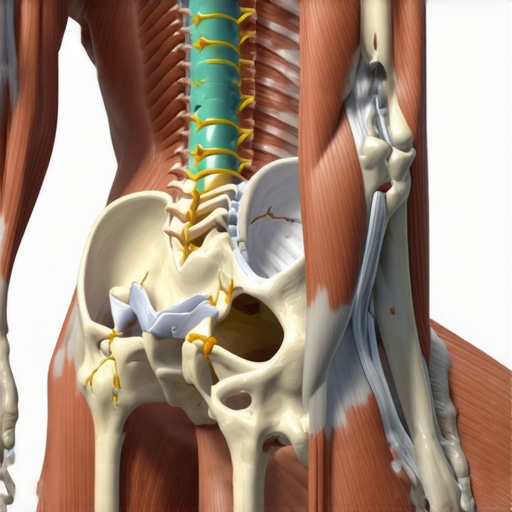
Ever found yourself lying in bed after a long day, only to be greeted by that sharp, shooting pain down your leg? Maybe you stretch, hoping to relieve the discomfort, but instead, the pain lingers or even worsens. I remember a time when I thought more stretching was the answer. Spoiler: it wasn’t. In fact, I was trapping myself in a cycle of frustration trying all the classic remedies, only to feel worse. That lightbulb moment changed everything for me—and could for you too.
Why Our Beliefs About Stretching Might Be Holding Us Back
When I first started experiencing sciatica, I automatically turned to stretching routines advertised everywhere. The logic seemed simple—tight muscles cause pain, so loosening them up should help, right? Well, not exactly. I discovered that blindly stretching my hip flexors and hamstrings often made my symptoms worse. It’s a common mistake, and one I’ve seen many others fall into. The truth is, persistent pain from sciatica isn’t solely about muscle tightness; it’s often about how different parts of our bodies interact and how certain habits create imbalances over time.
Is Your Fixing Effort Doing More Harm Than Good?
Early on, I made the mistake of focusing only on flexibility without considering underlying issues like posture or mobility deficits. This approach might provide temporary relief but often doesn’t address the root cause. Recent research indicates that unnecessary or excessive stretching can irritate nerves and tissues, potentially aggravating sciatic symptoms (source: Sciatica Relief Secrets).
So, if you’ve been frustrated with your current routines, perhaps it’s time to look beyond just stretching. Together, we’ll explore why the common hip flexor trap can sabotage your efforts and what truly effective strategies you can include in your recovery plan. Ready to break free from this cycle and finally find relief? Let’s dive into what’s really going on and how you can start making meaningful progress today.
Prioritize Gentle Movement Over Aggressive Stretching
When I first experienced sciatic pain, I wasted days doing intense hip stretches that only made things worse. Instead, I learned to focus on gentle mobility exercises that target my entire spine and pelvis, not just the affected area. Think of your body like a chain—pulling or stretching one link excessively weakens the entire link. To start, incorporate daily mobility routines from Mobility Mastery which help restore natural movement patterns without irritating nerves.
Step 1: Gentle Mobilization
Begin with basic pelvic tilts and cat-cow stretches, moving slowly and within a pain-free range. For example, lay on your back, knees bent, and gently tilt your pelvis upward and downward. This not only reduces pressure on your sciatic nerve but also promotes blood flow. I once added 5 minutes of this routine every morning, and over a week, I noticed the pain diminishing.
Focus on Posture and Ergonomics
This step is often overlooked but crucial. Your sitting habits and posture significantly influence sciatic nerve stress. I found that adjusting my workspace made a big difference. Use ergonomic tips to align your hips, spine, and neck properly. Think of your posture like a building—if the foundation is uneven, the entire structure becomes unstable. When my desk chair was too low, I experienced increased pain; raising it to match my desk and supporting my lumbar curve eased the discomfort immediately.
Step 2: Optimize Your Sitting and Standing Habits
Take regular breaks to stand and move. Set a timer every 30 minutes to walk around or do a quick stretch. Switching positions prevents prolonged compression of the sciatic nerve. I also found that avoiding crossing my legs helped maintain pelvic symmetry. Incorporate standing desks or adjustable chairs and regularly alternate positions to distribute pressure evenly. For practical tips, explore lifestyle changes that promote spine health.
Strengthen Supporting Muscles
Weak glutes and core muscles can overload your lower back, increasing sciatic symptoms. Focus on foundational exercises like bridges and planks. I added a 5-minute core workout, inspired by core-strengthening routines, to my daily schedule. This not only stabilized my pelvis but also alleviated nerve pressure. Remember, strengthening is about consistency—just a few minutes daily can rebuild resilient support around your spine.
Step 3: Corrective Exercises and Daily Habits
Incorporate targeted exercises like the 90-90 hip shift or dead bug to ensure your pelvis remains properly aligned. Use visual cues, such as mirror feedback or smartphone apps, to check your posture. Avoid repetitive movements that twist or compress the lower back, like reaching excessively forward or twisting while lifting. I learned to lift objects with my legs instead of bending over, which was a game-changer. Explore comprehensive guides like posture and back pain to fine-tune your daily movements.
Rebuild Mobility and Flexibility Gradually
As pain subsides, introduce dynamic stretches like controlled leg swings or standing hip circles. The key is slow progression—never force a stretch beyond your comfort zone. Over time, these movements increase blood flow and restore range of motion, reducing nerve irritation. Remember, patience is vital—rushing can exacerbate inflammation and delay recovery.
Monitor and Adjust
Track your pain levels and mobility progress daily. Use a journal or an app to identify triggers or improvements. If pain spikes, scale back and revisit basic mobility exercises. Don’t hesitate to consult resources like sciatica relief secrets for tailored strategies. Consistent monitoring helps you stay in control and adapt your routine effectively.
Many individuals assume that back pain, sciatica, and neck discomfort are straightforward issues rooted solely in muscle strain or poor posture. However, this oversimplification often leads us astray, causing us to miss the complex interplay of factors involved. Contrary to popular belief, focusing only on stretching or strengthening without considering underlying movement patterns and neurological influences can be ineffective or even counterproductive. For instance, aggressive stretching routines tend to be widely recommended, but in my experience, they can exacerbate nerve irritation if not tailored properly. The key is understanding that pain signals are often warning systems indicating deeper dysfunctions rather than just localized tissue damage.
What do most people fail to see in the big picture of spinal health?
They overlook the importance of **movement quality and nervous system regulation**. Chronic pain often stems from compensatory movement patterns developed over years, leading to imbalances that simple stretches don’t correct. According to research by the Global Burden of Disease Study, improper movement habits contribute significantly to the development and persistence of musculoskeletal pain—yet, most treatment approaches remain narrowly focused. When I started investigating advanced strategies, I found that integrating mobility work with neurological retraining provides far better long-term relief.
Beware of the trap: Is your self-treatment practice causing harm?
Rigidly sticking to popular routines like frequent stretching or foam rolling without professional guidance can reinforce faulty movement patterns or irritate nerves. For example, overemphasizing hamstring stretching in sciatica cases might increase nerve tension rather than alleviate it, especially if underlying pelvic or lumbar stability issues aren’t addressed. Incorporate gentle mobility exercises from credible sources such as Mobility Mastery to promote natural, pain-free movement and avoid aggravating your symptoms.
One insightful note comes from Dr. Stuart McGill, a renowned spinal expert, who emphasizes that improving how your nervous system controls muscle activation and timing often has more profound effects than just stretching or strengthening. This nuanced approach underscores the necessity of targeted, mindful movement to truly resolve persistent pain.
So, next time you’re tempted to spend hours foam rolling or doing passive stretches, pause and assess whether your approach addresses the core dysfunctions. Would you benefit more from a movement quality assessment or neuromuscular retraining? If you’re uncertain, it might be worth exploring comprehensive programs that combine mobility, stability, and nervous system regulation. Curious to learn more? Check out expert mobility tips for advanced strategies.
Have you ever fallen into this trap? Let me know in the comments.Maintaining your spinal health over months and years requires more than just occasional exercises; it calls for dependable tools and a structured approach that can adapt to your evolving needs. One of my go-to methods involves integrating specific mobility aids that support gentle yet effective movement. For example, I rely heavily on foam rollers and massage balls like the tennis ball to target tight muscles and fascia release, which helps prevent chronic stiffness and nerve compression. These tools are inexpensive and portable, making it easy to incorporate into daily routines. I personally use a firm foam roller to roll out tight hip flexors and hamstrings after standing desks or long sitting periods, which significantly reduces sciatic nerve irritation. Pairing this with a handheld mobility stick offers me the leverage to perform dynamic stretches safely at home or in the office. What makes these tools invaluable is their ability to target small, often overlooked tight spots that contribute to long-term pain. Recent research by the American College of Sports Medicine supports incorporating self-myofascial release to maintain tissue elasticity and enhance blood flow, both essential for lasting relief.
Throughout my journey with chronic back pain and sciatica, I realized a powerful truth: the biggest obstacles are often the beliefs we hold about our bodies. These misconceptions can shape our routines and inadvertently keep us stuck in pain cycles. Recognizing and challenging these myths became a turning point in my recovery—and it can be for you too.
What I Wish I Knew About Mobility and Pain Management
- Myth: Stretching Always Helps. I used to believe that more stretching meant faster relief, but I discovered that excessive stretching can irritate nerves and worsen symptoms. Gentle mobility work focused on movement quality rather than aggressive stretching accelerates healing.
- Myth: Pain Equals Damage. Pain is often a warning signal, not necessarily damage. Learning to listen to my body and differentiate between discomfort and injury changed my approach to movement and exercise.
- Myth: Sitting Is the Enemy. While prolonged sitting isn’t ideal, the real issue is poor ergonomics and movement patterns. Regular, mindful adjustments and proper posture make a significant difference in long-term spinal health.
- Myth: Rest Is Always Best. Rest can be helpful initially, but long-term inactivity weakens supporting muscles. Strategic, gentle movement stimulates blood flow and tissue repair, supporting recovery.
Gear Up With Tools That Truly Make a Difference
- Mobility Mastery offers practical routines emphasizing movement quality, perfect for lasting relief. I trust this resource because it emphasizes personalized, gentle progress rather than one-size-fits-all techniques.
- Self-myofascial release tools like foam rollers and tennis balls, featured in simple exercises that make a difference, have been game-changers in my daily routine. They help release tight fascia and reduce nerve irritation without overdoing it.
- Ergonomic tweaks from enhance your back mobility saved me from recurring discomfort. Proper setup was a revelation—I’s like giving my spine a gentle pat every day.
Create Momentum and Embrace Change
The real shift happened when I stopped looking for quick fixes and started building sustainable habits. Consistency over intensity pays off. I encourage you to incorporate gentle mobility, ergonomic awareness, and supporting tools into your daily routine. Remember, progress doesn’t have to be perfect; it just has to be persistent.
Your Next Step Toward Freedom from Pain
Finding relief from back pain, sciatica, and neck discomfort isn’t about magic—it’s about understanding your body, challenging misconceptions, and taking small, intentional steps every day. The journey might be gradual, but every effort counts towards a healthier, more comfortable life.
What’s one myth about back health that you once believed, and how has your perspective changed? Share your story below—I’d love to hear about your experience and support your progress.