
The One Hip Stretch That Relieves Pressure on the L5-S1 Disc
I remember the exact moment I realized I couldn’t keep living with that relentless dull ache in my lower back. One morning, as I tried to bend down to tie my shoelaces, the pain shot through my hip like a lightning bolt. Frustration and fatigue washed over me. It wasn’t just about the discomfort; I felt trapped in my own body, watching my mobility slip away little by little. That lightbulb moment led me to discover a simple yet powerful hip stretch that relieved pressure on my L5-S1 disc, transforming my daily life.
Why so many of us ignore the root cause of back pain
The truth is, many of us suffer silently, shrugging off nagging hip and lower back pains as mere inconveniences. But what if I told you that a tiny, overlooked movement could be the game-changer you’ve been searching for? I used to spend hundreds on treatments that only offered temporary relief. What truly made a difference was understanding how tight hip muscles pull on the lower spine, aggravating disc pressure. Once I incorporated targeted stretches into my routine, not only did my pain decrease, but my overall mobility skyrocketed.
Is the hype about hip stretches worth trusting?
I’ll admit, I was skeptical at first. For years, I believed if I just strengthened my core or avoided certain movements, I’d be fine. I made the mistake early on of neglecting the importance of flexible hips, assuming they weren’t related to my disc issues. That assumption almost kept me in a pain loop. It wasn’t until I consulted experts and tested different techniques that I found relief. If you’re tired of fleeting fixes, understanding the right hip stretch — one that targets the pressure points on your lower back — might be what finally works for you. Curious? I’ll guide you through the exact movement I swear by, backed by expert strategies you can learn more about at [conquering sciatic pain](https://bodyrenewtherapy.com/conquering-sciatica-proven-approaches-to-end-discomfort-now).
Have you ever experienced that bone-deep strain that disrupts your whole day? If so, you’re not alone. Stay with me, because what I’m about to share could be the breakthrough you need to regain your freedom of movement and say goodbye to persistent back discomfort.
Start With the Proper Positioning
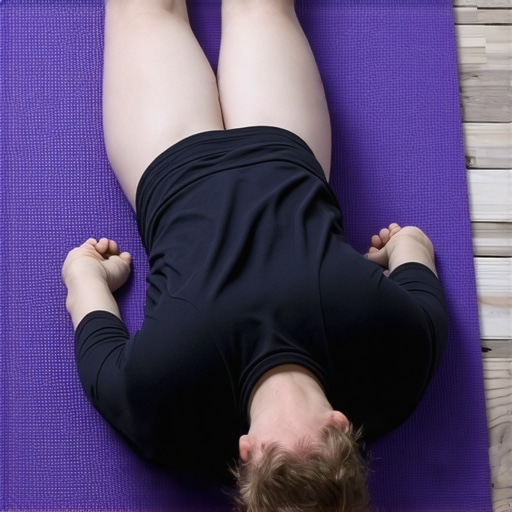
Place yourself on a comfortable, flat surface, such as a yoga mat, with your hips and knees bent at 90 degrees. Lie on your back, ensuring your back is flat against the ground. This position isolates your hips, making it easier to target tight muscles that contribute to back pain. I remember a time I attempted this stretch while sitting on my bed, which made it harder to maintain proper form, resulting in minimal relief. Switching to a stable floor surface made a significant difference.
Engage in the Basic Hip Flexor Stretch
From your starting position, gently pull one knee towards your chest while keeping the other leg flat on the ground. Hold the knee with both hands, gently pulling it closer until you feel a stretch in your hip and front thigh. This movement helps loosen the hip flexors, which, if tight, pull on your pelvis and increase lower back stress. I applied this stretch after a long day of sitting and noticed immediate relief the next morning, proving its effectiveness.
Adjust Your Technique for Better Results
To deepen the stretch, slightly tilt your pelvis backward by tightening your abdominal muscles. Avoid arching your lower back excessively, as that can negate the benefits. During a session, I initially overextended my lower back, which was counterproductive. Focusing on maintaining a neutral spine and engaging my core improved my stretch depth without discomfort.
Incorporate Dynamic Movements
Once static stretching becomes comfortable, add gentle movements like leg swings. Stand upright and swing each leg forward and backward, slowly increasing the range as your hips loosen. This dynamic approach mimics natural motion, helping to improve flexibility and functional mobility. I remember doing this after work and feeling looser in my hips and lower back, which minimized pain during daily activities.
Follow Up With Targeted Strengthening
Complement your stretches with core strengthening exercises to stabilize your spine. A strong core supports your lower back and prevents future tightness. Exercises like planks or dead bugs are excellent choices. My experience shows that combining flexibility routines with strength training creates a balanced approach, reducing pain recurrence over time.
Maintain Consistency for Lasting Relief
Integrate these stretches into your daily routine, ideally morning and evening. Consistency is key; sporadic efforts yield limited benefits. For example, dedicating five minutes daily transformed my mobility and significantly decreased my back pain over weeks. Remember, patience and persistence are vital for long-term results.
Be Mindful of Your Body’s Signals
If any movement causes sharp pain or discomfort, stop immediately. Adjust your technique or consult a healthcare professional. I learned the hard way that pushing through pain can worsen symptoms. Listening to your body ensures safe progress and sustainable relief.
Many individuals believe that back pain is solely a structural issue, but in reality, it often involves nuanced factors influencing pain perception and recovery. One common misconception is that pain always signals serious damage requiring aggressive interventions. However, research shows that pain can persist even after the injury has healed, highlighting the importance of understanding nerve sensitization and central sensitization processes. For example, a study in the *Journal of Pain* explains how the nervous system amplifies pain signals, leading to chronic discomfort without ongoing tissue damage, which is a common trap patients fall into when seeking quick fixes.
Why does correcting posture alone often fail to resolve chronic back pain?
Many assume that aligning the spine or fixing posture will eradicate pain, but this ignores the complex interplay between muscle memory, neuroplasticity, and psychological factors like fear-avoidance beliefs. Overemphasizing posture correction might even lead to increased tension and frustration if pain persists despite proper alignment. Instead, integrating movement variability and addressing emotional factors can produce more sustainable relief. For comprehensive strategies, consider exploring expert approaches at Uncovering sciatic relief techniques. Additionally, adjusting your understanding to recognize the role of soft tissue restriction, nerve entrapment, and movement dysfunction can help avoid common pitfalls. An important nuance is that many people overlook the significance of subtle muscular imbalances that develop over time and influence biomechanics, which are best addressed through targeted mobility and strengthening routines. Incorporating these insights can prevent the cycle of temporary fixes and lead to lasting relief. Have you ever fallen into this trap? Let me know in the comments.To keep your back healthy and mobile over the years, investing in the right tools can make a significant difference. Personally, I swear by a high-density foam roller for my myofascial release routine. It helps break down scar tissue and releases muscle knots that can develop from daily strain, ensuring I stay flexible and reduce pain. I use the TriggerPoint GRID foam roller because of its durability and textured surface, which mimics the feeling of a massage therapist’s hands. Regular use has prevented my back from tightening up, especially after intense workouts or long periods of sitting.
Another essential tool is a quality lumbar support pillow for your chair. I prefer the ergonomic memory foam cushion, which contours seamlessly to my lower back, encouraging proper posture during extended desk hours. Proper positioning is key {https://bodyrenewtherapy.com/understanding-the-link-between-poor-posture-and-chronic-back-pain} and a good pillow ensures you maintain those healthy spinal curves. It’s a simple addition that prevents the progression of back pain and keeps long-term health on track.
For my stretching routines, I recommend resistance bands. They’re versatile and portable, allowing you to perform assisted stretches and strengthening exercises. I regularly incorporate the TheraBand into my routine, focusing on hip mobility and core stability. These bands help me enhance flexibility and control, crucial factors in avoiding future injury or degeneration.
Beyond physical tools, software apps can aid in maintaining consistency. Apps like Sworkit or FitOn offer guided mobility and strength routines tailored for back health. I particularly appreciate their reminder features that keep my daily practice on schedule. Consistency is vital, and these digital companions help me stay accountable.
Looking toward the future, technological advancements like smart wearable sensors could provide real-time feedback on posture and movement, making injury prevention even more personalized. Wearables could detect subtle imbalances before they develop into pain—a promising frontier for maintaining mobility.