
The One Movement to Avoid When You Have a Herniated Disc

It was a morning like any other, but as I reached down to grab my shoe, a sharp twinge shot through my lower back. Instantly, I knew I had crossed a line—one I had desperately tried to avoid. That moment of misjudgment was a lightbulb moment for me: I had been unknowingly performing the single worst movement for my herniated disc.
Why One Simple Movement Can Make All the Difference
If you’re living with a herniated disc, chances are you’ve experienced that nagging fear—will this pain ever go away? Or worse, are you unknowingly making it worse? I want to share what I learned the hard way: there is one movement you absolutely must stop doing if you want to heal and regain mobility. I found out the hard way that overlooking this can turn a manageable injury into a chronic pain saga. The good news? Understanding this one movement and how to avoid it can be a game-changer. Today, I’ll help you identify that movement and show you practical alternatives, with insights from experts like Body Renew Therapy.
Is Spraining Your Back Worth the Risk?
Early in my journey, I made a common mistake: I thought I could push through pain—bad idea. That misconception, coupled with a lack of proper knowledge, led me to perform movements that exacerbated my herniation. It’s easy to dismiss warning signs or underestimate the impact of certain actions, but the reality is that one wrong move can delay your recovery significantly. If you’ve ever wondered whether a specific movement could be your culprit, you’re not alone. Narrowing down these risks is essential to avoid setbacks and start moving toward healing.
So, are you ready to discover which movement is sabotaging your progress? Keep reading, because the next section will expose this risky movement and show you how to sidestep it with safer, smarter choices. Remember, taking control now can save months of suffering later—and I speak from personal experience.
Focus on Your Posture Throughout the Day
My first step was to critically evaluate how I sat, stood, and moved. I replaced my habitual slouch with a tall, aligned posture—shoulders back, chin slightly tucked. This small adjustment reduced the pressure on my herniated disc significantly. Think of your spine like a stack of books; if one leans or shifts, the entire structure suffers. Regularly checking your posture, especially during prolonged sitting, is crucial. To reinforce good habits, practice the ergonomic tips to optimize your workspace. Consistency is key, and even tiny, mindful corrections can lead to improved mobility over time.
Implement Gentle Mobility Exercises
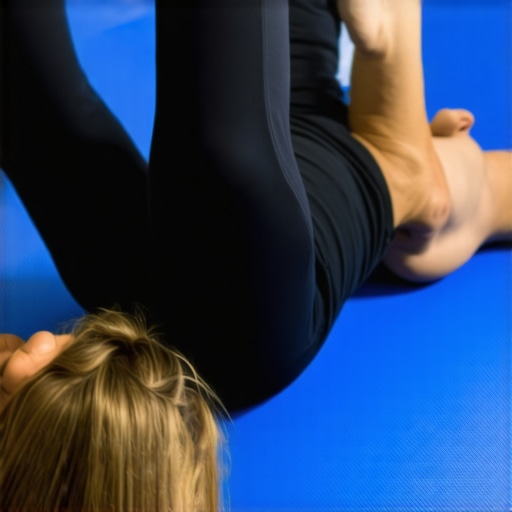
Next, I integrated gentle movements into my daily routine, focusing on restoring flexibility without aggravating pain. I started with pelvic tilts—lying on my back, knees bent, slowly rocking my pelvis to flatten and arch my lower back—mimicking the motion of a gentle wave. This exercise acts like a reset button, helping relieve pressure and promote healing. I found doing 10 repetitions every morning made a noticeable difference. For a comprehensive guide, exploring exercises like the simple mobility drills can be invaluable. Remember, avoid aggressive stretching; focus on smooth, controlled movements to prevent worsening your herniation.
Prioritize Core Strength Sparingly
Building core strength provides stability, but the wrong exercises can worsen herniation. Instead of sit-ups or crunches, I targeted deep core muscles with residual, safe techniques. The plank, performed correctly, engages your transverse abdominis—your spine’s natural corset—without excess strain. I kept my planks short, focusing on form: neutral neck, tight abs, and hips aligned. Overdoing it can cause more harm than good, so I incorporated these routines cautiously, aiming for quality over quantity. For detailed guidance, see the wall drill or similar core stability methods. Always listen to your body and stop if discomfort increases.
Use Proper Lifting Techniques
Lifting heavy objects or even bending to pick up groceries can be dangerous. I adopted a simple technique: bend at the hips and knees, not the waist. Imagine lifting a box like a squat, keeping the object close to your body, with a flat back. During a recent move, I first practiced this method with a light box, gradually increasing weight as my strength and confidence grew. This approach acts like an insurance policy for your spine. If you’re unsure, check out expert tips on safe lifting. Remember, avoiding sudden twists and maintaining core engagement are essential.
Active Rest and Avoiding Harmful Movements
Rest is vital, but complete immobility can prolong stiffness. I adopted active rest—gentle walking and light stretching—avoiding movements that trigger sharp pain. One movement I had to eliminate was reaching overhead with force or twisting sharply, as it can irritate the herniation further. A helpful analogy is thinking of your spine as a delicate chain; each movement should be deliberate and within your safe range. Implementing mild activities enhances blood flow and accelerates healing. To identify risky motions, consult professional strategies tailored for disc health.
Many assume that the common advice on back and neck pain is only surface-level, but as an expert in mobility and pain relief, I can tell you there’s a deeper layer often missed. One widespread myth is that any pain signals damage necessitating complete rest. In reality, prolonged inactivity can weaken supporting muscles, leading to worse issues over time. Another misconception is that pain associated with herniated discs always indicates urgent surgery; however, studies show that conservative approaches, including targeted mobility exercises and ergonomic adjustments, often yield better long-term results.
I’ve observed many fall into the trap of thinking that stretching is universally beneficial. While gentle mobility is essential, aggressive or incorrect stretching can exacerbate conditions or cause new injuries. For example, deep hamstring stretches for a herniated disc can sometimes increase nerve tension, worsening sciatica symptoms. Always tailor your approach to your specific condition—here’s a simple mobility guide that emphasizes safe, effective movements.
Are Your Habits Sabotaging Your Recovery?
One of the most overlooked nuances is the role of daily habits in either hindering or supporting healing. Slouching at your desk, improper lifting, or even how you sleep can significantly impact recovery timelines. For instance, many believe that heavy lifting always damages the spine; in truth, improper technique, not load weight, is often the culprit. Learning correct lifting practices, like bending your hips and knees, safeguards your discs. Check out this posture adjustment strategy for everyday ergonomics.
Furthermore, avoidance of subtle movements is another trap. Remaining static for hours increases stiffness and hampers circulation, delaying healing. Gentle, controlled movements, even on days you feel pain, promote blood flow and nutrient delivery to tissues. For a comprehensive plan, review these mobility drills tailored for back health.
In the realm of neck pain and sciatic issues, many believe that pain should be ignored or suppressed with pills. But pain is a valuable signal, guiding us toward harmful behaviors. It’s crucial to listen carefully and address the root causes rather than just symptoms. For neck pain relief techniques that work, explore this advanced strategy designed for quick recovery.
Remember, acknowledging these nuanced truths about back, neck, or sciatica pain can revolutionize your approach, leading not only to pain reduction but also to lasting mobility. If you’ve ever fallen into any of these traps, let me know in the comments. Your journey toward pain-free living begins with awareness.
The Right Tools Make All the Difference
Maintaining your back and neck health over the long term requires more than just good posture and exercise; it hinges on using the right tools consistently. I personally recommend investing in a high-quality foam roller, like the RumbleRoller, which allows you to perform self-myofascial release techniques that break down adhesions and improve mobility. Regularly rolling your glutes, hamstrings, and lower back helps prevent stiffness and preemptively reduce pain. Additionally, a simple tennis ball can be a game-changer for targeting deep glute and piriformis tension that often contributes to sciatica flare-ups.
For ergonomic support, I swear by adjustable sit-stand desks that promote movement throughout the day. Alternating between sitting and standing prevents prolonged static posture, a common culprit in chronic discomfort. Incorporating an ergonomic footstool under your desk can also help maintain proper pelvic alignment, reducing strain on your lumbar discs. Clear organization of your workspace, including monitor height adjustments, minimizes neck strain and keeps your cervical spine in a safe range. As I often emphasize in ergonomic tips, small adjustments here and there compound into long-term benefits.
Tools for Effective Maintenance
Beyond physical tools, digital solutions can support your journey. I rely heavily on mobility tracking apps that remind me to take short breaks, perform mobility drills, or posture checks. Devices like the Upright GO posture trainer provide real-time feedback, encouraging better habits without constant self-monitoring. Incorporating guided exercises from reputable sources ensures you’re progressing safely and effectively. For example, the simple mobility drills I follow daily reinforce gentle movement, which is vital for long-term health.
Part of Keeping It Working Is Staying Prepared
Equipment alone isn’t enough—you need a routine for regular maintenance. Schedule weekly foam rolling and mobility sessions, and revisit ergonomic setups every few months. Keep a small kit with essentials like a tennis ball, foam roller, and lumbar support cushion at hand. These small, consistent actions prevent the accumulation of tension and disuse atrophy, which can set back recovery. Looking ahead, the trend in back health is moving toward smart sensors that can monitor posture and movement patterns in real time, providing personalized feedback to optimize your habits continually.
How Do I Keep My Back and Neck Healthy Over Time?
Long-term maintenance means cultivating habits that integrate mobility, proper ergonomics, and mindful movement into your daily routine. Don’t wait until discomfort appears; proactive care is key. Incorporate daily gentle mobility exercises, like the simple drills, that target your specific zones of tension. Periodic self-assessments and ergonomic audits help ensure your tools and habits evolve with your needs. For instance, adjusting your monitor height as your work-from-home setup changes can prevent neck strain. Remember, consistency outperforms intensity—small, regular maintenance routines keep you moving without setbacks. I recommend trying the 10-second posture check each time you email or switch tasks; it’s a simple step that sustains long-term health and mobility.
Ultimately, the goal is to create a sustainable system. Invest wisely in quality tools, stay disciplined with maintenance routines, and keep abreast of emerging technologies that could personalize your care further. For tailored advice, don’t hesitate to reach out for expert guidance. Your spine will thank you for making these strategies a permanent part of your wellness journey.

Throughout my journey managing herniated discs and chronic neck issues, I discovered that the path to lasting relief goes far beyond quick fixes or generic advice. One profound lesson I learned is that healing involves deep self-awareness and personalized strategies. For example, realizing that a simple habit like slouching while working can undo weeks of proper exercises was a game-changer. Recognizing these subtle patterns and actively correcting them created breakthrough moments in my recovery, and I want the same for you. Delving into your daily routines and habits can reveal hidden culprits that impede mobility and prolong discomfort.
Lessons the Textbooks Don’t Reveal
- One of my hardest lessons was understanding that pain signals are guides, not enemies. Ignoring them by pushing through often leads to setbacks. Instead, I learned to listen actively and adjust my movements accordingly, which accelerated my healing process.
- The misconception that all stretching helps my herniation was a falsehood I had to unlearn. Proper, targeted mobility routines—like those outlined in this guide—proved far more effective than aggressive stretching.
- I discovered that strengthening the core isn’t about doing hundreds of sit-ups but focusing on gentle, deep activation exercises. This nuance made my core more resilient without risking aggravation, emphasizing quality over quantity.
- Another invaluable insight was the importance of environmental ergonomics. Small tweaks like adjusting my chair and monitor height, borrowed from expert recommendations, compounded into significant improvements in daily comfort.
Tools That Transformed My Approach
- A high-quality foam roller became a staple, helping me release fascia and improve movement. I recommend the simple mobility drills for consistent, safe progress.
- Guided apps that remind me to maintain posture and incorporate mobility habits made the routine sustainable. Devices like the Upright GO helped me develop better habits without constant conscious effort.
- Investing in an ergonomic sit-stand desk allowed me to vary my posture throughout the day, which proved crucial in avoiding stiffness and promoting circulation. Small tools can make a big difference over time.
Keep Moving, Keep Improving
The most vital message I can share is that recovery is a continuous journey. Regularly updating your routines, being mindful of habits, and embracing new strategies rooted in expert advice ensure long-term success. Remember, proactive care today builds resilience for tomorrow. If you’re ready to take control, explore these expert tips and make your mobility a priority. Your future self will thank you for the actions you take now.
Awaken Your Inner Mobility Warrior
Staying active and attentive to your body’s signals isn’t just about alleviating pain—it’s about empowering yourself to live fully. Trust that small, consistent efforts create profound change. The journey toward pain-free mobility begins with awareness and commitment. Are you ready to embrace these insights and redefine your health journey? Let me know below if you’ve identified habits or movements that affected your recovery so far, and share your progress!