
The Pelvic Clock Exercise for Improving Lower Back Fluidity
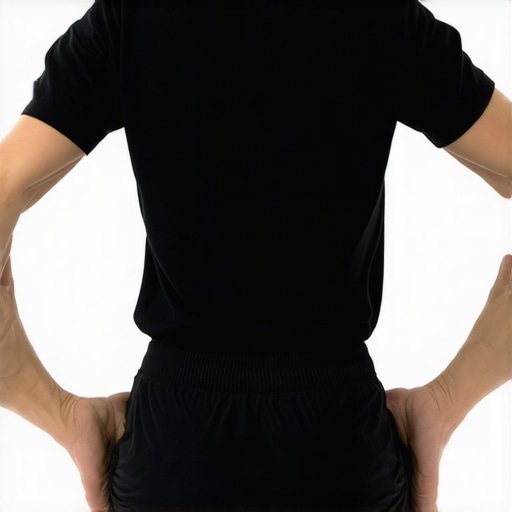
Have you ever experienced that sudden rush of frustration when bending down to tie your shoes leaves you with a sharp ache or a stiff, aching back that just won’t let up? I remember those mornings vividly, feeling stiff as a board and wondering if I was destined to live with this discomfort forever. One day, in the midst of a particularly painful episode, I had a lightbulb moment. It hit me—perhaps the key to easing my lower back pain wasn’t just stretching or strengthening but restoring fluidity to my pelvis and spine. That’s when I discovered the Pelvic Clock exercise, a simple yet game-changing movement that transformed my mobility and quality of life. If you’re tired of stiffness and want to regain the freedom to move without pain, you’re in the right place.
Why Restoring Pelvic Fluidity Changed My Life
Is Your Back Pain Actually a Symptom of Stiffness?
Early on, I made the mistake of ignoring the subtle signs of pelvic and spinal stiffness, thinking consistent stretching alone would suffice. But I didn’t realize that trapped tension and uneven movement patterns were the root causes of my discomfort. Over time, I learned that actively guiding my pelvis through gentle, controlled movements could make a significant difference. This realization brought me to the Pelvic Clock exercise, which involves moving your pelvis as if on the face of a clock—rotating and tilting to mimic natural, fluid motion. This practice helps improve joint lubrication, blood flow, and muscle coordination, all of which are essential for a healthy, pain-free back.
Research supports that improving joint mobility can have lasting effects on pain levels and functional movement. A study published in the Journal of Bodywork and Movement Therapies emphasizes how gentle rotational exercises can restore movement patterns and decrease pain in chronic lower back issues.
Now, I want to ask—have you ever felt that your back movements are limited, or that everyday activities become chores instead of simple tasks? If so, the Pelvic Clock might just be the secret weapon you need. In the next sections, I’ll walk you through why this exercise works and how to get started. Trust me, once I integrated it into my routine, I experienced a newfound freedom to move—no more stiff mornings or nagging pain. Ready to get your fluidity back? Let’s dive in.
Get Comfortable Moving Your Pelvis with Precision
Start with a Gentle Warm-Up
Before diving into the Pelvic Clock, I remember a morning when I hesitated, feeling tight and stiff. I stood in my living room, took deep breaths, and slowly rocked my pelvis side to side, just like swaying a paddle in water. This warm-up helped loosen the muscles and made the subsequent movements smoother. Always begin with slow, controlled motions to prevent overexertion and injury.
Visualize the Pelvic Clock
Picture your pelvis as the face of a clock—12, 3, 6, 9, and everything in between. I once spent five minutes lying on my back, placing my hands on my hips, imagining moving each point gently around this clock face. This mental map guides precise rotations. This approach enhances proprioception—your body’s awareness of its position—and improves control during the exercises.
Perform Rotations Just Beyond Comfort
Start rotating your pelvis clockwise, aiming to move through a comfortable range. I found that moving a little further each day, without pain, increased fluidity over time. Keep your shoulders relaxed and avoid arching your back excessively. Think of your pelvis as a steering wheel—gentle, deliberate turns promote better joint lubrication and blood flow.
Tilt and Tuck with Purpose
Next, tilt your pelvis forward and backward, like tipping a bowl. I once practiced in front of a mirror to ensure I was tucking my tailbone under gently, then arching slightly. These tilts help reset your lumbar curve, easing tension. Incorporate these movements into your routine multiple times daily for sustained relief.
Synchronize Movements to Breathing
Breathing deeply while moving enhances relaxation. When I synchronized a slow inhale during tilt, and exhale during rotation, I noticed my muscles relaxed more effectively. This pairing reduces tension and encourages fluid motion, mimicking the natural dynamics of your spine.
Use Supported Positions for Deepening Mobility
Lying on your side or back with cushions supporting your knees can deepen your comfort zone. I discovered that placing a pillow under my knees during exercises prevented unintended strain and increased the ease of movement, especially if your hips or lower back are tight. Modulate your positions to find what best suits your anatomy.
Integrate Into Your Daily Routine
Consistency is key. I committed to five minutes every morning and evening. This could be as simple as rotating your pelvis in bed before getting up, or during breaks at work. Over time, I felt my spine becoming more adaptable, and my mornings less stiff. For more comprehensive back care, consider integrating ergonomic tips and additional mobility exercises from this guide.
Many individuals assume that pain, especially in the back or neck, is primarily due to muscle weakness or structural damage. However, a nuanced understanding reveals that mobility issues often stem from chronic maladaptive movement patterns and joint stiffness rather than just tissue injury. For instance, it’s a common misconception that massive stretches are the answer; in reality, targeted joint mobilization, like practicing the Pelvic Clock, can significantly enhance function and reduce pain. Overlooking the importance of subtle biomechanical nuances can lead to persistent discomfort despite rigorous stretching routines. An advanced mistake is trying to force movement beyond one’s current capacity, risking injury and compounded stiffness. Instead, refined control and proprioceptive exercises are more effective for long-term relief. According to Dr. Stuart McGill, a leading back expert, restoring natural movement patterns and joint health is crucial rather than isolating muscles alone. This emphasizes that addressing mobility is about restoring fluid joint mechanics, not just strengthening or stretching. Are you aware of how your daily habits might reinforce these myths? Reassessing your approach can unlock new levels of comfort. For example, integrating simple exercises like the Pelvic Clock into your routine can ‘rewire’ your movement habits and diminish pain triggers. For more insights into nuanced mobility strategies, explore this guide. Remember, small, consistent adjustments in how you move can dramatically change your pain experience. Stay vigilant about avoiding traps of oversimplification and focus on restoring joint fluidity—your back will thank you. Have you ever fallen into this trap? Let me know in the comments.Maintaining your spinal mobility and reducing pain over the long term requires more than just periodic exercises; it demands the right tools and consistent habits. One of my favorite devices for ongoing care is a quality foam roller. I personally prefer a dense, grid-pattern foam roller because it effectively targets deep muscle knots in the lower back and hips, which are often culprits behind sciatica flare-ups. Regular use helps break down adhesions, improve tissue elasticity, and promote blood flow, all contributing to lasting relief. When I incorporate daily rolling sessions—especially after workouts—I’ve noticed sustained improvements in flexibility and pain resilience.
Another game-changer is a tennis ball, which I use for self-myofascial release on stubborn trigger points that a foam roller might miss. Placing the ball against a wall or on the floor, I gently press into tight areas around the pelvis and hips, encouraging the fascia to relax. This targeted approach can decompress nerve pathways and ease sciatica symptoms effectively.
Beyond physical tools, leveraging technology can enhance your progress. I recommend apps like Physiapp, which provides guided mobility routines tailored to back health. These apps often include videos demonstrating precise movements—crucial for preventing injury and ensuring you’re doing exercises correctly. Personally, I sync my smartphone with a Bluetooth speaker during routines to have hands-free guidance, preventing distractions and keeping me focused.
As for software, tracking your mobility and pain levels using a simple digital journal can reveal patterns and help your therapist or practitioner fine-tune your program. I log sensations, intensity, and frequency of discomfort, which informs better adjustments. Consistency, combined with these tools, creates a feedback loop fostering long-term success.
Looking ahead, the trend seems to be moving toward smart devices that monitor movement and provide real-time feedback. Wearables like biofeedback sensors can alert you when your posture deviates or if you’re slouching—actions that often undo months of work. This innovative direction promises more personalized, responsive care, allowing us to catch and correct issues before they escalate.
How do I keep my mobility routines effective over time? The secret lies in regular maintenance and educating myself on proper techniques. For example, supplementing the physical tools with ergonomic adjustments at work—like proper desk height and monitor placement—can compound benefits. My advice? Incorporate a simple daily check-in with your tools, such as rolling for five minutes after waking or using a physiotherapy app mid-day, and stay committed. These small, consistent steps create a resilient foundation for long-term back health.
To get started, try integrating a targeted self-myofascial release session with your tennis ball after your daily walk. It’s an affordable, effective way to maintain those hard-to-reach tissues and prevent stiffness from creeping back. Remember, the key to lasting results is consistent, mindful upkeep of your mobility meditations and tools. If you’re serious about sustained back health, explore more comprehensive strategies at this resource and keep your progress on track.
When Less is Often More: The Surprising Power of Gentle Movements
One of the most impactful lessons I learned was that aiming for aggressive stretches or intense workouts sometimes worsens mobility issues. Instead, focusing on slow, controlled movements—like the Pelvic Clock—can unlock more freedom and reduce pain. This taught me that patience and mindful movement often trump brute force in healing back discomfort.
Listening to Your Body: The Key to Sustainable Relief
Early on, I ignored subtle signals from my body, pushing through discomfort and risking injury. Over time, I realized that tuning into sensations and adjusting exercises accordingly prevents setbacks. Cultivating this awareness helps create a personalized approach, ensuring that mobility practices serve you without harm.
Myth Busting: Why Not All Stretches Are Created Equal
I used to believe that more stretching meant faster recovery. However, I found that targeted joint mobilization—like rotating the pelvis—had a more profound effect on pain reduction and function. Recognizing this shifted my entire approach to back health, emphasizing quality over quantity in my routines.
Seizing Small Opportunities for Change
Incorporating simple, daily movements, such as tilting and rotating the pelvis during routine tasks, gradually built resilience. These small, consistent efforts compounded over time, illustrating that even minor adjustments can lead to major improvements in mobility and comfort.
Curated Resources to Deepen Your Mobility Journey
From my experience, having reliable tools and trusted guidance accelerates progress. The [simple exercises that make a difference](https://bodyrenewtherapy.com/boost-your-back-mobility-simple-exercises-that-make-a-difference) provided essential insights into maintaining consistency. Additionally, exploring [longer-term strategies](https://bodyrenewtherapy.com/mobility-mastery-daily-tips-to-keep-your-spine-and-joints-healthy) helps reinforce new habits and prevent setbacks.
Embrace Your Power to Change
Your journey to pain-free movement is uniquely yours. By applying these lessons—listening to your body, trusting the process, and staying committed—you can reclaim control over your back health. Remember, every small step matters, and the freedom to move comfortably is within your reach. Are you ready to start incorporating mindful mobility into your daily routine? Share your experiences below—I’d love to hear how small changes have made a difference for you!
,