
The Pelvic Tilt Fix for Chronic Sciatica Flares
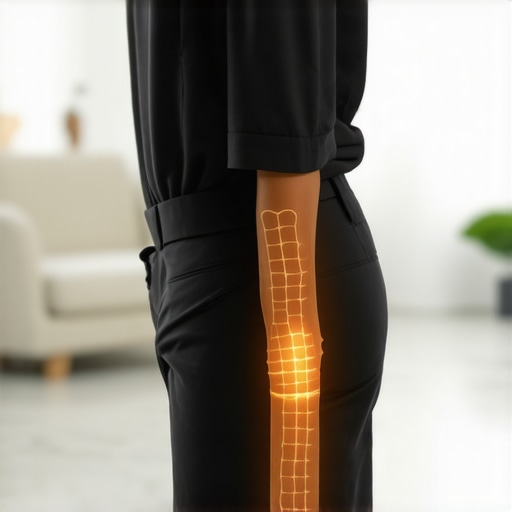
I remember the exact moment I realized I needed to change something about my approach to managing my sciatic pain. Sitting in my living room, miserable after yet another flare, I felt a surge of frustration—why does this keep coming back? That episode was a lightbulb moment for me. I finally understood that my body was sending signals, loud and clear, that I was neglecting a crucial piece of the puzzle: my pelvic alignment.
If you’ve ever experienced that deep, gnawing pain radiating down your leg, especially during a flare, you know it’s not just a nuisance — it’s an all-consuming feeling that affects every part of your day. But what if I told you that a simple adjustment in your posture and some targeted exercises could make a significant difference? Today, I want to share a solution that helped me find relief and regain my mobility.
Why Pelvic Alignment is the Key to Ending Sciatica Flare-Ups
Many sufferers overlook the impact of pelvic tilt on nerve compression and muscle tension. When your pelvis tilts forward or back excessively, it throws off your entire spinal posture, leading to increased pressure on your sciatic nerve. I used to think that stretching my hamstrings or taking painkillers was enough—until I realized I was missing the root cause.
By paying attention to my pelvic position and learning how to correct its tilt, I discovered an effective way to reduce inflammation and nerve irritation. And the best part? It’s something you can start doing from your own home, with just a few simple movements.
But I have to admit — early on, I made a critical mistake: I tried to fix my pain by focusing solely on my back muscles. It turned out I was neglecting my hips and pelvis entirely, which only prolonged my discomfort. Recognizing this shift was essential, and it made all the difference.
So, if you’re tired of battling recurring sciatic flares and ready to target them at their source, keep reading. I’ll guide you through proven strategies to restore your pelvic alignment and, ultimately, reclaim your life.
Is Pelvic Tilt Fix Really Worth the Hype?
This question often crosses minds because, let’s be honest, after years of searching for relief, skepticism is natural. Not every tip works for everyone, and some claims about ‘miracle cures’ can be misleading. I remember thinking, “Will this really help, or is it just another placebo?” when I first heard about pelvic tilt exercises.
The truth is, it’s all about consistency and understanding your body. I’ve seen firsthand how neglecting this aspect can keep pain stubbornly alive. For more insights on common mistakes that hinder sciatica recovery, check out [this article](https://bodyrenewtherapy.com/understanding-the-link-between-poor-posture-and-chronic-back-pain). Most importantly, ensuring you’re doing the right kind of movements without harming yourself is crucial — a mistake I made early on, which only delayed my healing process.
Are you ready to explore how adjusting your pelvic tilt can dramatically reduce your sciatic symptoms? Let’s dive into the specific steps that turned my pain around and can do the same for you.
Adjust Your Pelvic Position with Precision
Start by identifying your anterior or posterior tilt. Lie on your back with knees bent, feet flat on the floor. Place a small book or a foam roller under your pelvis to feel the tilt. Gently tilt your pelvis backward and forward, focusing on the sensations. Over time, develop awareness of neutral alignment—your pelvis should feel level and stable, not tipped forward or back.
During my messy, sweat-drenched first attempt, I struggled to keep my pelvis level, often overcorrecting or slipping into a different tilt. But persistence paid off. Once I maintained a neutral position consistently, I noticed fewer sciatic twinges and better mobility.
Implement Targeted Strengthening Exercises
Bridge Pose
Lie on your back with knees bent, feet hip-width apart. Press through your heels to lift your hips, engaging your glutes and core. Hold for 3-5 seconds, then slowly lower. This move stabilizes your pelvis from below and strengthens the posterior chain. I added this to my routine thrice weekly, and within two weeks, my pelvic control improved visibly.
Pelvic Tilts
Kneel or lie on your back. Gently flatten the small of your back against the floor by engaging abdominal muscles, tilting your pelvis upward. Release and repeat. Doing 10 reps daily helped me regain pelvic awareness and reduced flare-ups.
In my experience, these exercises function like tuning a guitar string—balance must be carefully maintained. Doing too much too fast caused soreness, so gradual progression is key.
Incorporate Postural Awareness into Daily Movements
Pay attention to how you sit during work or leisure. Use a chair with lumbar support or a rolled towel to maintain the natural curve of your lower back. When standing, distribute weight evenly and avoid leaning to one side. During my office hours, I set timers to remind me to correct my posture, preventing the pelvis from slipping into unhealthy tilts.
Curiously, I discovered that adjusting my sleeping posture—using a firm pillow and sleeping on my side—further supported my pelvic health. For detailed sleep positions that can aid recovery, explore these strategies.
Maintain Consistency and Mindful Movement
Like any habit, correcting pelvic tilt requires patience. I kept a simple journal to track progress and noticed subtle improvements over weeks. Remember, avoiding sudden movements or overstretching prevents aggravating sciatic nerves. Think of your pelvis as the foundation of your house—if it’s tilted, everything else becomes unstable.
Engage in daily routines that reinforce alignment—like mindful walking or gentle yoga. If you’re unsure about techniques or experience persistent pain, consulting a professional can ensure exercises are safe and effective. Discover more about typical pitfalls here.
 Many people believe that back pain, sciatica, and neck discomfort are solely caused by muscle strain or poor posture, but this oversimplification can be misleading. One widespread myth is that “all pain comes from tight muscles,” which leads many to focus exclusively on stretching. However, according to a study published in the Journal of Orthopaedic & Sports Physical Therapy, muscle tightness often results from underlying issues such as joint restriction or nerve irritation, not the root cause itself. Overemphasizing stretching without addressing structural imbalances may worsen symptoms or create new problems.
Another mistake is assuming that rest is always beneficial. While taking a break can help reduce acute inflammation, prolonged inactivity weakens supporting muscles and hampers recovery. Active movements and tailored exercises, like those detailed in our articles on restoring mobility, are typically more effective for long-term relief.
A hidden nuance many overlook is the impact of pelvic alignment on nerve health. Correcting pelvic tilt isn’t just about posture; it directly influences the tension on your sciatic nerve. Neglecting this aspect can trap you in a cycle of flare-ups despite doing all the usual stretches. For a deeper dive into this topic, explore our guide on “[Back Pain Breakthroughs](https://bodyrenewtherapy.com/back-pain-breakthroughs-navigating-your-path-to-restored-mobility),” which emphasizes structural corrections over isolated symptom treatment.
Now, you might wonder, what are the pitfalls of common interventions? One trap is relying solely on pain medications, which mask symptoms without addressing the causes. Over time, this approach can lead to dependency and chronic issues. Instead, focusing on biomechanics—like assessing your foot alignment or hip mobility—can lead to lasting change.
Furthermore, many believe that aggressive stretching or manipulations are safe and universally effective. This is dangerous, especially if performed without proper guidance. Overstretching or forceful adjustments can damage soft tissues or worsen nerve compression. Consulting with professionals who understand the complexity of spinal mechanics is vital.
Don’t forget the subtle signs that your pain might be more than just muscular tension. Persistent numbness, weakness, or loss of bladder control indicate nerve involvement that requires urgent medical attention. Recognizing these signs can prevent long-term disability.
Let’s not overlook how stress contributes to muscle tension and pain. Chronic stress increases muscle tightness around the neck and shoulders, perpetuating discomfort. Techniques like diaphragmatic breathing or mindfulness exercises can break this cycle, as detailed in our article on stress-related neck pain.
Remember, your body’s pain signals are not random; they are guides pointing toward underlying issues. Addressing structural imbalances, avoiding common pitfalls like over-relying on medications, and considering nuances like pelvic alignment can accelerate your recovery. To explore comprehensive strategies, visit [our sciatica relief](https://bodyrenewtherapy.com/sciatica-relief-secrets-how-to-banish-pain-quickly-today) page.
Have you ever fallen into this trap? Let me know in the comments. Your insights could help others avoid common pitfalls on their journey toward pain-free living.Maintaining a healthy back and optimal mobility over time requires more than just exercises; it involves investing in the right tools and adopting effective habits. One device I swear by is a high-quality foam roller, which I personally use daily to release muscle tension in my hips and lower back. Unlike cheap rollers that can cause discomfort, my preferred model has a firm density and textured surface that targets knots precisely, making my stretching routines much more effective. For example, using a foam roller on the iliotibial band has markedly improved my pelvic stability and reduced sciatic flare-ups over the years.
In addition to physical tools, I rely heavily on biomechanical software that helps monitor posture and movement patterns. Personally, I utilize a posture sensor that integrates with my smartphone to give real-time feedback. This technology has been invaluable in reminding me to stay neutral during daily activities, especially during long hours at the desk. As technology advances, I predict that wearable sensors will become even more sophisticated, providing personalized insights that can prevent future issues before they develop.
For a deeper understanding of how proper ergonomic setups impact spine health, I recommend exploring our article on [improve your work environment](https://bodyrenewtherapy.com/enhance-your-back-mobility-ergonomic-tips-for-everyday-comfort). Incorporating ergonomic accessories like lumbar supports or adjustable desks is fundamental, but combining them with sensor feedback accelerates results. Notably, the use of digital posture correction tools has been shown to decrease the recurrence of back pain by helping you identify and correct poor habits proactively.
Long-term success also depends on maintaining flexibility and strength. Exercises like the bridge pose complemented by my recommended foam roller routine have become staples in my weekly schedule, fostering sustained stability. Remember, consistency is key, and harnessing the right equipment makes it easier to stay committed.
Looking ahead, I see a rise in smart equipment tailored for back health, blending artificial intelligence with physical therapy principles. These innovations will customize your routines based on your unique biomechanics, significantly enhancing recovery and prevention efforts.
How do I keep this momentum going? I stay disciplined by setting monthly goals for my mobility exercises and regularly updating my gear to match my evolving needs. As a next step, I encourage you to try my favorite advanced tip: integrate a foam roller with a gentle vibratory function to enhance tissue release “https://bodyrenewtherapy.com/why-your-back-hurts-more-when-the-weather-changes-suddenly”. Combining manual pressure with subtle vibrations can break down stubborn adhesions more effectively and speed up recovery.
Remember, investing in the right tools is not just about fixing pain—it’s about empowering yourself for long-term resilience. If you’re serious about preventing setbacks and maintaining a pain-free lifestyle, start by evaluating your current setup and consider upgrading with some of the equipment mentioned here. You’re worth it, and your back will thank you.Throughout my journey managing sciatic pain, I’ve uncovered lessons that aren’t widely discussed—lessons that transformed my approach and can do the same for you. One of the toughest realizations was that quick fixes often mask symptoms, masking the root cause—poor pelvic alignment. I learned that superficial stretches or painkillers are like putting a bandage over a leak, while neglecting the infrastructure that caused the leak in the first place. Another insight was realizing how much the mind-body connection influences recovery; stress and tension often exacerbate pain, making it essential to incorporate mental wellness alongside physical exercises. Finally, I discovered that patience and consistency trump frantic, sporadic efforts—real change takes time, but persistence reaps relief that lasts, especially when targeting structural imbalances rather than just symptoms.