
The Pelvic Tilt Fix That Stops Lower Back Pressure While Standing
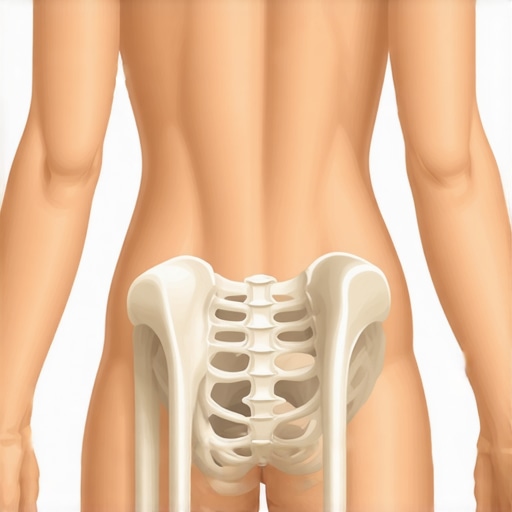
It was a typical morning when I realized I couldn’t stand still without that nagging, dull ache creeping up my lower back. I was stretching, twisting, trying every trick in the book, but nothing seemed to help. That lightbulb moment hit me hard: what if my pelvis wasn’t aligned properly? Ever found yourself in that frustrating loop, feeling promising relief only to be disappointed again?
Why Most of Us Struggle with Lower Back Tension When Standing
Even after years of experimenting with different stretches and remedies, I kept hitting dead ends. It wasn’t until I started paying attention to my pelvic alignment that I noticed significant change. That nagging pressure? It was my pelvis tilting out of the optimal position, forcing my lower back to bear the brunt of poor posture.
What surprised me most was how common this issue is. According to a study published in the Journal of Physical Therapy Science, poor pelvic positioning plays a critical role in chronic lower back pain—a problem that affects nearly 80% of adults at some point in their lives. So, if you’re tired of feeling that dull ache every time you stand for long periods, you’re not alone.
But here’s the thing: most solutions I’ve tried before only addressed symptoms temporarily. I made early on the mistake of just stretching or using heat packs without tackling the root cause—my pelvis position. That mistake delayed my recovery and made me skeptical about any quick fix.
Now, I want to share with you the breakthrough that helped me realign my pelvis and finally stop that pressure in my lower back. If you’ve felt that uncomfortable pinching or that persistent ache when standing, stick around—this could be the game-changer you need.
And yes, this isn’t about just doing more exercises or stretching aimlessly; it’s about understanding and correcting your pelvis tilt for lasting relief. Ready to explore what worked for me and learn how you might do the same? Let’s dive into the practical steps to get you standing tall and pain-free.
Start with Awareness: Spot Your Posture Habits
During a busy afternoon, I caught my reflection while reaching for a file and noticed my pelvis tilting forward, causing my lower back to arch excessively. Recognizing this as a common misalignment was step one. Visit this guide to understand how posture impacts your pelvis position.
Practice Pelvic Tilts to Re-educate Your Muscles
1. Find a comfortable position
Lie on your back with knees bent and feet flat, hip-width apart. Place your hands on your hips to feel the tilt.
2. Flatten your back
Engage your abdominal muscles and tilt your pelvis backward, pressing your lower back into the floor. Think of trying to scoop your pelvis underneath you like tucking your tailbone.
This movement is like resetting a level—helping your pelvis find its neutral position. I did this after noticing my pelvis tilt during desk work and was surprised how quickly my lower back tension eased.
3. Arch upward
Then, tilt your pelvis forward, arching your lower back slightly, like a gentle sway. Repeat these tilts slowly for 10 reps, focusing on smooth control.
Incorporate this exercise daily, especially before long periods of standing or sitting. Regular practice trains your muscles to hold proper alignment.
Use Strengthening Exercises for Core Stability
Building core strength provides a stable foundation for pelvic positioning. Exercises like planks and dead bugs target deep abdominal muscles. For example, I add 3 sets of forearm planks held for 30 seconds each to my routine, noticing improved pelvic control over a few weeks. For a detailed plan, check out simple mobility exercises.
Address Muscle Imbalances with Targeted Stretching
If your hip flexors or hamstrings are tight, they can pull your pelvis out of alignment. Incorporate stretches like the kneeling hip flexor stretch or seated hamstring stretch. Personally, I dedicate 5 minutes daily to these to maintain flexibility and prevent tilts.
Stay consistent, and over time, you’ll notice a reduction in lower back discomfort when standing, as your pelvis maintains its proper position naturally.
Optimize Your Daily Habits for Long-term Alignment
Small adjustments, like avoiding high heels and using the right ergonomic chair, support your pelvis health. Learn more about ergonomic tips at this resource. Remember, realignment isn’t just a one-time fix but a lifestyle shift that keeps your pelvis in the right position, reducing back pain over time.
Many believe that stiffness equals lack of mobility, or that stretching is the universal fix for pain. But as an expert, I’ve observed common misconceptions that prevent effective treatment. One pervasive myth is that all pain stems from tight muscles needing more stretching. In reality, some pains are due to joint misalignments or nerve impingements that stretching alone can’t resolve. Over-stretching these areas can even aggravate symptoms, leading to what I call the ‘stretching trap’—seeking relief but worsening the problem.
Another nuance often overlooked is the role of neural mobility. Many people focus solely on muscles and joints, forgetting that nerve gliding exercises can significantly reduce sciatica and neck pain. For instance, nerve entrapments along tissues can mimic muscular tightness, but they require specific mobilization techniques. A study published in the Journal of Neurophysiology highlights how nerve mobility exercises can improve symptoms unresponsive to traditional stretching.
Beware of the common ‘quick fix’ mindset—expecting instant relief without addressing underlying causes. This often leads to temporary solutions, such as heat packs or massage, which mask symptoms but don’t fix misalignments or motor control deficits. Persistent pain signals that deeper issues like joint dysfunction or poor movement patterns need correction.
What about the misconception that pain inevitably worsens with activity? Actually, controlled movement can promote healing, but it depends on understanding your body’s specific limits. Overly aggressive exercises based on myths can set back recovery, especially if performed without proper assessment. An expert approach balances mobility work with stabilization, emphasizing quality over quantity.
For advanced practitioners questioning their progress, consider whether neural restrictions or fascial adhesions might be the hidden barriers. Sometimes, passive mobilizations or soft tissue techniques targeting fascia and nerve pathways yield better results than conventional stretching. Integrating these methods can accelerate recovery and restore functional movement.
To navigate these nuances, staying informed and cautious is key. Check out resources like this guide that explains how posture adjustments influence nerve and joint health, or explore small mobility exercises proven to enhance spinal function.
Have you ever fallen into this trap? Let me know in the comments. Remember, effective pain relief combines knowledge with tailored movement—that’s the path to real recovery.Maintaining the improvements you’ve worked so hard for requires the right tools and routines. One essential device I’ve incorporated into my daily practice is a high-density foam roller. Unlike softer rollers, the dense foam variation offers deeper tissue release, which is crucial for breaking down fascia restrictions that can impinge nerves or cause lingering tightness. I personally prefer the TriggerPoint GRID foam roller because its textured surface targets knots effectively without putting undue strain on joints. Regular use—about 2-3 minutes daily—helps sustain my mobility gains and prevents setbacks, especially after intense workouts or long periods of sitting. Besides foam rolling, I rely heavily on smart movement apps like the Mobility Mastery program, which offers structured daily routines tailored for spinal health and injury prevention; these routines reinforce good habits and keep my joints functioning optimally. Looking ahead, I predict that wearable technology integrated with biofeedback will become standard in managing posture and movement over time, giving real-time alerts to correct alignment before discomfort escalates.
How can I keep my mobility routine effective over the long haul?
The key is consistency and adapting tools as your body evolves. For example, investing in ergonomic accessories like lumbar supports or adjustable standing desks can vastly improve your posture during daily tasks. I’ve found that incorporating these tools, paired with periodic check-ins with a physiotherapist, helps maintain a balanced pelvis and reduces the recurrence of back pain. To stay on top of your game, educate yourself about proper mobility techniques, such as the simple exercises outlined in this resource. Remember, just like any technical system, your musculoskeletal health needs ongoing attention and fine-tuning.
When choosing tools, look for quality and purpose. For instance, if you notice tight hip flexors pulling your pelvis out of alignment, a hip flexor stretching strap can facilitate safe, effective stretching without overloading your muscles or joints. Moreover, I recommend integrating nerve mobilization techniques—like nerve flossing—with your routine, as they can prevent or alleviate sciatic symptoms. According to a study published in the Journal of Neurophysiology, neural mobilization can significantly improve nerve conduction and reduce pain without invasive measures. Implementing these advanced tips consistently will help you sustain long-term mobility and keep back or neck pain at bay.
Try dedicating five minutes daily to a combined foam rolling and nerve flossing session—it’s a small step that can make a profound difference in your mobility journey. For more insights on advanced techniques, explore this resource. Remember, the path to enduring mobility and pain-free movement is ongoing, but with the right tools and habits, you can enjoy lasting results.
Throughout my journey with chronic back and neck pain, I’ve uncovered lessons that many overlook—lessons that go beyond standard advice and truly transform recovery. One of the toughest truths I faced was realizing that blindly stretching or relying solely on quick fixes often delayed my progress. Instead, understanding the intricate dance between muscles, nerves, and joint alignment became my guiding light. Incorporating mindful awareness of posture habits and embracing targeted mobility techniques opened doors I never knew existed, revealing that sustainable relief hinges on addressing root causes rather than just symptoms.
Another insight was the importance of patience and consistency. Healing isn’t a linear path; it requires small, deliberate actions—like daily pelvic tilts or nerve gliding—that compound over time. My biggest breakthrough was recognizing that tools like foam rollers or ergonomic adjustments aren’t magic bullets but essential components of a comprehensive, personalized routine. Sharing these revelations feels vital because many are trapped in cycles of temporary relief—my hope is that you find the courage to look deeper and adopt habits that truly serve your body’s natural design.