
The Pelvic Tilt Habit That Fixes Morning Back Stiffness

Have you ever jolted awake, faced with that familiar stiffness creeping into your lower back, and wondered what went wrong? I used to brush it off as just a normal part of aging—or so I thought. Until one morning, I could barely roll out of bed without that sharp, lingering pain. It was a moment of clarity—something was amiss, and I needed to find a real solution.
The Lightbulb Moment: Why My Back Felt Worse in the Morning
For years, I dismissed my morning back stiffness as inevitable—after all, I spend countless hours sitting, commuting, and stretching my back daily. But the real turning point came when I realized a simple, overlooked habit was the culprit: my pelvic tilt. This automatic, subconscious adjustment was pulling my pelvis into a position that strained my lower back every morning. It’s a tiny movement, almost imperceptible, but its effects ripple throughout your day.
Since discovering how my pelvic tilt was exacerbating my back stiffness, I committed to understanding the mechanics behind it. I learned that proper alignment of the pelvis influences the entire spinal posture—something I had no idea was so crucial. Research supports this: poor pelvic positioning can lead to chronic back discomfort, and correcting it can be life-changing (source).
Are you skeptical that a tiny habit like pelvic tilt could be causing your morning pain?
I admit, I was initially doubtful. I made the mistake of thinking my back pain was due to deep-seated issues or aging, and I ignored the subtle cues my body was sending me. It wasn’t until I closely examined my daily movements and posture that I saw the connection. Small adjustments made a huge difference—less morning stiffness, more mobility, and a renewed sense of comfort. If you’re tired of waking up stiff and sore, this could be the breakthrough you’ve been searching for. Ready to explore how a simple habit change can restore your mornings? Let’s dive into the practical steps to reset your pelvic alignment and reclaim pain-free mornings.
Assess Your Sleeping Environment and Position
Start by evaluating your mattress and pillow. A mattress that’s too soft or too firm can misalign your pelvis overnight. I replaced my old mattress with one designed for spinal support, which immediately reduced morning stiffness. Use a pillow that keeps your neck aligned with your spine; avoid high or overly flat pillows. Experiment with sleeping positions—side sleeping with a pillow between your knees helps maintain pelvic neutrality, much like balancing a book on your head to promote proper posture.
Incorporate Daily Pelvic Tilt Exercises
Engage in specific movements to correct your pelvic tilt. Lie on your back with knees bent, feet flat on the floor. Gently flatten your lower back against the floor by tilting your pelvis upward, then arch slightly by tilting it downward. I did this every morning before getting out of bed, which felt awkward at first, but gradually my pelvis stayed in better alignment, reducing my lower back pain and stiffness.
Practice the Pelvic Brace Technique
This involves tightening your abdominal muscles while slightly tucking your pelvis under. The key is to activate your core muscles without holding your breath. I started doing this during daily chores, like when standing in the kitchen—over time, it became automatic and helped stabilize my lower back.
Improve Your Morning Mobility Routine
Perform targeted stretches and movements to loosen stiff muscles. The dead bug exercise is excellent for activating core stability without straining your back. Lie on your back, arms pointing to the ceiling, and lift opposite arm and leg simultaneously. I integrated this routine into my mornings, and noticed quicker, more pain-free waking hours. For added benefit, incorporate gentle hip circles and spinal twists, which can be found in mobility exercises.
Optimize Posture During Daytime Activities
Pay attention to how you sit and stand. Use ergonomic chairs that support your lumbar curve. When sitting, keep your feet flat and knees at a 90-degree angle. I adjusted my work setup so my computer screen was eye level, preventing me from leaning forward and tilting my pelvis. Regularly standing up and stretching throughout the day prevents muscles from tightening, much like tuning an instrument to keep it in harmony.
Be Mindful of Your Movements and Habits
Avoid prolonged sitting or leaning into one side. Lift heavy objects with your legs, not your back, and engage your core for stability. I began practicing mindful movement — slowing down and focusing on proper technique — which paid off by reducing strain that contributes to morning stiffness. These habits cumulatively reduce pelvic misalignment and support overall spinal health, as emphasized in posture correction tips.
Consistency and Patience Are Your Allies
This process demands regular practice. It took me weeks of diligent effort before noticing significant relief. Keep a journal to track your progress and stay motivated. Small, consistent adjustments to your posture and daily routine can transform your mornings from stiff and painful to agile and comfortable, empowering you to take control of your spinal health and prevent future issues.Many people believe they understand the causes of sciatic pain and back issues, but often they get misled by oversimplified myths. For example, the common assumption that prolonged sitting alone causes herniated discs ignores the nuanced role of pelvic stability and muscle imbalances. In my experience, addressing these underlying factors—like pelvic tilt and core strength—is far more effective than merely changing sitting habits. Moreover, a widespread mistake is to rely solely on stretching to relieve nerve pain. While stretching can offer temporary relief, overdoing it without proper strength training may worsen the problem by destabilizing the spine further. Studies confirm that targeted strengthening of stabilizer muscles yields long-term improvements (source).
What Should Advanced Practitioners Focus On When Treating Chronic Sciatica?
For those seeking deeper insights, it’s crucial to consider the nerve pathways and how fascia adhesions might be impacting nerve gliding. Techniques like nerve mobilizations and soft tissue work, combined with biomechanical corrections, can significantly accelerate recovery (explore this). Beware of the trap of treating symptoms rather than root causes. Many practitioners focus on pain alleviation with passive therapies, but without addressing muscle imbalances, posture, and movement patterns, the pain often returns. This is why incorporating functional assessments and personalized exercises is essential. Don’t fall into the misconception that pain relief equals treatment success; true progress involves correcting these foundational issues. Have you ever fallen into this trap? Let me know in the comments.
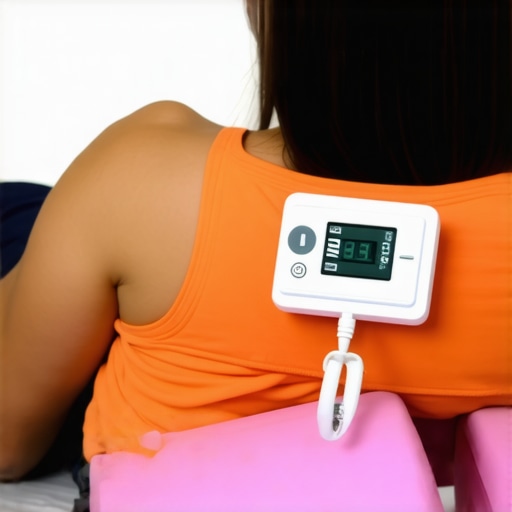
Maintaining the gains from your posture and mobility routines requires more than just knowing what exercises work. Investing in the right tools ensures you can reinforce healthy habits daily and watch your long-term results grow. One of my favorite devices is the TENS unit (Transcutaneous Electrical Nerve Stimulation), which I personally use to alleviate nerve discomfort. It delivers gentle electrical pulses that help block pain signals, offering quick relief without medication. I recommend a model with adjustable intensity and preset programs tailored to nerve and muscle pain, such as the swift relief TENS device.
Another essential tool is a foam roller. I keep a firm, high-density foam roller in my home gym because it helps release fascia adhesions around my hips and lower back. Regular use during my mobility routine has improved my flexibility and reduced flare-ups. Look for ones with ridges and firmness levels suitable for deep tissue work—gentle rollers can be counterproductive for chronic tightness. Pairing this with my daily stretching significantly enhances posture correction efforts discussed here.
Smart technology has also become a game changer. I utilize a posture correction app that connects via a small, discreet sensor attached to my upper back. It vibrates when I slouch or lean, reminding me to reset my posture throughout the day. This real-time feedback is invaluable in ingraining healthy habits, especially if you work at a desk. As research indicates, consistent postural awareness accelerates long-term correction (source).
How do I maintain back health and nerve mobility over time?
Persistence is key. Incorporating these tools into your daily routine ensures you reinforce proper posture and muscle balance. Moreover, I schedule periodic sessions with a physiotherapist for targeted soft tissue work and assess my progress using digital assessments. As the field advances, we can expect even smarter wearable devices that analyze movement patterns in real time, further personalizing care. For now, I recommend trying a combination of physical tools, technology, and professional guidance to sustain your improvements. Remember, small daily investments in your tools, like a lifestyle change, compound over months into remarkable results.
Ready to take your mobility investment further? Try integrating a foam roller into your morning routine or use a posture sensor during work hours. These simple steps can exponentially boost your progress and help you achieve lasting relief. Staying proactive now creates the foundation for a pain-free future. Want detailed guidance on selecting the best tools for your specific needs? Reach out through our contact page.
The Hardest Lesson I Learned About Back and Nerve Pain
If I could go back, I’d tell my younger self that small, subconscious habits shape your entire spinal health. I underestimated how a tiny pelvic tilt adjustment, repeated daily, compounded into chronic stiffness and pain. Now I know that awareness and consistency are not just practices—they’re vital lifelines that prevent pain from sneaking up on you.
My Go-To Tools That Keep Me Moving Without Pain
Over time, I’ve curated a set of tools that make daily back maintenance manageable. The TENS unit has been a game-changer for nerve pain, providing quick relief without relying on medication. The foam roller helps release fascia and keeps my hips and lower back flexible— I speak from experience when I say that a well-chosen roller can prevent flare-ups. Lastly, a discreet posture sensor keeps me mindful of my alignment during long work hours, reinforcing habits that promote long-term health.
Embracing the Journey Over Quick Fixes
The truth is, improving back health isn’t about chasing instant results. It’s a daily commitment—integrating gentle exercises, mindful habits, and proper ergonomics—that gradually rebuilds strength and stability. Patience and persistence have been my allies; I’ve learned that lasting relief comes from small, consistent steps rather than quick fixes. If you’re tired of waking up stiff, remember that your efforts now are setting the foundation for a pain-free future. Ready to embrace a balanced, proactive approach to back health? Start today, and watch how your mornings transform from dreaded to revitalizing.