
The Real Reason Your Lower Back Pinches Every Time You Reach for Your Shoes
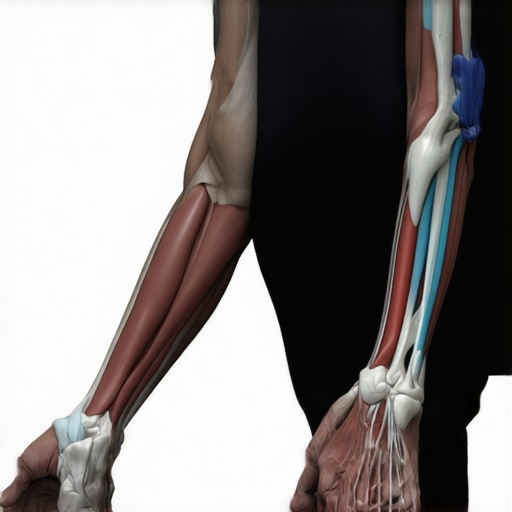
Ever had that moment when you’re sitting comfortably, then suddenly, as you bend forward to grab your shoes, a sharp pinch shoots through your lower back? It’s like your spine protests loudly every time you try to get ready for the day. I’ve been there too—frustrated, confused, and wondering why this simple task feels like a major workout that leaves me stiff and sore.
The Hidden Culprit Behind Back Pain When Reaching for Shoes
That familiar pain isn’t just bad luck. It’s a warning sign from your body that something’s off—something that’s been building up beneath the surface. I used to dismiss this as just an age thing or a temporary stiffness. But I soon realized that the real reason runs deeper than I thought. It’s connected to how I move, my posture, and even my daily habits.
In fact, studies show that poor movement patterns and muscle imbalances are major contributors to chronic back issues. For example, a report from the National Center for Biotechnology Information explains that inefficient movement and misaligned joints can cause repetitive stress, leading to pain and injury over time. The good news? Addressing these issues doesn’t require drastic surgery or endless meds. Simple, mindful adjustments can make a world of difference.
Could Your Movement Style Be Too Aggressive?
One mistake I made early on was aggressively stretching my back in hopes of preventing pain. Unfortunately, that only made things worse. Overdoing flexibility drills without understanding my body’s limits often led to more inflammation and discomfort. Instead, I learned the value of controlled mobility and strengthening the muscles that support my spine. Curious? Check out these simple exercises designed to boost your back’s resilience.
If your back tends to pinch every time you reach for your shoes, don’t worry. There’s hope. In the next sections, I’ll guide you through practical steps to improve your mobility, correct poor movement habits, and regain control over your lower back. Ready to leave that pain behind? Let’s dive into the core reasons behind this frustrating issue and how to fix it once and for all.
—
Start with Gentle Movement Patterns
When addressing persistent back pain, initiating gentle, controlled movements can make a significant difference. Think of your spine like a rusty hinge; occasional lubrication and careful movement prevent it from seizing up. I once tried to stretch aggressively to ease my lower back, but I ended up worsening the discomfort. Instead, I started with simple pelvic tilts and basic bridges, focusing on slow, deliberate execution. These exercises activate core stabilizers and restore proper alignment. To see effective routines, refer to these mobility exercises.”}
Prioritize Muscle Strengthening Over Stretching
Many assume stretching alone will solve back issues, but strengthening key muscles provides long-term relief. Imagine your lower back as the foundation of a house; if the supporting pillars are weak, the structure becomes unstable. I systematically added planks and back extensions into my routine, which gradually improved my posture and reduced pinch sensations. Focus on exercises that reinforce the abdominals, glutes, and the deep spinal muscles. For tailored routines, check out pelvic floor and core drills.”}
Optimize Your Daily Posture Habits
Your everyday positions shape your spinal health like a sculptor shapes clay. Slouching on the couch or leaning over your desk can reinforce poor alignment, leading to recurring pain. I made a conscious effort to sit with my back against the chair, feet flat, and monitor at eye level. Using ergonomic tools like adjustable desks or lumbar supports can facilitate better posture. Incorporating these small habits collectively reduces strain. To deepen your understanding, visit this guide on posture and pain.”}
Incorporate Nerve Glide Techniques
Often, nerve entrapment exacerbates back and leg pain, mimicking or worsening sciatica. Nerve gliding exercises are like untangling a knot—slow, cautious movements that help the nerve slide smoothly through its pathways. I learned these drills after experiencing fiery pain down my legs, and they provided immediate relief. Start with gentle sciatic nerve stretches, moving within pain-free ranges, and gradually increase as flexibility improves. Explore these nerve glide moves for targeted relief. Consistency is key; perform them daily, especially after periods of prolonged sitting.”

Adjust and Reinforce Your Movement Habits
Identifying and correcting movement habits that strain your back is crucial. For example, I noticed that bending from the waist while picking things up often triggered pain. Instead, I adopted the hip hinge technique: push my hips back while maintaining a straight spine. It’s akin to opening a door with a controlled push rather than yanking on the handle. Incorporating these mindful strategies reduces repetitive stress. For detailed tips, see these mobility drills.Many believe that increasing flexibility through aggressive stretching alone is the key to reducing back pain, but this is a common misconception that can backfire. In reality, overemphasizing flexibility without strengthening the supporting muscles often leads to greater instability, making the spine more vulnerable to injury. Experts like Dr. Stuart McGill emphasize that spinal stability is a complex balance of mobility and strength, and neglecting this interplay can exacerbate issues rather than resolve them. Furthermore, a frequent myth is that pain always indicates damage needing rest or avoidance. However, pain can sometimes be a misunderstood signal, especially in cases of nerve impingement or muscular imbalances where compromised movement patterns perpetuate the problem. Addressing only the symptom—pain—without correcting underlying movement dysfunctions often results in recurrence. Have you ever fallen into this trap? Let me know in the comments.
Is Pain a Reliable Indicator of Severity in Back and Neck Issues?
Many assume that the intensity of pain directly correlates with tissue damage, but research shows that this isn’t always accurate. According to a study published in the Journal of Orthopaedic & Sports Physical Therapy, psychological factors, past experiences, and individual pain perception significantly influence pain reports, sometimes more than the actual tissue condition. This means that overlooking functional assessments in favor of solely symptom-based evaluations may lead to incomplete treatment strategies. Recognizing this nuance can guide us towards more holistic approaches that focus on restoring optimal movement patterns and neuromuscular control. For advanced techniques to fine-tune your recovery, check out [these mobility exercises](https://bodyrenewtherapy.com/boost-your-back-mobility-simple-exercises-that-make-a-difference).
To dig even deeper, understanding the subtle signs of muscle imbalances and nerve entrapment can prevent misdiagnosis and guide more effective interventions. For example, nerve gliding exercises are often underutilized but can release trapped nerves that contribute to sciatica and neck pain, offering symptom relief without invasive procedures. Incorporating targeted nerve mobility drills helps your nervous system function smoothly, reducing unnecessary stress on your musculoskeletal system. Regularly practicing such nuanced techniques can make a tangible difference in your overall recovery. Want to learn more? Visit [these nerve glide techniques](https://bodyrenewtherapy.com/3-specific-exercises-for-2026-neck-strain-from-neural-links-2) for advanced relief options.
Maintaining the gains you’ve achieved in improving mobility and alleviating pain requires the right tools and consistent routine. Over the years, I’ve discovered that a combination of specific equipment, software, and methods can make the difference between temporary relief and lasting health. One personal favorite is a foam roller, particularly the Blackroll Standard, which offers the perfect density for myofascial release without causing excessive discomfort. I use it daily to target tight muscles in my back and hips, helping to prevent recurrence of stiffness and pain. For targeted nerve glide exercises, I rely on a simple resistance band, which allows me to gently mobilize nerves and reduce neural tension, especially helpful for sciatic issues. Incorporating tools like the Gyrotonic Resonance or functional movement screens have refined my movement patterns, ensuring movement quality over time. Prediction-wise, the trend suggests a growing emphasis on biofeedback devices that monitor posture and muscle activation in real-time, offering personalized feedback and correction—think of it as a personal trainer for your nervous system.
How do I keep my mobility routines sustainable in the long run?
I prioritize ergonomic assessments and use adaptive technology like adjustable desks, standing mats, and supportive pillows that promote proper alignment throughout the day. The mobility mastery principles guide my daily adjustments, ensuring my spine stays resilient. I also recommend integrating simple exercises into routine sessions to reinforce mobility gains and prevent relapses. Remember, consistency is key. Schedule your mobility drills at the same time each day to turn them into habits. For those seeking a quick and effective daily routine, try the 2-minute hip reset—it’s a game-changer for sciatic relief. Investing in quality tools and a mindful routine will greatly magnify your complexion of long-term health. For detailed guidance and tailored recommendations, consider reaching out through our contact page.
Lessons That Changed My Approach to Mobility and Back Pain
- Flexibility isn’t always the answer: I once believed that stretching more would relieve my back pain, but pushing past my limits often worsened the discomfort. Learning to combine controlled movement with strength training proved more effective.
- Understanding my body’s signals: I realized pain is a communication, not just a symptom to suppress. Listening carefully allowed me to adjust my habits proactively, preventing further injury.
- Small habits matter: Simple daily postural tweaks, like sitting upright or mindful bending, accumulated into significant improvements over time. Consistency trumped intensity in my recovery process.
- The science behind movement: Delving into studies from sources like the National Center for Biotechnology Information reinforced my understanding that tailored, mindful movement corrects imbalances more sustainably than generic routines.
- Patience is key: Progress took time, especially when retraining ingrained movement patterns. Embracing patience kept me motivated and less frustrated during setbacks.
My Essential Tools for Better Back Health
- Foam rollers like Blackroll Standard: I rely on it daily for myofascial release, staying proactive about muscle tightness.
- Resistance bands for nerve gliding: These help me gently mobilize nerves, especially useful for sciatic discomfort, integrating into my routine effortlessly.
- Ergonomic accessories: An adjustable sit-stand desk and lumbar supports transformed my workspace, enabling healthier posture habits.
- Educational resources and expert advice: Reading guides like these mobility exercises and consulting specialists deepen my understanding and effectiveness.
Your Next Step Toward a Pain-Free Back
Remember, reclaiming your back health is a journey uniquely yours. Small daily actions, informed by understanding and patience, create lasting change. If I can do it, so can you. Dive into tailored exercises, tweak your habits thoughtfully, and stay committed to your movement goals. The power to transform your back pain into strength lies in your hands—starting today. Which small change will you try first? Let me know below, and let’s support each other on this path to mobility and comfort.