
The Real Reason Your Neck Cracks Every Time You Turn Your Head
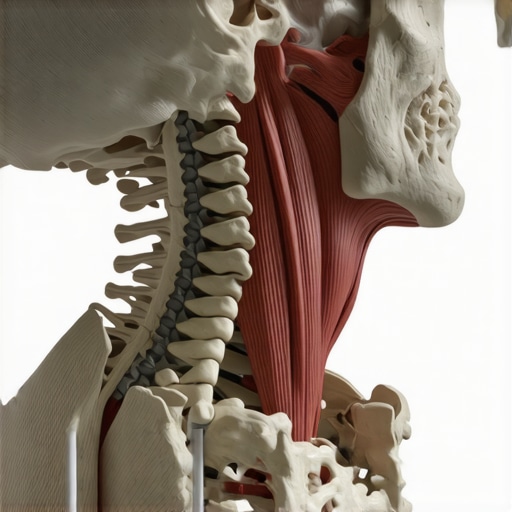
I vividly remember the moment it hit me—every time I turned my head, there was that unmistakable, almost satisfying crack. At first, I thought nothing of it; it was just part of getting older, right? But as weeks turned into months, I started noticing how much it bugged me. The cracks became more frequent, louder, and honestly, a little unsettling. It made me wonder—why on earth does my neck crack so much? And more importantly, is it something I should be worried about? If you’ve experienced the same, know you’re not alone.
The Hidden Reasons Behind Your Neck Cracking
Many people dismiss neck cracking as harmless, a normal part of aging or a quick fix for tension. But here’s the thing—those cracks often reveal underlying issues with joint health, ligament tightness, or muscle imbalances. Interestingly, research shows that neck joints can produce sounds due to the sudden release of gas bubbles in the synovial fluid—something that’s perfectly normal and not a cause for alarm in most cases. However, persistent or painful cracking might hint at something more serious, like early joint degeneration or cervical issues. Early in my journey, I made the mistake of ignoring discomfort in favor of quick neck stretches, hoping it would go away. That was a mistake I learned the hard way, and I want to help you avoid that.
If you’ve been just cracking your neck on repeat without understanding why it happens, you’re missing a crucial piece of the puzzle. Your neck isn’t just about spontaneous pops—it’s about maintaining healthy mobility and avoiding long-term problems. Curious about how to tell if those cracks are harmless or a sign of something worse? Keep reading, because I’ll share simple yet effective strategies that I’ve used to reclaim my neck mobility and reduce unnecessary cracking.
Is Neck Cracking Actually Worth the Hype?
It’s easy to dismiss neck cracking as just a quirky habit, but I’ve seen firsthand how neglecting it can lead to stiffness, discomfort, and even headaches. The key is understanding when it’s a sign to seek professional advice. For me, taking a proactive approach made all the difference. If you want to learn about safe techniques to improve your neck health, I recommend checking out proven solutions at this resource. It’s important to address the root causes rather than just stop the cracks.
Have you noticed your neck cracking more often after long hours at your desk or smartphone use? That’s a common pattern I’ve encountered, and the next steps I took can help you, too. Ready to explore the simple changes that can make your neck feel better, longer? Let’s dive into practical tips that I’ve personally tested and refined over time.
Start with Gentle Neck Mobilizations
My first practical move was to incorporate gentle neck movements into my daily routine. I sat in a quiet corner, slowly tilting my head side to side, feeling the stretch without forcing it. This isn’t about bouncing or quick jerks; think of it as easing into a warm bath. I dedicated just two minutes twice a day, making little circles with my neck. Initially, I felt a bit weird, as if I was doing something childish, but over a week, my neck felt freer and less crack-prone. To deepen this, I experimented with controlled neck rotations — slowly turning your head left to right, avoiding any sudden snapping. This continuous practice helps lubricate joints, reducing the need for spontaneous crackings. For comprehensive movement routines, check out these mobility exercises that focus on the entire spine and neck.
Correct Your Posture During Daily Activities
One morning, I caught myself slouching at my desk, neck jutting forward as I stared at my laptop. It felt familiar — the habit that made my neck tense and often crack during the day. I realized that maintaining a proper ergonomic setup could be the game-changer. I adjusted my chair height so my feet were flat on the floor, and the monitor was at eye level. Imagine stacking books under your monitor until your eyes meet the top third of the screen—that’s an easy trick to prevent neck strain. Instantly, I noticed less tension, and my cracking reduced. Furthermore, I adopted the habit of setting reminders to check my posture every hour. These micro-adjustments are vital because they prevent muscle fatigue and joint misalignment, which are common causes of cracking and discomfort. For more in-depth guidance, explore ergonomic tips that can help you create a healthier workspace.
Incorporate Targeted Stretching and Strengthening
One day, I was desperate to find relief from persistent neck tension. I faced the mirror and tried the simple stretch of tilting my head forward to gently chin-tuck. This stretch lengthens the back of the neck, relieving pressure that builds from daily poor posture. After a few repetitions, I felt a noticeable decrease in cracking and discomfort. Alongside stretching, adding strengthening exercises like isometric neck holds helped stabilize the area. Think of your neck muscles as the braces of a building—stronger muscles reduce the likelihood of joints making noise or giving way. To get a comprehensive plan, I recommend visiting this resource for proven stretches and exercises. It’s important to set a consistent routine, scheduling time each morning and evening to perform these movements. Over time, these targeted actions not only decrease cracking but also boost overall neck health.
Regular Self-Massage and Foam Rolling
When my neck felt tight, I found that light self-massage could work wonders. Using my fingertips, I gently kneaded the muscles along the sides and base of my skull. For deeper relief, I experimented with a small foam roller or tennis ball pressed against the upper back and neck muscles, rolling slowly to release tension knots. Picture the foam roller as a mini chiropractor, working on tight spots without the need for appointments. Be cautious—avoid rolling directly over bones or sensitive areas. This routine improved blood flow, decreased muscle tension, and reduced the frequency of crack sounds. Incorporating daily massage into your routine can make a sustainable difference. For guidance on safe techniques, see the massage methods I found effective. Consistency is key; even a few minutes each day can yield significant improvements over weeks.
Adopt Mindful Movement Habits
My last breakthrough was integrating mindful movement throughout my day. Instead of quick, forceful neck jerks, I focused on slow, controlled movements. For example, I would gently turn my head to look over my shoulder, holding for a few seconds before switching. Think of this as giving your neck a gentle dance rather than a rapid beat. I also avoided looking down at my phone for extended periods — instead, I raised the device to eye level, reducing downward strain. These simple adjustments prevented unnecessary stress on my cervical joints, decreasing crack frequency. Remember, small habitual changes—like avoiding sudden head movements, and taking micro-breaks to stretch—can significantly impact your neck health. For more tips on maintaining mobility in everyday life, explore daily mobility tips. Practice these mindful techniques regularly, and you’ll nurture a resilient, crack-free neck.Many people believe that back pain, sciatica, and neck discomfort are straightforward issues, but the reality is far more nuanced. A prevalent myth is that all pain originates solely from the joints or discs, leading many to focus exclusively on spinal adjustments or stretches. In truth, *poor movement patterns and overlooked muscular imbalances often play a larger role* in ongoing discomfort. For instance, neglecting the importance of proper motor control can mean you’re strengthening the wrong muscles or reinforcing faulty movement habits, which perpetuate pain. Advanced studies, like those published in the Journal of Orthopaedic & Sports Physical Therapy, emphasize the significance of addressing *movement quality and motor control* over just symptom management.
Another common trap is assuming that pain is always a sign of damage requiring rest. Actually, *persistent pain can often be a result of neural sensitization or exaggerated protective responses* by the nervous system—much like an alarm that’s been triggered too often. Pushing into pain or avoiding activity altogether might worsen the problem over time. Instead, the key is *gradual, controlled exposure to movement*, nurturing both joint health and neural resilience. To learn more about safe approaches, consider exploring resources that guide you beyond basic stretching, such as these mobility exercises.
Are you falling for quick fixes that might backfire?
Many get lured by trendy therapies or unsupported solutions, like excessive foam rolling or aggressive stretching, which may worsen inflammation or irritation if done improperly. For example, overuse of foam rollers on irritated tissues can actually heighten nerve sensitivity or cause micro-trauma if not used correctly — this post explains why you should be cautious. Instead, focusing on *comprehensive movement correction and addressing root causes* leads to sustainable relief.
For those dealing with sciatica, understanding the distinction between *mechanical and neural origins* is crucial. Some assume that all sciatic pain stems from herniated discs, but often, tight muscles, pelvic imbalances, or nerve entrapments are bigger players. Recognizing these factors opens doors to targeted strategies, like specific nerve glides or posture corrections, as discussed in this expert guide.
Finally, be wary of the oversimplification of posture corrections alone solving chronic issues. While ergonomic adjustments are helpful, they *must be combined with movement retraining and muscular rehabilitation* for lasting improvement. Addressing only symptoms, without considering underlying behavior and control, is a common pitfall. To piece together a complete approach, see comprehensive routines here: daily mobility tips.
In summary, the key is recognizing *the complex, interconnected nature* of back, neck, and sciatic pain, and steering away from simplistic solutions. Instead, embrace a holistic, movement-focused approach that considers both neural and musculoskeletal health.
Have you ever fallen into this trap? Let me know in the comments.Maintaining long-term spine and neck health requires more than just occasional stretches; it demands reliable tools and consistent routines. From ergonomic gear to advanced mobility devices, I personally rely on specific equipment that has made a tangible difference in my journey to reduce pain and enhance mobility. One of my favorite tools is a high-quality foam roller, but with a twist: I use a textured, firm roller that helps target deep muscle knots without inducing nerve sensitivity, especially when I notice signs of inflammation. However, I avoid rolling over irritated tissues, as emphasized in this article. Instead, I focus on gentle, controlled movements to prevent microtrauma.
How do I maintain mobility over time?
To sustain my mobility, I incorporate daily movement routines using resistance bands and stability balls. Resistance bands are excellent for reinforcing correct movement patterns and restoring muscular balance, which directly impacts joint health. I specifically choose yellow or red bands for their durability and versatility. These enable me to perform exercises like controlled isometric holds and strengthening drills that align with my goals of avoiding long-term stiffness. Additionally, I use a stability ball for dynamic stretching, which I find significantly improves my thoracic and cervical mobility, reducing pain during daily activities. These tools are affordable, portable, and adaptable to various routines, making them sustainable. Moving forward, I predict that smart tech integration, such as biofeedback sensors and app-guided routines, will become increasingly mainstream. Devices like wearable posture monitors can alert you to habits that lead to misalignment, enabling real-time correction, much like how I use alert systems to prevent poor ergonomic postures at my workstation. My advice? Start by trying a simple resistance band routine to rebuild muscle balance. For example, a quick workout focusing on gentle neck and back strengthening can dramatically prolong your mobility gains. Incorporate tools like these into your daily habits, and you’re building resilience against recurring pain. Remember, consistency and smart tool usage are key to keeping everything working smoothly over the long haul. For more advanced mobility strategies, check out these effective exercises. By investing in the right tools and routines today, you’re setting yourself up for a future with less pain and greater freedom of movement. Take the first step today — pick a resistance band, set a 5-minute session, and notice the difference in how your neck and back feel tomorrow.Throughout my journey, I realized that the biggest lessons about neck cracking and mobility weren’t about quick fixes but understanding the deeper mechanics of our bodies. One lightbulb moment was recognizing that persistent cracking often signals muscular imbalances rather than just joint gas release—meaning, addressing muscular control is essential for lasting relief. I also learned that ignoring subtle discomfort can lead to more serious issues, reinforcing the importance of listening to my body’s signals early. Another insight was discovering how small daily habits—like mindful posture adjustments—can accumulate into significant improvements over time, transforming my quality of life. Lastly, I saw that combining movement, proper ergonomics, and routine care creates a resilient foundation, preventing future pain instead of chasing symptom relief after problems arise.