
The Secret to Relieving Sciatica Pain While Sitting at Your Desk
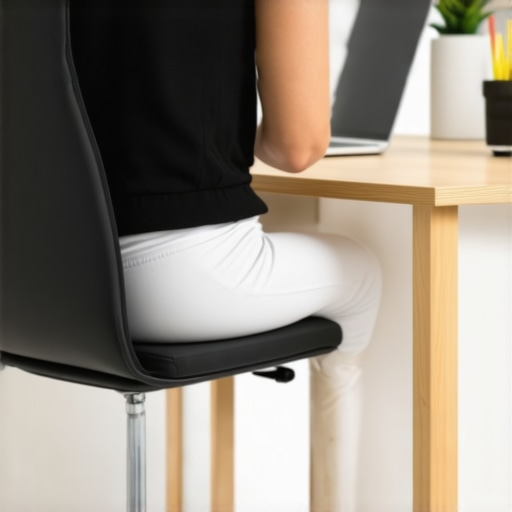
Ever found yourself gripping the edge of your chair, desperately trying to ignore that searing pain shooting down your leg during a long workday? I know exactly how that feels. There was a time when I thought I just had to live with my sciatic discomfort, especially when glued to my desk for hours. One day, in frustration, I realized that my daily habits might be secretly sabotaging my back health, and that lightbulb moment changed everything.
Why Sitting Shouldn’t Feel Like Torture
Many of us dismiss sciatic pain as an unavoidable part of modern life. But here’s the truth: your sitting posture and habits play a major role in either aggravating or alleviating that discomfort. Sitting for extended periods puts pressure on your lower back and hips, compressing the sciatic nerve and igniting pain that can be tough to ignore. Believe me, I tried every quick fix—pain patches, stretching, even more advanced therapies—but nothing stuck until I made smarter choices about how I sit and move.
Is Your Desk Setup Actually Worsening Your Sciatica?
Early on, I made a crucial mistake by ignoring my ergonomic setup. I thought that simply having a chair with some lumbar support was enough. Turns out, many common mistakes—like a poorly adjusted chair height, improper monitor placement, or staying in static positions—can intensify sciatic symptoms. For instance, sitting with my feet dangling or crossing my legs for hours worsened the nerve irritation. Learning about correct ergonomic practices from trusted sources like here was eye-opening.
This realization prompted me to adopt a comprehensive approach—incorporating mindful movement, proper posture, and specific exercises—to keep my spine and joints healthy, and most importantly, pain-free. Are you tired of suffering through this pain every day? Stick around, because I’ll share proven strategies to make your sitting hours a lot more comfortable and perhaps, enjoy a pain-free life.
End of current section.
Master Your Posture: Small Adjustments, Big Impact
Start by evaluating your workspace. Adjust your chair height so that your feet rest flat on the floor, forming a 90-degree angle at your knees. Ensure your monitor is at eye level to prevent neck strain. Use an ergonomic chair that supports your lumbar curve, or add a lumbar roll if necessary. Remember, a well-setup workspace acts as the foundation for good habits.
Implement Dynamic Movement
Set a timer to remind you to stand or move every 30 minutes. During these breaks, do gentle stretches like toe touches or hip circles. Incorporate short walks around your office or home. Personal experience taught me that even a quick 2-minute walk alleviated my lower back tension and prevented stiffness from settling in.
Incorporate Targeted Exercises
Strengthening your core is essential. Engage in exercises such as planks, dead bugs, or bird-dogs daily. These moves stabilize your spine and reduce pressure on the sciatic nerve. I recommend the simple exercises that can be done at your desk or home, making consistent practice manageable.
Stretch Smartly to Release Tension
Regular stretching targets tight hip flexors, hamstrings, and piriformis muscles—common culprits in sciatic pain. For example, the supine piriformis stretch or seated hamstring stretch help elongate muscles that might be compressing your nerve. I found that holding each stretch for 20-30 seconds, twice daily, steadily improved my flexibility and reduced nerve irritation.
Adopthabits That Protect Your Back
Avoid crossing your legs for prolonged periods, as this can tilt your pelvis and worsen sciatic symptoms. When lifting objects, bend your hips and knees instead of your waist, keeping the load close to your body. This simple shift minimized the strain on my lower back during chores.
Stay Hydrated and Maintain Movement Patterns
Drink plenty of water, especially in the morning, to keep spinal discs hydrated—a step often overlooked but vital for spinal health. Also, consciously avoid prolonged static positions. Remember the ergonomic tips to support ongoing care.
Each small change reinforced my spine’s resilience and helped me reclaim control over my pain. Incorporate these steps into your daily routine, and you’ll notice a significant difference in how your back responds to long hours of sitting, leading to fewer flare-ups and more comfort.
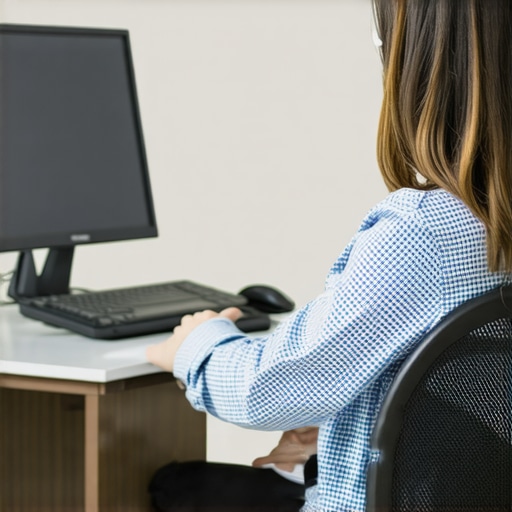
Many believe that increasing flexibility or strength alone can resolve chronic pain issues, but this oversimplification often leads us astray. The truth is, misconceptions about mobility and pain can hinder progress and, in some cases, exacerbate the problem. A common myth is that pain always signifies structural damage—yet, in reality, pain is frequently a symptom of complex nervous system sensitivities or compensatory movement patterns. For example, some individuals focus solely on stretching tight muscles without considering underlying joint restrictions or neuromuscular control issues, which can lead to overstretching and further instability. Advanced practitioners understand that proper mobility isn’t just about increasing range but ensuring controlled, pain-free movement within optimal ranges. This nuance is often overlooked, and many people fall into the trap of misinterpreting what ‘mobility’ truly entails. Additionally, there’s a widespread belief that pain should always be avoided at all costs; however, appropriately dosed movement and loading are critical for tissue health and adaptation. Over-immobilization can lead to stiffness and disuse atrophy, making pain worse. Myths about quick fixes—like a single stretch or posture correction—are prevalent, but sustainable relief requires a comprehensive approach addressing motor control, joint health, and nervous system regulation. Recognizing these nuances helps prevent common mistakes, such as ignoring subtle joint restrictions or relying solely on passive treatments. A good example is how poor movement patterns can cause a vicious cycle, where compensations lead to further dysfunction. For instance, faulty alignment in the hips can subtly alter nerve mechanics, intensifying sciatic symptoms. A recent study published in the Journal of Orthopaedic & Sports Physical Therapy emphasizes that tailored, integrated mobility routines significantly outperform generic stretching. For those seeking lasting change, understanding these subtleties is essential. Rather than simply stretching tight spots, focus on restoring controlled mobility and neuromuscular coordination—think of it as tuning your body’s intricate machinery. To dive deeper into effective strategies, explore here for ergonomic insights or check out daily mobility tips to build sustainable habits.
Why does focusing only on stretching sometimes worsen pain?
This occurs because stretching without addressing joint restrictions or neural sensitivities can overstretch tissues, destabilize movement patterns, and increase nerve irritation. For example, forcing a hamstring stretch when hip joint mobility is limited can strain surrounding tissues and nerves, potentially aggravating sciatic symptoms. It’s vital to identify whether tightness stems from muscle, joint, or nervous system contributions and tailor interventions accordingly. Using targeted joint mobilizations or nerve gliding techniques—like the nerve glide exercises—can prevent these pitfalls and promote safer, more effective improvements. Engaging with knowledgeable practitioners who understand this complexity can drastically reduce trial-and-error and promote true healing.
Have you ever fallen into this trap? Let me know in the comments.
Tools I Recommend for Maintaining Mobility and Alleviating Pain
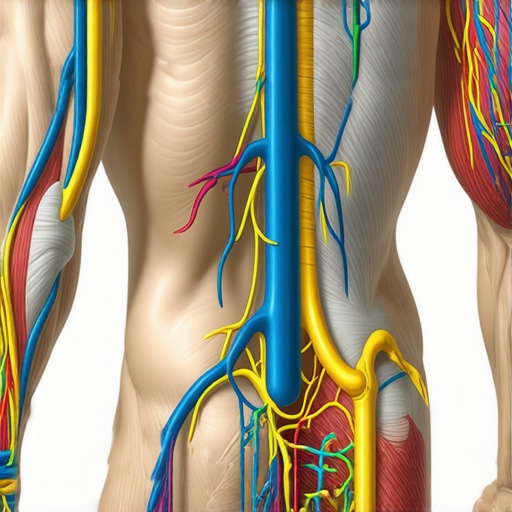
When it comes to managing neck pain, sciatica, and back discomfort over the long haul, having the right tools can make a significant difference. I personally rely on a combination of ergonomic equipment, mobility aids, and digital resources to ensure I stay on top of my health. One staple in my arsenal is a high-quality foam roller. I opt for a dense, yet forgiving foam roller because it helps release mytrapped muscle tension and improve my fascia mobility. Regularly using it, I notice less nerve compression and better overall flexibility. For targeted nerve gliding, I’ve found that silicone-based resistance bands are invaluable tools; they allow me to perform exercises that gently mobilize the sciatic nerve without overstretching, reducing flare-ups. When sitting for extended periods, I use an adjustable lumbar support pillow that adapts to my posture, preventing undesirable pelvic tilts that can exacerbate nerve irritation.
In addition to physical tools, I highly recommend digital applications that guide you through mobility routines. For example, a structured program like this collection of simple exercises has helped me build consistency. These apps offer visual demonstrations and track progress, which is essential for sustaining long-term improvements. Integrating these resources into your routine ensures that mobility becomes a habitual part of your day, not a frantic, last-minute effort. Looking ahead, I predict that wearable technology—like smart posture sensors—will further personalize our self-care routines, alerting us when we’re deviating from healthy positions and facilitating immediate corrective actions.
How do I maintain my progress over time?
Consistency is key. Regularly scheduling dedicated mobility and strength sessions, even in short bursts, can greatly extend the benefits. Incorporate habits such as daily nerve gliding exercises using resistance bands or foam rolling to keep tissues pliable. For instance, a recent study on neuroplasticity emphasizes that sustained movement patterns can rewire nervous system sensitivities, reducing pain perception over time (source: here). It’s also wise to periodically reassess your ergonomic setup and adjust as needed, ensuring your workspace continues to support healthy habits. Remember, tools alone won’t keep your body in check—their effectiveness depends on your dedication to using them correctly and consistently. Start with one of these tools today and make it a part of your regular practice—your body will thank you for it.
Lessons Only The Inner Circle Knows About Back and Nerve Health
- One surprising insight I discovered was that pain doesn’t always correlate with damage; sometimes, it’s a nervous system misfire that, once understood, can be reprogrammed through targeted movements.
- I realized that most mobility routines are blindly followed; personalizing exercises based on unique joint restrictions and nerve sensitivities made a world of difference in my recovery.
- Disabling myths like “more flexibility equals less pain” prevented me from overstretching and causing further instability—trusting controlled, mindful mobility is key.
- The importance of listening to my body’s subtle signals taught me to avoid pushing through pain, which often worsens nerve irritation rather than helping it heal.
- Finally, I understood that consistency beats intensity—building small, daily habits in ergonomic setup, movement, and stretching creates sustainable improvement over time.
My Toolbox for Long-Term Nerve and Back Wellness
- Foam Rollers: I rely on dense foam rollers to release fascial tension, essential for keeping nerves gliding smoothly. I trust this technique after seeing significant relief when I include it in my daily routine.
- Nerve Glide Bands: Silicone resistance bands enable safe nerve mobilizations, which I personally find effective in calming nerve irritation. They’re a game-changer for preventing flare-ups.
- Ergonomic Accessories: An adjustable lumbar pillow and monitor risers from trusted brands help me maintain optimal posture, reducing strain before discomfort sets in.
- Digital Guides: Apps with structured mobility routines, like those found in this collection of simple exercises, keep me motivated and consistent, which is vital for lasting results.
Embrace Your Journey with Courage and Curiosity
Taking control of sciatic pain requires more than quick fixes; it demands a mindset of exploration and patience. Remember, each mindful movement and ergonomic adjustment brings you closer to a pain-free future. Embrace the process, trust the small wins, and don’t hesitate to seek personalized guidance tailored to your unique body. Your spine and nerves are resilient—nurture them daily, and watch your quality of life transform. Are you ready to prioritize your mobility and start rewriting your story of back health? Your future self will thank you for it.
What’s one small change you’re going to try today to improve your sciatic comfort? Share below and let’s support each other on this journey!