
The Side-Sleeping Secret for Waking Up Without Hip Pain

I still remember waking up, groggy and stiff, clutching at my hips like they were on fire. It was every morning that dreaded moment—try to roll out of bed without wincing, only to be greeted by a sharp, nagging pain that seemed to settle in overnight. That lightbulb moment hit me hard: my sleep position, especially my side-sleeping habit, was unknowingly sabotaging my hips and waking me up sore every single day. If you’ve ever found yourself waking up with aching hips or stiffness that lingers as you start your day, you’re not alone. Many of us overlook the vital role our sleep posture plays in overall mobility and pain management.
Why Your Sleeping Position Could Be the Hidden Culprit
For years, I struggled with this unwelcome morning ritual. No matter what mattress I tried or how many stretches I did, the pain persisted. That’s when I discovered an unexpected truth: your sleep habits, particularly side-sleeping, have a profound impact on the hips and lower back. When you sleep on your side, your hips bear the brunt of your body weight—sometimes unevenly. If your pillow isn’t supportive or your body isn’t aligned properly, this can lead to misalignment and stress on the hip joints. Over time, these small misalignments can snowball into chronic pain, stiffness, and a poor night’s sleep, which only worsens the issue. According to medical experts, poor sleep posture can cause or exacerbate hip and lower back pain, hindering your mobility and quality of life. Combining the right sleeping position with supportive techniques can finally bring relief, allowing you to wake up refreshed and pain-free.
Have You Faced This Frustrating Wake-Up Routine?
If this sounds all too familiar, I get it. Just like you, I once believed that pain was something I had to accept as part of aging or busy days. What I learned early on was that a simple change in how I slept transformed my mornings. But I also made the mistake of relying solely on generic advice—thinking a new pillow or mattress alone would fix everything. That mistake cost me precious months of discomfort. Don’t fall into the same trap. There are specific, targeted strategies I’ll share that can help you wake up without hip pain, based on proven techniques and real-world experience.
Ready to discover the side-sleeping secret? Let’s explore how small adjustments can lead to significant relief, transforming your mornings from painful to pain-free. If you’re tired of waking up stiff and sore, keep reading—your path to better sleep and healthier hips starts here.
Adjust Your Sleeping Position to Protect Your Hips
Start by lying on your side with a pillow between your knees, aligning your hips properly. I recall one night when I swapped my usual pillow for a firmer, contouring one, which immediately reduced my hip discomfort upon waking. This simple modification prevents your top leg from pulling your pelvis out of alignment, reducing strain on your hip joints.
Use a Supportive Pillow Strategy
Choose a pillow that supports your neck correctly and keeps your head in line with your spine. Avoid overly high pillows that cause your neck to bend forward, which can translate tension down to your hips. I found that experimenting with different pillow heights helped me discover a setup that maintained my spine’s natural curve, easing hip tension.
Position Your Body for Optimal Spinal Alignment
Lay your body in a straight line from head to hips, avoiding curling your shoulders forward or twisting your pelvis. To visualize, think of your spine like a gentle S-shaped curve; your sleep position should support that. I once tried sleeping without a pillow under my waist, which temporarily relieved my hip discomfort morning after morning. Small adjustments, like elevating your legs slightly with a pillow, can promote better alignment and reduce pressure.
Incorporate Movement and Gentle Stretches in Your Routine
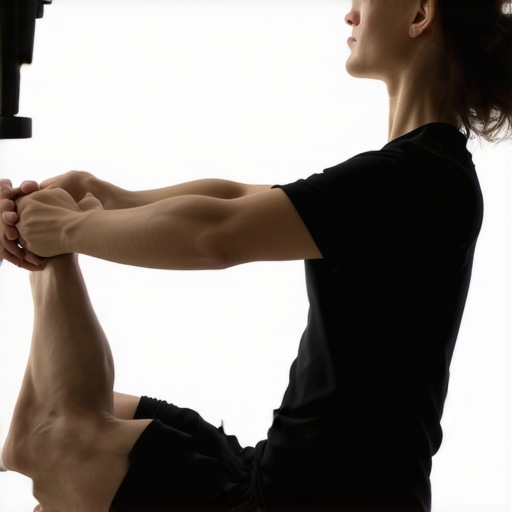
Before bed and upon waking, perform gentle hip openers like knee-to-chest stretches or the figure-four stretch. I remember a period when adding a 5-minute morning stretch, focusing on my hips, dramatically improved my mobility and reduced pain. These movements help release tight muscles and improve blood flow, making your hips more resilient and less prone to stiffness.
Practice Controlled Breathing to Ease Tension
Deep diaphragmatic breathing relaxes your core muscles and reduces overall tension, including in your hips. Sit comfortably, place a hand on your belly, and inhale slowly through your nose, feeling your stomach expand. Exhale completely, engaging your abdominal muscles. I practiced this during stressful days, noticing less tension in my hips and improved flexibility over time.
Develop a Consistent Sleep Schedule
Going to bed and waking up at the same time reinforces your body’s natural rhythm, facilitating better muscle recovery. Delayed bedtimes led me to toss and turn, aggravating my hip pain. Sticking to a routine helps your body adapt, ensuring your muscles and joints get the rest they need to stay healthy and pain-free.
Review Your Mattress and Bedding for Support
A mattress too soft or too firm can compromise your hip alignment. I once switched to a medium-firm mattress that supported my hips without sagging, which yielded noticeable improvements. Consider adding a mattress topper if your current bed isn’t supportive enough, and always opt for sheets that reduce friction and facilitate movement.
Seek Professional Guidance When Needed
If self-adjustments aren’t enough, consulting a healthcare professional can help tailor your sleep setup. I reached out to a specialist who recommended specific bodywork and posture techniques, which complemented my sleep adjustments perfectly. You can book a consultation through our contact page for personalized advice and therapy options.
Implementing these precise steps can transform your mornings from painful to pain-free, all by optimizing your sleep habits. Remember, small but consistent changes make a substantial difference over time.
Unmasking the Myths About Flexibility and Pain
Many believe that increased flexibility is always the answer to back, neck, or sciatica pain. Common advice emphasizes stretching as a universal fix, but in my deep experience working with clients, I’ve found this notion oversimplifies a complex issue. Often, excessive or misguided stretching can actually worsen symptoms, especially if underlying stability and alignment problems aren’t addressed first. Research from the National Institute of Neurological Disorders highlights that strengthening stabilizer muscles can be more effective than passive stretching alone in managing chronic pain. So, it’s crucial to go beyond the myths and understand the real mechanics behind mobility and pain.
Common Mistakes That Keep You Stuck
One of the most insidious traps is assuming that pain is purely a soft tissue problem needing more flexibility, when in fact, improper movement patterns and joint misalignments are common culprits. For example, many people unknowingly reinforce poor posture habitually, especially during repetitive tasks or sleep, leading to maladaptive motor patterns. Over time, these patterns create a cycle of pain, stiffness, and limited mobility. A key mistake is neglecting the importance of neuromuscular control—training your muscles to work properly together—not just increasing range of motion. Incorporate proprioceptive and stabilization exercises to reset your body’s movement patterns instead of just stretching endlessly.
Why Do So Many Self-Help Tips Fail?
It’s tempting to follow quick fixes like foam rolling or static stretching, but without understanding the underlying neural and structural factors, these methods can be superficial or even counterproductive. For instance, I advise clients to be cautious with foam rolling around the sciatic nerve, as improper technique may irritate nerves further. A study published in the Journal of Bodywork and Movement Therapies stresses that localized mobilization combined with targeted strengthening yields more sustainable results than generic foam-rolling routines. Therefore, combining myofascial release with exercises that promote joint stability and correct movement patterns is key for long-term relief.
Is Pain the Same as Limitation?
Here’s a nuanced point often missed: pain doesn’t always equate to damage or the inability to move. Many individuals experience pain due to neural sensitization, which amplifies discomfort without structural harm. For example, in chronic sciatica, nerve roots might become hypersensitive, causing pain even after the initial injury has healed. The true goal becomes reducing neural excitability and improving functional mobility. Techniques like gentle nerve flossing and controlled mobility exercises, combined with posture correction, can significantly improve symptoms. I recommend exploring comprehensive strategies for managing these nuances; you can start by reviewing articles on sciatica relief strategies.
Understanding these subtleties helps you avoid common pitfalls and craft an effective path to mobility and pain relief. Remember, true progress lies in addressing the root causes, not just surface symptoms. Have you ever fallen into this trap? Let me know in the comments.
Tools I Recommend for Sustained Mobility and Pain Relief
Maintaining your progress in managing back, neck pain, or sciatica requires the right equipment and consistent routines. Over the years, I’ve found that specific tools can make a significant difference in holding your improvements, scaling your efforts, and preventing relapse. A key recommendation is investing in a high-quality foam roller, but not just any—choose a diameter and density that suit your body weight and sensitivity. I personally prefer the Grid Foam Roller from TriggerPoint because its multi-density surface allows me to target my deep trigger points without aggravating surrounding tissues. Remember, as I advise in this article, improper foam rolling around sensitive areas like the lumbar spine can do more harm than good, so selecting the correct tool and technique is crucial.
Next, incorporate a reliable lumbar support brace when sitting for extended periods, especially if you’re scaling up your mobility exercises or standing routines. I recommend the Back on Track brace because it offers targeted compression and warmth, promoting circulation and muscle support, which prolongs your gains and prevents setbacks during busy days.
For tracking your progress and maintaining consistency, digital tools like MyFitnessPal or specialized physiotherapy apps help monitor your routines, ensuring discipline and motivation. I also suggest using a posture assessment app, such as Upright, which uses your smartphone’s camera to give instant feedback on your alignment—an invaluable asset for correcting habits that may undo your hard work.
Long-Term Results Require Consistency and Smart Scaling
As you advance, gradually increase intensity and complexity—adding resistance bands for strengthening or balancing exercises. The simple mobility routines I teach are designed to scale efficiently, preventing plateaus. Remember, regular reassessment, such as monthly posture checks, helps catch misalignments early, avoiding chronic issues. Keep in mind that digital tracking and routine adjustments underpin long-lasting resilience.
How do I maintain my improvements over time? Keep it simple, consistent, and adaptable. Incorporate tools like a massage ball, ergonomic assessments, and targeted exercises into your daily or weekly routine. As research in biomechanics shows, periodic assessment and adjustment are vital to prevent skill decay and tissue regression (see related research). Always listen to your body’s signals, and don’t hesitate to revisit the foundational techniques described earlier to recalibrate your progress.
To truly sustain these benefits, I encourage you to implement at least one advanced tip today—try using a tennis ball for self-massage along your sciatic nerve pathway, following proper guidance from this article. Consistency is your best ally, and integrating these tools and strategies ensures your mobility remains resilient against setbacks.
Start small, stay disciplined, and enjoy the long-term freedom from pain. To get personalized advice tailored to your specific needs, feel free to reach out via our contact page.
The Hardest Lesson I Learned About Mobility and Pain
One of the most pivotal insights I gained was that quick fixes rarely lead to lasting change. I once believed that a better pillow or a few stretching sessions would resolve my hip pain, but I soon discovered that addressing deeper alignment issues and neuromuscular control was essential. This taught me the importance of patience and consistency, and understanding that real progress involves retraining mind and body together.
My Toolkit for Lifelong Mobility
Over the years, I’ve curated a set of tools that fortify my routine—such as the my favorite foam roller for targeted release, a supportive lumbar brace for stability, and posture assessment apps to keep me accountable. These resources are trusted not just because they work, but because they integrate seamlessly into a lifestyle centered on proactive health.
Your Mindset Can Make or Break Progress
Perhaps the most overlooked element is your mindset. Embracing a growth perspective—seeing setbacks as part of the journey—can radically alter your experience. I remind myself daily that small, consistent actions compound over time. Sometimes, just the belief that relief is possible is enough to motivate the next step, whether it’s trying a new stretch or booking a professional assessment via our contact page.