
The Single Best Exercise for Stabilizing a Wobbly Lower Spine
Have you ever felt that unsettling wobble in your lower back when bending down to pick up something or simply standing up after sitting for a while? That strange, shaky sensation can be more than just annoying; it often signals underlying instability that could lead to chronic pain or even injury. I remember the first time I experienced this firsthand—trying to tie my shoes and feeling that unsettling tremor in my lumbar region. It was a lightbulb moment for me: my lower spine wasn’t as stable as I thought.
Why Spotting the Root Cause of a Wobbly Lower Spine is Crucial
In my journey to better mobility, I learned that a wobbly lower spine isn’t just a minor inconvenience—it can be a warning sign of deeper issues like weak core muscles or poor spinal support. The good news? There’s one exercise that, when done consistently, can significantly improve spinal stability and help you stand taller with confidence. But before diving in, let me share a common mistake I made early on: I believed rest and avoidance would fix my back. In reality, this only worsened my instability. For a comprehensive understanding, check out this article on posture and back pain.
Is the Fix as Simple as a Single Exercise?
Many skeptics worry that one move can’t possibly make a substantial difference. I used to think the same until I realized that the right, targeted activity can reset and strengthen critical support muscles. Starting this routine was a game-changer, and it’s accessible to everyone, no fancy equipment required. Ready to find out what it is? Let’s get to the core of the solution that can transform your mobility and reduce that wobble for good.
Start with the Brain-Muscle Connection
Before you even move, visualize your core muscles as your body’s stabilizing anchor. Think of your core as a flexible yet strong corset that holds your spine in alignment. During my first attempt, I focused solely on the movement without activating these muscles, which resulted in a wobbly sensation. To prevent this, practice engaging your core during each step—tighten your abdominal muscles gently as if bracing for a light punch. This mental connection is crucial for all subsequent exercises.
Learn the Bridge Technique Properly
The bridge is a fundamental move to strengthen your glutes and lower back. Lie on your back with knees bent, feet flat on the floor, hip-width apart. Engage your core, then press through your heels to lift your hips off the ground until your body forms a straight line from shoulders to knees. Lower slowly and repeat. In my messy first try, I lifted too quickly, which lacked control. Focus on slow, deliberate movements—quality over quantity—and ensure your hips don’t sag or over-arch. This move trains your posterior chain, vital for stability.
Integrate the Bird Dog for Dynamic Stability
Get on your hands and knees, shoulders over wrists, hips over knees. Extend one arm forward and the opposite leg back, keeping your pelvis steady. Hold for a few seconds, then switch sides. I initially swung my limbs wildly, losing balance, but refined my control by tightening my abdominal muscles and keeping my back flat. Think of this exercise as balancing a glass of water on your back—maintain a neutral spine to avoid spilling. Regular practice enhances coordination between muscle groups essential for spinal support.
Progress with Controlled Planks
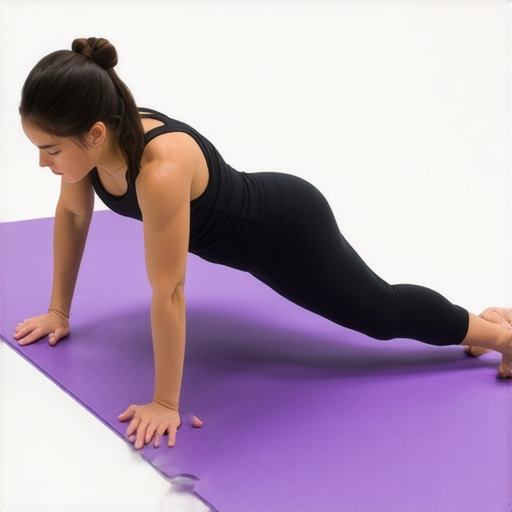
Planks activate multiple core muscles simultaneously. Start in a forearm plank position, elbows under shoulders, body in a straight line. Engage your core by pulling your navel towards your spine. I first held the position too long with sagging hips, but learned to modify by dropping to knees until I built strength. Keep your neck aligned with your spine by gazing at a fixed point on the ground. Incorporate side planks for lateral stability, which is often neglected but critical for preventing wobble during daily activities.
Combine Movement and Breathing Skills
Effective stability isn’t just about muscular control—your breathing plays a role too. Inhale deeply through your nose, expanding your diaphragm; exhale slowly while engaging your core. I found that synchronized breathing during exercises heightened my focus and muscle activation, reducing unintended wobbling. Think of your breath as the rhythm that keeps your muscles tuned and responsive.
Practice Daily for Lasting Results
Consistency is key. Set aside 10-15 minutes daily to perform these exercises, gradually increasing intensity. Remember, it’s normal for initial attempts to feel awkward or uncoordinated—messy form is part of growth. Over time, with mindful practice, you’ll notice your lower back feeling more supported and less wobbly during everyday movements. For more detailed insights into routine building, visit this guide on managing back pain.
When it comes to mobility, neck pain, back discomfort, and sciatica, many individuals are misled by oversimplified solutions or common myths. One widespread misconception I often encounter is the belief that stretching alone can resolve deep-rooted joint or nerve issues. While flexibility is important, neglecting strength and neurological factors can make matters worse. For instance, some folks focus solely on hamstring stretches, unaware that tight calves or faulty breathing patterns might be contributing more to their back pain than they realize. Research indicates that muscle imbalances and poor motor control often underlie persistent discomfort, which simple stretching fail to address effectively.
Why Does Your Body Keep Saying No Despite Your Efforts?
It’s tempting to think that more exercises or prolonged stretching sessions will fix everything, but the nuance lies in how your nervous system perceives threat and initiates protective tension. Over time, repetitive patterns of bad posture or improper movement become ingrained, leading to pain and stiffness. These are signs that you need targeted neuro-motor retraining rather than generic routines. Many practitioners overlook the significance of retraining proprioception and movement variability, essential for restoring true mobility. For example, focusing solely on flexibility without improving control can result in acute injuries or chronic pain cycles. A study published in the Journal of Orthopaedic & Sports Physical Therapy emphasizes that addressing neuromuscular deficits results in better long-term outcomes than just increasing range of motion.
How Do I Keep My Mobility Tools Effective Over Time
Maintaining your progress with mobility exercises and tools requires more than just initial effort. I personally rely on a combination of precision equipment and digital resources to ensure sustained results. One of my favorite tools is the Kinetic Stability Ball. Unlike generic exercise balls, I prefer ones with textured surfaces because they provide better grip and activation of stabilizer muscles, which is vital for preventing wobbliness and nerve irritation. Regularly using the ball for dynamic exercises helps my body respond to unpredictable movements, mirroring real-life demands and reinforcing stability.
Equally important is integrating digital tracking. I utilize smartphone apps like MyFitnessPal and dedicated mobility trackers to log sessions, monitor progress, and set reminders. This not only keeps me accountable but also helps in adjusting routines based on effectiveness, promoting long-term adherence. Technology like wearable motion sensors offers real-time feedback on posture and movement quality, which is invaluable for avoiding regressions.
Why Use Maintenance Routines for Nerve and Back Health
Long-term results hinge on consistently re-engaging neural pathways and strengthening support muscles. Neglecting maintenance can gradually lead to the return of pain or instability. For instance, I schedule weekly mini-sessions focusing on neuro-motor control exercises, adapted from neck pain management techniques. These sessions include neuro-gliding exercises that keep nerves mobile and prevent adhesions, much like preventive maintenance on a vehicle to avoid breakdowns.
Scaling Your Movement Strategy as You Improve
As your mobility improves, slowly scaling the difficulty is crucial for continued progress. I recommend adding controlled resistance, like resistance bands for bird dog or side planks, to challenge stability muscles further. Also, incorporating schedules for advanced tools, such as proprioception mats or balance boards, can elevate your training. These tools are great for simulating complex movements, vital for real-world stability and nerve resilience, especially if you’re managing sciatic or neck pain.
How Do I Maintain My Back and Nerve Health Over Time?
Consistency is truly the backbone of longevity in pain management. Establishing daily routines that include mindful movement, breathing techniques, and occasional check-ins with physical therapists can prevent setbacks. For ongoing support, I recommend engaging with comprehensive programs like lifestyle adjustments for sciatica relief. Every few months, revisit your routines, adjust the intensity, and incorporate fresh tools like foam rollers or massage balls to combat stiffness. Remember, as research in neuroplasticity shows, retraining your nervous system is a lifelong process that benefits immensely from consistent, purposeful activity. Feel free to experiment with techniques like the 10-minute mobility circuit I outlined earlier — it’s simple but remarkably effective for long-term resilience and can be easily integrated into your daily life.
Lessons the Wobbliest Spines Taught Me
- The Power of Small, Consistent Movements: I used to believe occasional intense workouts would fix everything, but I realized that daily, mindful movements build resilience better than sporadic effort.
- Listening to Your Body’s Quiet Signals: That subtle wobble? It was my body’s way of whispering that I needed to focus on stability routines rather than just stretching in a rush.
- Neuro-Motor Control Is Key: Strength alone isn’t enough; retraining my nervous system to recognize safe movement patterns changed my entire approach to spinal health.
Tools and Resources That Made a Difference
- Kinetic Stability Ball: Its textured surface challenged my stabilizer muscles and provided real-time feedback, crucial for nerve and back support.
- Mobility Tracking Apps: Digital tools like MyFitnessPal helped me stay accountable and allowed me to adjust my routines, ensuring continued progress.
- Neuro-Gliding Exercises: These simple, targeted movements, recommended in resources like this guide, kept my nerves healthy and my back pain at bay.
- Proper Ergonomics: Small adjustments in my workspace setup, based on expert insights, prevented unnecessary strain and supported my stability journey.
Embrace Your Journey with Confidence
Remember, every wobble and every win brings you closer to a stronger, more stable spine. Consistent practice, informed choices, and patience unlock a future where mobility isn’t a worry but a proven strength. The process isn’t easy, but with the right mindset and tools, you can turn your mobility challenges into your greatest success story. Don’t hesitate to take that first step—your body and future self will thank you.
What’s the one adjustment you’re excited to try today to improve your spinal stability? Share your thoughts below and start your transformation now!
,