
The Single Most Effective Move for Opening Up Tight Hips

I remember the moment vividly. It was after a long day of sitting at my desk, feeling that familiar tightness in my hips and a dull ache that just wouldn’t go away. I tried stretching, shifting, even rolling on a foam roller, but nothing provided lasting relief. That frustration turned into a lightbulb moment—what if there was a single, effective move I was missing? Since then, my hips have become more open, and my mobility has improved beyond what I thought possible. If you’re tired of feeling stiff and limited in your movements, you’re in the right place.
The Secret to Unlocking Your Hips: One Simple Move
Many people don’t realize that the key to opening up tight hips isn’t about complex routines or hours in the gym. Sometimes, it’s just one move—something you can do anytime, anywhere—that targets the root of the problem. This revelation transformed my approach and, more importantly, my daily comfort. Today, I promise to share that move and guide you through how it can help you regain freedom in your hips and improve your overall mobility.
Is This Move Too Good to Be True?
Early on, I made a classic mistake—thinking that a quick stretch would fix my hip tightness. I didn’t realize that neglecting the underlying hip flexors and the surrounding tissues was why those stretches weren’t enough. Many folks overlook the importance of strengthening and activating specific muscles rather than just stretching. If you’re skeptical—trust me, I was too—know that a targeted approach, including this simple move, can make a real difference. And if you’re curious, check out how poor hip mobility can contribute to issues like lower back pain [here](https://bodyrenewtherapy.com/understanding-the-link-between-poor-posture-and-chronic-back-pain). It’s eye-opening!
Now that I’ve shared the basic idea, let’s dive into why this move works and how it can help you unlock your hips for good.
Targeted Hip Activation
Start by lying flat on your back with knees bent and feet flat on the floor. Place your hands on the sides of your pelvis to feel stability. Gently press your lower back into the floor as you tighten your core muscles. Imagine trying to bring your hips closer together. This engages the deep hip muscles, which are often overlooked but crucial for mobility. I remember once doing this move incorrectly—lifting my hips too high—leading to frustration. Now, focusing on slow, controlled engagement, I felt a difference within a few days.
Use Your Breath to Enhance Activation
As you tighten your core and hips, inhale deeply to prepare, then exhale slowly as you press your lower back into the floor and engage your hips. Think of breathing as a tool to amplify muscle control. This coordinated effort helps in creating a stable base, making subsequent movements more effective. Incorporating this breathing pattern is similar to tuning a musical instrument—precision matters for harmony and function.
Dynamic Hip Opening
Shift to a gentle bend of your knees and let one ankle cross over the opposite knee, forming a figure four shape. Using your hands, gently pull the uncrossed leg towards your chest until you feel a stretch in your hip. Remember, avoid forcing; the goal is a comfortable stretch, not pain. In a recent session, I struggled with tight hips, and initially, I pushed too hard. Relaxing into the stretch allowed me to feel a gradual release, making me more aware of my body’s limits.
Control Your Breathing for Better Results
As you hold the stretch, inhale to prepare, then exhale slowly while deepening the stretch slightly without causing discomfort. Visualize your breath as a tool to soften tight tissues—each exhale helping your muscles relax further. This rhythmic breathing transforms a simple stretch into a potent relaxation technique and promotes tissue elasticity.
Incorporating Movement in Daily Routine
Stand up and perform controlled leg swings—holding onto a stable surface, swing one leg forward and back. Keep the movements smooth and within a comfortable range. Think of this as warming up your joints, much like oil lubricates machinery. I added these swings into my morning routine, and over time, I noticed less stiffness and more effortless mobility in daily tasks.
Embrace Consistency over Intensity
Perform 10-15 swings per leg, gradually increasing range as comfort allows. Remember, consistency beats intensity—doing these motions regularly pays off more than sporadic intense sessions. Watch out for compensations, like leaning to one side; focus on control to prevent developing imbalances. This simple habit, integrated into daily life, significantly impacted my hip health and prevented stiffness from creeping back.
Addressing Underlying Tension
If you notice lingering tightness, consider gentle foam rolling around the hips and thighs. Think of foam rolling as a way to release knots—like kneading dough to make it more pliable. I once ignored this step, but applying gentle pressure with a foam roller reduced tightness faster than stretching alone. Be sure to move slowly and avoid rolling directly over joints or bony prominences.
Combine with Posture Awareness
Pair these movements with ergonomic assessments—like ensuring your computer screen is at eye level—to maintain optimal posture during daily activities. Proper alignment reduces strain on the hips and lower back, breaking the cycle of tension. For more detailed tips, check how ergonomic adjustments can support back health [here](https://bodyrenewtherapy.com/enhance-your-back-mobility-ergonomic-tips-for-everyday-comfort).
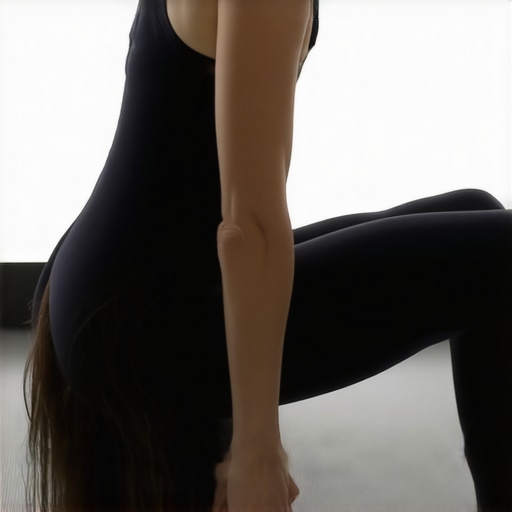
Many individuals believe that simply stretching or resting will resolve persistent back, neck, or sciatic pain, but this is a misconception that often delays effective treatment. The common myth is that pain originates solely from muscle tightness or minor strains, leading many to overlook deeper issues like nerve impingements or structural misalignments. In reality, pain is frequently a symptom of underlying dysfunction that requires a nuanced approach, including assessing posture, joint health, and nerve mobility. For instance, some studies suggest that modern lifestyles—characterized by prolonged sitting and poor ergonomics—contribute to chronic pain syndromes by altering the natural biomechanics of the spine and hips, which many ignore. To truly address pain, it’s crucial to identify and correct these fundamental mechanics rather than just treating the symptoms.
One common trap is over-relying on passive remedies like heat packs or massage while neglecting active, targeted exercises that restore mobility and strengthen stabilizing muscles. This oversight can make pain worse over time, especially if incorrect movements reinforce faulty patterns. A perfect example is the tendency to perform aggressive stretching routines for a stiff back—without considering whether mobility restrictions stem from joint capsule tightness or nerve restrictions, which passive stretching alone won’t improve. Instead, integrating controlled activation exercises and neural gliding techniques can make a significant difference [see here](https://bodyrenewtherapy.com/unlocking-sciatica-relief-expert-strategies-for-lasting-comfort).
Why do many treatments fail long-term? Because they neglect the complex, multi-layered causes of pain. Chronic conditions often involve nervous system sensitivities, muscular imbalances, and postural habits that perpetuate discomfort. For example, neck pain isn’t just about tight muscles; it might be related to maladaptive movement patterns, forward head posture, or even stress-induced muscle tension [more info here](https://bodyrenewtherapy.com/neck-pain-and-stress-how-to-break-the-cycle-for-good). Recognizing these nuances helps differentiate effective strategies from well-meaning but ineffective remedies.
A key advanced insight is that addressing pain requires understanding neuro-muscular control: how the brain and nerves coordinate movement and load distribution. Ignoring this can cause persistent flare-ups despite ongoing exercises. For example, nerve impingements in sciatica can mimic muscular tightness but require specific nerve mobilization techniques for relief. As experts suggest, comprehensive assessment should include nerve tension tests, especially in recurrent cases [explore techniques here](https://bodyrenewtherapy.com/understanding-the-link-between-poor-posture-and-chronic-back-pain).
Remember, quick fixes rarely lead to lasting results. Instead, adopting a layered, mindful approach—integrating posture correction, neural mobility, and functional strengthening—offers sustainable relief. Stay cautious of oversimplified solutions and seek insights rooted in your body’s specific needs. Want to dig deeper? Check out how failed mobility corrections can lead to secondary injuries [here](https://bodyrenewtherapy.com/mobility-mastery-daily-tips-to-keep-your-spine-and-joints-healthy).
Have you ever fallen into this trap? Let me know in the comments.Maintaining your progress in alleviating back, neck, or sciatic discomfort isn’t just about sporadic exercises; it requires a strategic approach leveraging effective tools and routines. One of my personal favorites is a structured mobility app like “MobilityWOD,” which guides me through daily tailored routines. It helps keep my joint health in check and reminds me to move intentionally throughout the day, preventing stiffness from creeping back. Additionally, investing in a high-quality foam roller, like the “TriggerPoint GRID,” has been a game-changer. Its density and surface design enable me to target deep fascial tissues safely and efficiently, especially around the hips and thighs, which are often neglected but crucial for long-term relief.
For those struggling with nerve-related pain, I highly recommend nerve gliding kits such as the “NeuroMechanics Exercises” bundle. These tools complement your active routines by promoting nerve mobility, which is essential for conditions like sciatica or nerve impingements. I personally incorporate these into my daily practice, noticing significant improvements in pain reduction over weeks.
On the software side, wearable tech like the “Whoop Strap” or “Apple Watch” with posture monitoring apps assists in maintaining ergonomic awareness throughout the day. These devices provide gentle reminders to adjust your posture when you’ve been static for too long, reducing strain accumulation. Regularly reviewing your sleep and activity data allows you to fine-tune your routines, ensuring sustained progress.
Looking ahead, I see the trend moving toward more AI-driven personalized routines. Algorithms that adapt to your unique biomechanics and pain patterns could provide even more precise recommendations. Already, some platforms analyze your movement patterns via smartphone sensors to suggest corrections before discomfort becomes chronic.
**How do I keep my tools working over time?** Consistency is key. Schedule daily check-ins with your chosen routines, and don’t underestimate the power of small, incremental adjustments. For example, incorporating a 2-minute nerve glide exercise after prolonged sitting dramatically decreases sciatic flare-ups and promotes nerve health. And to keep motivation high, I recommend setting achievable goals—like committing to 5 minutes of mobility work each morning—and tracking your progress.
Finally, consider consulting with a healthcare professional periodically to ensure your tools and routines continue to align with your evolving needs. Regular assessments can catch subtle issues early, preventing setbacks and ensuring lasting results. If you’re serious about long-term health, I encourage you to try integrating one advanced tool from this list this week and observe how it supports your journey.
The Hidden Wisdom I Wished I Discovered About Hip Mobility
One of the most profound lessons I learned is that progress often comes from simplicity—sometimes, the single move or mindset shift can be more effective than complex routines. I used to believe that intensive stretching or daily gym sessions were the only solutions, but I overlooked that unlocking tight hips requires targeted activation and consistent gentle effort.
Another revelation was understanding that pain and stiffness are often signs of underlying neural and muscular imbalances, not just overstretched or tight tissues. Addressing the root causes—like nerve mobility and postural habits—made a bigger difference than quick fixes.
Lastly, I realized that patience and self-awareness are key. Progress in mobility isn’t linear; celebrating small victories keeps motivation high and prevents frustration. Recognizing these lessons transformed my approach and, ultimately, my quality of life.
My Top Picks for Staying on Track
There’s a handful of tools that have become essential in my journey toward better hip and back health. The Mobility Mastery program offers guided routines tailored for real-world improvement and is what I trust for structure. For foam rolling, I recommend the TriggerPoint GRID; it’s durable and hits those tight spots around the hips and thighs effectively. To refine your posture and alignment, ergonomic tools like adjustable desks or supportive chairs can bring lasting benefits, especially when combined with mindful movement habits.
For nervous system health, nerve gliding exercises, like those found in the Sciatica Relief Guide, have been a game-changer. These help calm irritable nerves, reducing shooting pains and stiffness. Lastly, stay connected with credible content like posture and back pain insights to keep your awareness sharp and your routines effective.
Your Next Move Begins Today
Achieving lasting relief from hip tightness and back discomfort isn’t about one perfect move; it’s about creating a sustainable habit. Remember, your body adapts through consistent, mindful effort—small improvements add up over time. You have the power to regain movement freedom, so start today with that single gentle stretch or activity you’ve been postponing. The future of your mobility depends on the choices you make now.
What’s one small step you’re willing to take today to improve your hip or back mobility? Let me know below—your progress might inspire someone else to start too.
,