
The Small Adjustment in Your Squat That Protects Your Lower Lumbar
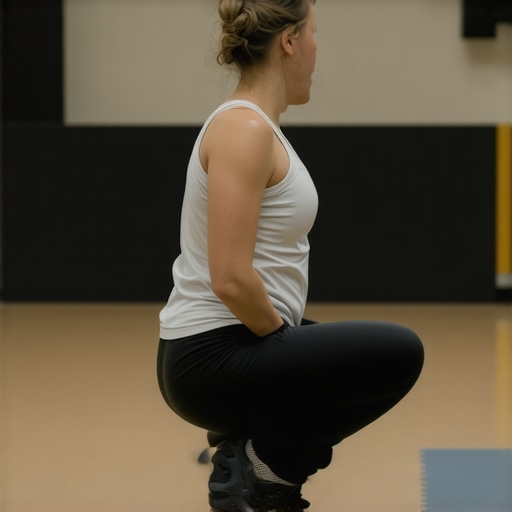
Ever felt that sharp zap in your lower back after a routine squat, making you wonder if your spine is giving out on you? I know that feeling all too well. There was a time I pushed through a heavy set, only to be greeted the next morning by a dull, persistent ache that refused to fade. It was a lightbulb moment for me—realizing that tiny, almost imperceptible adjustments could make a world of difference in protecting my lower lumbar.
Why Minor Changes Can Make or Break Your Back Health
When I first started my fitness journey, I believed that going deeper into my squats was the key to building strength. But I overlooked a small detail—my pelvic tilt and how I aligned my hips during the movement. It wasn’t until I discovered that a subtle shift in how I initiated my squat—specifically in engaging my core and ensuring my pelvis remained neutral—that I began to notice less discomfort and more strength gain.
This little tweak isn’t just about comfort; it’s about longevity. According to recent research, improper lumbar positioning during lifting can increase injury risk, especially in the lower back area, which is often the weakest link in many people’s movements. That’s why it’s crucial to pay attention to—and master—these minute adjustments. They’re simple, but their impact on your spine’s health can be profound, avoiding that nagging pain and preventing serious injuries over time.
Could One Small Change Save Your Back?
Now, I’ll be honest—I made a common mistake early on. I thought that as long as I was lifting heavier weights with good form, I was safe. But I ignored the importance of how I set up my spine before even lifting off the ground. The truth is, it’s often the tiny, overlooked details—like bracing your core or slightly adjusting your foot position—that keep your lower lumbar protected during squats.
If you’ve been struggling with back discomfort or just want to avoid potential injury, understanding and implementing this small adjustment could be a game-changer. Want to learn how to do it correctly? Keep reading, and I’ll walk you through the simple steps that transformed my approach, and could do the same for you.
Take Action Now to Safeguard Your Spine
Before we dive into the practical tips, ask yourself—have I experienced lower-back pain after my workouts? If so, it’s time to reassess your squat technique and embrace these tiny but mighty adjustments that can protect you for years to come. Remember, sometimes the biggest breakthroughs come from the smallest changes. Interested in a quick mobility check? You can get started [here](https://bodyrenewtherapy.com/mobility-mastery-daily-tips-to-keep-your-spine-and-joints-healthy), to ensure your spine and joints are primed for safe training.
Refine Your Setup for Safer Squats
Start by standing with your feet shoulder-width apart, ensuring your toes slightly point outward. Engage your core muscles by imagining pulling your belly button towards your spine—this bracing creates a solid foundation. As you prepare to squat, think of your pelvis as a bowl of water; keep it level to prevent tilting forward or backward. During my early workouts, I often overlooked this step, leading to unnecessary strain. Once I consciously kept my pelvis neutral and activated my core, my back pain diminished significantly.
Spot the Friction Point
Imagine trying to open a stubborn door: you need the right angle and force. Similarly, with your hips, a slight tweak in your foot position—turning toes out just a tad—can improve hips’ alignment and reduce lumbar stress. I experimented with different stances until I found the position that felt most natural and safe. Remember, a small change can lead to a big difference in how your back feels post-workout. For precise alignment tips, check out this guide.
Engage Your Core Effectively
Think of your core as a corset—tightening it supports your entire spine. Lie on your back with knees bent and feet flat on the floor. Take a deep breath, then as you exhale, gently draw your belly button inwards, feeling your lower abdominal muscles activate without holding your breath. My mistake was rushing this step, which made my lower back unstable during lifts. When I slowed down and focused on proper engagement, I experienced less discomfort and more control in my movements. For detailed core activation drills, visit this article.
Optimize Your Breathing and Tension
Breathing isn’t just about oxygen—it directly influences intra-abdominal pressure, which stabilizes your lumbar spine. Think of inhaling as inflating a balloon inside your abdomen; exhaling deflates it, maintaining tension. When lifting, inhale before descending, hold your breath briefly at the bottom (the Valsalva maneuver), then exhale steadily as you rise. I used to forget this timing, leading to a floppy core and strain. Mastering proper breathing technique made my lifts safer. For calming sciatic flare-ups, see these quick remedies.
The Power of Micro-Adjustments in Everyday Movements
Outside the gym, small posture corrections during daily tasks prevent chronic issues. When you bend to pick something up, hinge at your hips rather than your waist—imagine closing a book by folding at the hips. Keep your back straight and engage your core, avoiding rounded shoulders and slouched hips. I noticed that correcting my sitting posture, especially at a desk, prevented weekly back stiffness. For ergonomic tweaks, explore these tips. Consistent micro-adjustments add up, fortifying your lower back against injury and pain over time.Many assume that chronic back pain or sciatica stems solely from structural issues or injury, but this oversimplification can be misleading. One common misconception is that pain always indicates serious damage requiring aggressive treatment. In reality, pain can be a complex symptom influenced by neural, muscular, and even psychological factors. For instance, persistent discomfort may originate from faulty movement patterns or unresolved mobility restrictions that many overlook. Studies, such as those published in the Journal of Orthopaedic & Sports Physical Therapy, highlight how movement dysfunctions often perpetuate pain cycles rather than direct tissue damage, emphasizing the importance of nuanced assessments beyond surface symptoms.
Is Your Approach to Back Issues Missing Critical Factors?
Often, people focus solely on strengthening exercises or stretching without addressing underlying mobility limitations or postural habits. This can lead to temporary relief but potentially worsens the condition over time if the root cause isn’t targeted. A key trap here is misidentifying the true source of pain—what seems like a lumbar strain might actually be a pelvic or hip mobility restriction that manifests as back discomfort. Incorporating comprehensive mobility checks, like those outlined in expert guides, can uncover these hidden contributors, enabling more effective interventions. Remember, treating symptoms without understanding their underlying drivers often leads to recurrent issues. To better identify these nuances, exploring resources on daily mobility tips can make a significant difference in your recovery strategy and long-term spine health.
Maintaining optimal back condition requires more than just daily stretches and mindful movement; it demands a strategic approach involving reliable tools, consistent routines, and awareness of how to adapt as your body changes. In this article, I’ll share the exact equipment and methods I personally use to ensure my spine stays healthy and resilient over time, and how you can implement these practices into your routine for sustainable results.
The Right Tools for Lasting Back Care
One of my most valuable investments has been a high-quality foam roller. I prefer a dense, slightly textured model because it provides effective myofascial release without causing discomfort. Using it regularly—especially on my hips, hamstrings, and lower back—helps prevent tightness that could lead to pain or mobility issues. For targeted relief, I keep a PT-grade massage ball handy, allowing me to reach hard-to-access knots in muscles like the piriformis, which is often implicated in sciatica. These tools are simple but effective, and I use them as a part of my nightly routine to manage tension before it becomes a problem.
Complementing physical tools, I rely on mobility software like guided video routines from reputable sources. There’s a trend toward personalized movement plans powered by data and video feedback, which I see as promising for future back health solutions. For now, I prefer platforms that emphasize precise form and gradual progression—like those that include assessments and progress tracking. These digital tools help me stay accountable and ensure I’m showing up for my mobility every day.
When and How to Use Supportive Equipment
While daily mobility tools are great, sometimes subtle external supports make a difference. I always carry a lumbar support pillow for long drives, especially if I’m on a journey that involves many hours of sitting. This pillow keeps my lumbar curvature aligned, reducing strain and preventing soreness. Additionally, I use ergonomic accessories—like adjustable keyboard stands—to maintain proper posture during work hours. These adjustments may seem minor, but over weeks and months, they help in maintaining spinal alignment and reducing cumulative stress.
In the future, I predict that smart wearable tech—such as posture sensors that give real-time feedback—will become mainstream. Already, some devices connect to apps that notify you when your posture deteriorates, making micro-corrections automatic. Integrating such technology could revolutionize how we maintain back health, transforming reactive routines into proactive prevention.
How do I keep my back healthy long-term?
The key to longevity lies in developing a consistent routine that combines manual tools, ergonomic adjustments, and mindful movement. Regularly using my foam roller and massage balls keeps my muscles supple, while digital programs reinforce proper patterns. Supporting equipment like lumbar pillows and ergonomic accessories serve as passive safeguards, especially during prolonged periods of sitting. To stay ahead of potential issues, I also schedule periodic check-ins with a mobility specialist—akin to the assessments discussed in the cornerstone content—that can identify subtle imbalances before they turn into pain.
However, tools are only part of the equation. It’s vital to listen to your body, stay adaptive, and incorporate movement variations to prevent stagnation. A smart tip I recommend trying right now: incorporate a quick, targeted nerve glide exercise during your workday. This simple move can improve nerve mobility and reduce sciatica flare-ups. For detailed instructions, visit this resource.
Remember, maintaining back health is a dynamic process. Regularly check in with your routines, adjust your tools as needed, and stay informed about emerging innovations. By investing in proper equipment and consistent practices, you’ll give your spine the best chance to keep functioning well for years to come.
Having navigated the complex landscape of back health myself, I realized that some of the most powerful insights came from unexpected lessons—small revelations that transformed my approach and profoundly impacted my well-being. These insights shed light on facets of mobility and pain that many overlook, yet they hold the potential to redefine your journey toward a resilient spine.
Secrets I Wish I Discovered Sooner in Back Care
- Progress Isn’t Always Linear: I used to think that consistent routines guaranteed steady improvement. But I learned that plateaus and setbacks are part of the process, urging patience and adaptability. Recognizing this helped me stay motivated even when progress seemed slow.
- Mind-Body Connection Matters More Than I Thought: Focusing solely on physical exercises, I overlooked how stress and mental tension could sabotage my mobility efforts. Embracing mindfulness and relaxation techniques became essential allies in my back health journey.
- One-Size-Fits-All Doesn’t Work: Every body is unique. What alleviates pain for one person might not for another. Personal experimentation and listening to your body’s responses are crucial in tailoring effective strategies.
- The Power of Daily Micro-Movements: Incorporating small, consistent movements throughout the day prevents stiffness better than sporadic stretching. These micro-adjustments become potent tools to maintain mobility and reduce discomfort.
- Patience Is a Virtue: Immediate relief is alluring, but sustainable healing often requires time and persistent effort. Embracing patience keeps frustration at bay and fosters long-term resilience.
Tools That Made a Difference in My Back Journey
- High-Quality Foam Rollers: Targeted myofascial release helped alleviate tightness and maintained my mobility. I trust the dense, textured varieties for their effectiveness and comfort.
- Guided Mobility Programs: Structured routines from reputable platforms provided accountability and precise feedback. They ensured my exercises were safe and impactful.
- Ergonomic Support Devices: Lumbar pillows and adjustable stands aligned my posture during prolonged sitting, preventing habitual strain. These supports became proactive measures rather than reactive fixes.
- Wearable Posture Tech: Smart sensors offered real-time feedback, empowering me to correct habits instantly. Embracing technology integrated seamlessly into my daily life, making posture awareness effortless.
Believe in Your Power to Change Your Back
Your back health isn’t a fixed destination but a continuous voyage. Every small step—be it adjusting your desk setup or embracing mindful breathing—contributes to a stronger, pain-free spine. I encourage you to experiment with these insights and tools, and remember that consistency and patience are your best allies. If you’re ready to take control, explore more about maintaining your back and joint health through resources like this guide that helped me craft a routine tailored to my needs.
What subtle change have you recently made that made a noticeable difference in your back comfort? Share your experience below—I’d love to hear your story!