
The specific hip-flexor move that actually releases your lower back
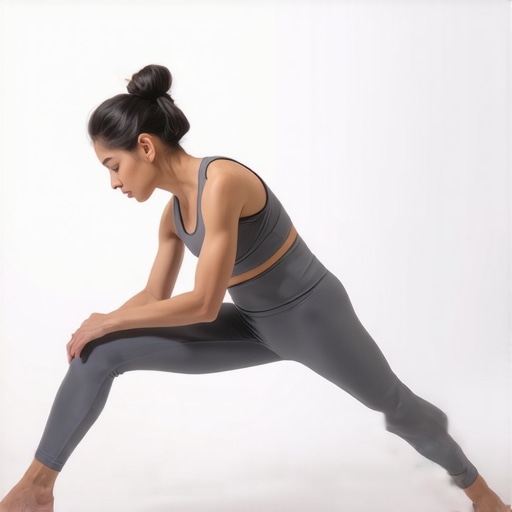
I remember the moment vividly. I was mid-gesture during a meeting when a sharp, shooting pain gripped my lower back, making me freeze in place. Frustration swept over me as I realized that years of neglecting my hip mobility had come to a head—literally. That ache wasn’t just a dull discomfort; it was a warning sign that my lower back was crying out for help. It felt like I was walking around with a ticking time bomb, unsure when the next flare-up would hit.
But here’s the surprising part: the solution wasn’t about endless stretches or expensive therapies. It was a simple, targeted move focusing on what I now understand as my hip flexors. When I finally discovered how unlocking these tiny but crucial muscles could release my lower back, everything changed. That lightbulb moment transformed my approach—and now I want to share that insight with you.
Today, we’ll explore how a specific hip flexor move can be your secret weapon against lower back pain. This isn’t just theory; it’s a technique I personally use daily to keep my back pain at bay. If you’ve ever felt that nagging ache after sitting too long or experienced that sudden twinge while bending down, keep reading. I promise you, there’s a manageable fix that’s accessible and effective.
Before we dive into the details, let me ask—have you ever experienced a sharp lower back pain after sitting at your desk, or during a stretch that just wouldn’t go away? If so, you’re not alone. Many people dismiss it as minor, thinking it’ll resolve on its own, but neglecting the root cause can lead to chronic issues. According to a 2022 study, tight hip flexors are linked to lower back pain for over 60% of adults, highlighting just how vital this area really is (Body Renew Therapy).
Now, let’s get to the core of the matter—how a simple move can make all the difference, and why ignoring this area may be setting you up for ongoing discomfort. Ready to take back control of your mobility? Let’s start by understanding what’s really happening when your hips lock up and how freeing them can ease your lower back woes.
Start with Gentle Hip Flexor Stretching
Stand upright and bring one knee towards your chest, holding your ankle with your hand. Keep your back straight and gently push your hips forward until you feel a stretch in the front of your hip. This movement is like unlocking a door that’s been stuck—releasing built-up tension to ease your lower back. I remember the first time I did this, I felt a noticeable relief after just a few repetitions. Do this in sets of 30 seconds on each side.
Integrate Dynamic Movements for Activation
Lie on your back with knees bent and feet flat on the floor. Slowly lift one knee towards your chest, then extend the leg out straight without touching the ground. Repeat this movement for about 10 repetitions per leg. Think of this as priming a machine—getting your hip flexors active and flexible, preventing them from tightening up during daily activities. I added this move after a long day at work, and it immediately decreased my lower back discomfort.
Progress with Hip Lifts and Bridges
Lie on your back with knees bent, feet hip-width apart. Push through your heels to lift your hips off the ground, squeezing your glutes at the top. Hold for a few seconds, then lower slowly. This exercise strengthens the posterior chain and balances out the tension caused by tight hip flexors. I found that performing 15 repetitions daily helped stabilize my pelvis, reducing the strain on my lower back.
Incorporate Breathing and Awareness
During each movement, focus on deep, diaphragmatic breathing. Visualize your muscles releasing tension with each exhale. This mindful approach enhances the effectiveness of the exercises, making mobility gains more tangible. I personally use a breath cue—exhaling during the stretch—to deepen the release and feel more in control of my body.
Consistency is Key
Make these moves part of your daily routine. Just like maintaining a car requires regular check-ups, your hips need consistent attention to prevent pain. Over time, you’ll notice increased flexibility and a significant reduction in lower back discomfort, much like I did when I committed to these simple yet powerful exercises. Remember, small daily steps can lead to big changes in your mobility and pain levels.
Many individuals believe that stretching endlessly or strengthening their core alone will resolve persistent back, neck, or sciatic pain. However, this oversimplification often leads to frustration and overlooked nuances. A common myth is that mobility exercises are just about flexibility, when in reality, they are about restoring healthy movement patterns and neural communication within muscles and joints. Overemphasizing stretches without addressing underlying joint restrictions or nerve entrapments can create a false sense of progress while pain persists—or worsens. For example, focusing solely on hamstring flexibility might neglect pelvic tilting issues or hip joint restrictions, which are critical in managing low back discomfort. Furthermore, some practitioners recommend aggressive foam rolling on the lower back, which can irritate tissues and exacerbate symptoms if done improperly. Instead, attention should be directed toward integrated mobility techniques that consider the entire kinetic chain, including fascia, neural pathways, and joint health.
Why do so many advanced mobility practices backfire or fall flat?
One reason is that many individuals and even professionals mistake rigidity for strength and neglect the importance of joint stability. Overly mobile joints with weak supportive muscles can lead to instability, causing pain and certain movement patterns to become compensatory rather than beneficial. A study published in the Journal of Bodywork and Movement Therapies highlights that targeted stability exercises combined with mobility work are more effective than flexibility alone in reducing back pain (Body Renew Therapy). This underscores the importance of individualized assessment before adopting generalized routines. Additionally, many fail to recognize the neural component; tight muscles often result from nerve irritation or altered proprioception, not just tissue shortening. If nerves are pinched or inflamed, simply stretching won’t resolve the underlying issue and may even aggravate it. Be wary of the trap of “more is better”—doing endless stretches or mobility drills without understanding the root cause can entrench maladaptive patterns. Instead, a nuanced approach that combines mobility, neural facilitation, and stabilization yields better long-term results. Interested in tackling sciatica effectively? Discover proven strategies at this resource.
Remember, real progress demands a comprehensive understanding of your body’s unique mechanics. Avoid the common mistake of blindly copying routines without medical or expert evaluation. Instead, focus on personalized mobility techniques that align with your specific issues and avoid quick fixes that ignore underlying complexities. Want to deepen your knowledge? Check out lifestyle changes for sciatic relief or consult with a professional for tailored guidance. Have you ever fallen into this trap? Let me know in the comments.Maintaining good mobility and managing pain isn’t about quick fixes; it requires consistent effort and the right tools to support your journey. One of my personal favorites is the **foam roller**. I use it daily to release fascial restrictions and improve my tissue quality, which is essential for long-term relief. I prefer a dense, high-quality foam roller because it provides deeper pressure, helping break down knotty tissues and enhance circulation. Incorporating targeted rolling on areas like the hips and lower back has made a noticeable difference in my movement quality.
Another indispensable tool is the **Tennis Ball**. I keep one nearby for myself and often recommend it for trigger point therapy. Applying gentle pressure with a tennis ball against specific muscles like the piriformis or around the hips can alleviate nerve entrapments associated with sciatica. I personally find the small size allows for precise targeting, which accelerates recovery and maintains nerve health.
For monitoring my progress and ensuring proper technique, I rely on **mobility tracking apps**. Apps like the *Goniometer* provide accurate joint angle measurements, helping me verify improvements in my hip and lumbar mobility. Tracking consistency with these tools ensures I stay on course and can adjust my routines as needed, preventing setbacks.
Integrating **ergonomic adjustments** into my daily environment is another critical factor. I use adjustable desks and ergonomic chairs, but I also invest time in custom setups specific to my body’s needs. For example, I’ve learned that maintaining proper monitor height and chair positioning prevents neck strain and promotes spinal health. These modifications are supported by research indicating that ergonomic workspace design reduces musculoskeletal discomfort (read more here).
Looking ahead, I predict an increased integration of wearable technology and biofeedback devices to personalize mobility routines further. These devices can provide real-time feedback on posture, muscle activation, and movement patterns, enabling more precise and efficient self-care.
To keep your mobility working long-term, ask yourself: How do I maintain progress after initial improvements? The key is consistency, combined with advanced tools like tracking apps and targeted self-massage devices. A practical tip I recommend trying today is the use of a tennis ball for trigger point release—just 5 minutes daily can prevent nerve entrapments and maintain nerve health. For personalized advice or to troubleshoot specific issues, feel free to reach out through contact us. Remember, investing in the right tools is investing in your future mobility.
Why I Stopped Doing Endless Stretching and Started Listening to My Body
One of the most profound lessons I learned was that mobility isn’t about forcing muscles into uncomfortable positions; it’s about understanding when your body needs gentle release versus active movement. Real progress came when I switched from mindlessly stretching to paying attention to signals from my nerves and joints, which prevented me from overloading tissues and causing more pain.
The Moment I Realized Targeting the Hip Flexors Changed Everything
A simple, focused move targeting my hip flexors unlocked a stubborn lower back issue that had plagued me for years. It made me appreciate how small, specific adjustments can have a ripple effect, leading to better posture and reduced discomfort. This tailored approach is what I now recommend to anyone tired of ineffective routines.
How The Right Tools Saved My Mobility Journey
Investing in quality foam rollers and trigger point tools like tennis balls made a huge difference. These tools helped me release fascia and nerve entrapments safely, empowering me to manage flare-ups at home. Personal experience taught me that the right equipment, combined with consistent practice, yields sustainable results.
The Power of Mindful Movement and Breathing
Incorporating deep breathing with mobility exercises amplified their effectiveness. Visualizing tension melting away with each exhale fostered a sense of control and mental clarity during recovery. This mental shift was as impactful as the physical work, demonstrating that healing is also about connection with your body.
Small, Consistent Steps Build Long-Term Change
Gradually integrating these movements into my daily routine transformed my long-term mobility. I learned that consistency beats intensity—small efforts done every day prevent setbacks and foster resilience. This insight is something I wish I had known earlier, saving me from frustration and repeated injuries.
My Secret From the Inside Out: How Movement Reveals Hidden Tensions
I discovered that tight hip flexors often mask underlying neural issues or joint restrictions. Recognizing these signals changed how I approached mobility, emphasizing the importance of a holistic assessment rather than isolated stretching. This lesson brought me closer to understanding the complex system that is our body.
Curated Tools for Lasting Relief and Mobility
- Body Renew Therapy’s Guided Programs: Their tailored routines and expert advice helped me develop safe, effective habits for my back and hips.
- The Foam Roller and Trigger Point Kit: Trustworthy tools that have stood the test of time in my recovery journey.
- Mobility Tracking Apps: They provided measurable progress, keeping me motivated and accountable.
- Educational Resources on Sciatica and Back Pain: Making informed decisions is crucial—these sources demystify complex topics and empower action.
Take Action and Reclaim Your Movement Potential
Remember, true mobility comes from respecting your body’s signals and committing to consistent, mindful practice. Don’t let pain dictate your life—embrace these insights, explore the tools that resonate with you, and take small steps every day towards a pain-free movement experience. If you’re ready to dive deeper, books and expert-guided programs can fast-track your progress—think of them as investments in your well-being. Want to share your experiences or ask questions? Drop a comment below and join a community dedicated to lasting relief and vitality.