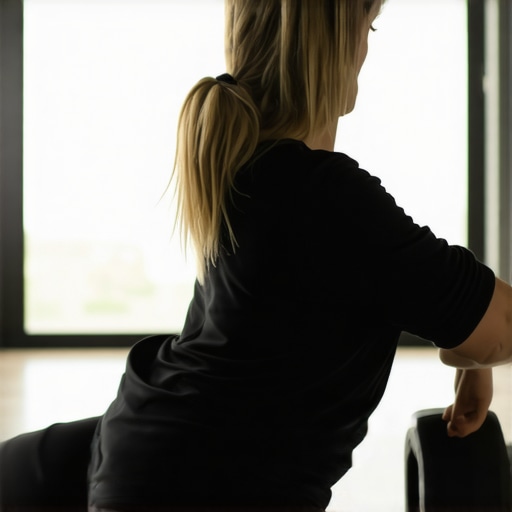
The specific way to roll out of bed to protect your lumbar discs
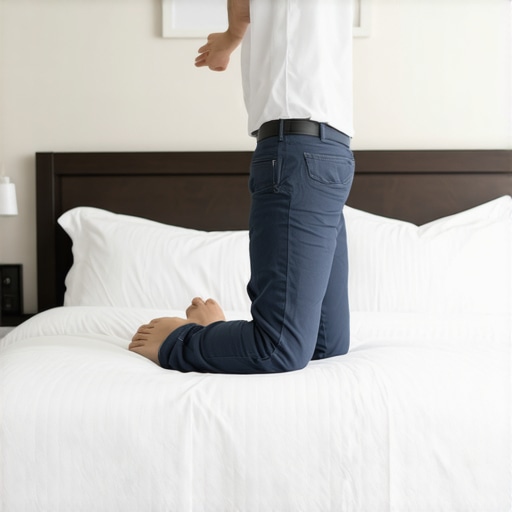
I remember the exact moment I realized my morning routine was sabotaging my back health. It was a sluggish Tuesday, and as I struggled to get out of bed, I felt that familiar, dull ache ripple through my lumbar region. It was as if my discs were protesting the way I was forcing myself upright—step by step, day after day. That lightbulb moment hit me hard: I was doing it wrong, and my body paid the price every morning.
The Simple Movement That Could Save Your Back
Are You Making This Common Bed-Escape Mistake?
Early on, I made a crucial mistake—jumping straight into a sitting position without considering how I roll out of bed. It may sound insignificant, but this habit can put unnecessary strain on your lumbar discs and surrounding muscles. Over time, such improper movements can lead to chronic pain, sciatica, or even herniated discs. The good news? You can change this routine with a few mindful adjustments. As I delved deeper into back health strategies, I discovered that the way you transition from lying to standing matters immensely. In fact, [preventing poor posture](https://bodyrenewtherapy.com/understanding-the-link-between-poor-posture-and-chronic-back-pain) is essential for long-term relief.
So, what’s the secret? It’s about how you position and move your body during those first moments of your day. Instead of yanking yourself upright or twisting awkwardly, a controlled, gentle roll can protect your spine and discs from unnecessary pressure. This simple change has made a world of difference in my pain levels, and I’m confident it can do the same for you.
But I know skepticism is natural. Many of us have tried countless tips, only to fall back into old habits. That’s why I’ll guide you step-by-step through a safe method to wake up your body, prevent injury, and keep your lumbar discs happy. Ready to ditch the morning pain? Let’s get started with the basics that will set the tone for healthier mornings and a stronger back.
How to Roll Out of Bed Without Hurting Your Spine
When I first tried the gentle roll technique, I felt awkward, stumbling into a half-fetal position, but I persisted. It took about two mornings before my body started to adapt, and I noticed less stiffness and discomfort. The key is to initiate movement from your hips, not your lower back, mimicking a controlled wave motion. To do this, lie on your side with knees bent, then slowly use your arms to help you turn onto your stomach, keeping your spine aligned. This controlled movement reduces shear forces on your discs, especially the lumbar region, which are often aggravated by abrupt or twisting motions.
Implementing a Bed-To-Standing Strategy
Step One: Prepare Your Body
Before moving, gently flex your knees to engage your core muscles, providing stability. Avoid jerking your legs off the bed; instead, gradually bring your feet to the mattress edge while maintaining a neutral spine. Think of this as awakening your body’s warning system—your muscles and discs—to prepare for load transfer.
Step Two: Use Your Arms as Leverage
Press your palms against the bed surface to push your upper body upward, rather than yanking yourself with your lower back. This action distributes effort across your arms and shoulders, shielding your lumbar discs from strain. Practical tip: place a pillow or bolster under your head for comfort and to maintain cervical alignment, especially if neck pain is a concern.
Mindful Transition to Standing
Once upright, avoid instantly reaching for your phone or slipping into a hunched posture. Instead, take a moment to stabilize with your feet shoulder-width apart, gently engage your core, and breathe deeply. Think of your spine as a flexible bridge—supported from all sides—requiring deliberate, controlled movements rather than sudden twists or pulls. This approach helps prevent disc herniations and promotes long-term mobility.
In my experience, this process feels messier at first—sometimes I stumble or need multiple attempts—but consistency significantly reduces morning back pain. Over time, my lumbar discs and surrounding muscles grew stronger and more resilient, confirming that mindful, deliberate movements are essential in maintaining back health and preventing sciatica or other issues. Remember, integrating these techniques isn’t just about avoiding pain; it’s about empowering your body to move freely and confidently each morning.
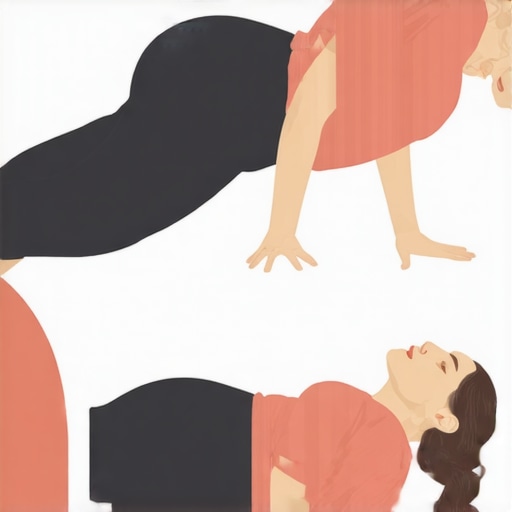 Many people believe that back pain stems solely from skeletal issues or injuries, but in my experience, misconceptions about posture and movement patterns often mask the true causes. For instance, a widespread myth is that static stretching is always beneficial before physical activity; however, recent studies, like those highlighted in this article, show that static stretching before activity can sometimes worsen your back pain, especially if your muscles are already tight. Instead, dynamic movements activate the muscles and prepare your spine more effectively. Keep in mind, thinking that pain equals damage is another trap many fall into; in reality, pain often signals protective muscle spasms or nerve irritation, not a structural catastrophe—see this feature for a deeper understanding. A common misconception among beginners and even some practitioners is that strengthening alone can resolve all back issues. While strengthening core muscles is crucial, ignoring mobility and flexibility can lead to stiff joints and restricted movement, which may perpetuate pain cycles. I recommend integrating both aspects; consider consulting these mobility techniques to keep your spine supple. Advanced skeptics might ask: ‘Are certain movements dangerous for specific back conditions?’ Absolutely, and precision is key. Performing a movement without understanding your unique condition can exacerbate symptoms. This is why working with a knowledgeable professional who can tailor movements to your needs is essential. For example, knowing whether your sciatica originates from nerve root compression or piriformis syndrome drastically changes treatment approaches—more insights are available in this guide. Remember, recognizing these nuances helps prevent harmful habits and accelerates recovery. Have you ever fallen into this trap? Let me know in the comments.
Maintaining an active and pain-free back over the long term requires more than just good habits; it demands the right tools and strategies to support your efforts consistently. One device I rely on daily is a high-quality foam roller. Unlike generic foam rollers, I recommend using a dense, textured foam roller that allows for targeted myofascial release—specifically on areas like the lower back and hips. This tool helps release muscle knots and enhances flexibility, making mobility exercises more effective and preventing stiffness that can escalate into pain.
For tracking progress and ensuring proper movement patterns, I incorporate a smart video analysis app. These apps enable me to record my mobility routines, review my form, and receive instant feedback. This feedback loop ensures I adhere to correct techniques, reducing the risk of injury and optimizing benefit retention—think of it as a mirror for your mobile device, guiding your form in real-time. As mobility expert Todd Hargrove suggests, consistent self-monitoring can significantly improve internal awareness and sustain long-term results.
In addition, ergonomic accessories play a pivotal role. For example, I use a lumbar roll during long sitting sessions at my desk. Proper lumbar support maintains the natural curve of the spine and prevents the habit of slouching, which accelerates poor posture and disc degeneration. For those working remotely, adjustable standing desks with programmable height settings allow switching between sitting and standing throughout the day, promoting circulation and reducing stiffness.
Looking ahead, I predict that digital and biofeedback tools will become increasingly sophisticated, providing personalized routines and real-time alerts to prevent pain before it arises. Wearable sensors could soon monitor spinal load and muscle activity, guiding users to optimal movement patterns instantly.
How do I keep my back working good over time?
The key to long-term success lies in regular maintenance and proactive habits. I schedule weekly mobility sessions using my foam roller and targeted stretching routines from this resource. Incorporating exercises that target stability and flexibility ensures my spine remains resilient, even under daily stress. Remember, small but consistent efforts compound over months and years, making habits like these essential for ongoing back health.
Don’t overlook the importance of proper sleep support. I utilize a certified back-support pillow to keep my neck and lumbar spine aligned during rest, which ties into overall mobility and pain prevention. As per the findings in this research, sustained poor sleep posture accelerates degenerative changes and impairs recovery.
To be honest, integrating these tools into my routine has been a game-changer. I urge you to choose one of these strategies—perhaps start with a targeted foam roller session and monitor your progress with a mobile app—and observe how your back responds over the next few weeks. Small, deliberate steps today build the foundation for a stronger, pain-free back tomorrow.
Remember, staying proactive with the right tools is your best bet for keeping your back healthy long-term. And if you’re curious about fine-tuning your mobility routines, check out this upcoming guide for the latest expert tips on managing back pain effectively.