
The Squat Fix That Stops Your Lower Back From Arching
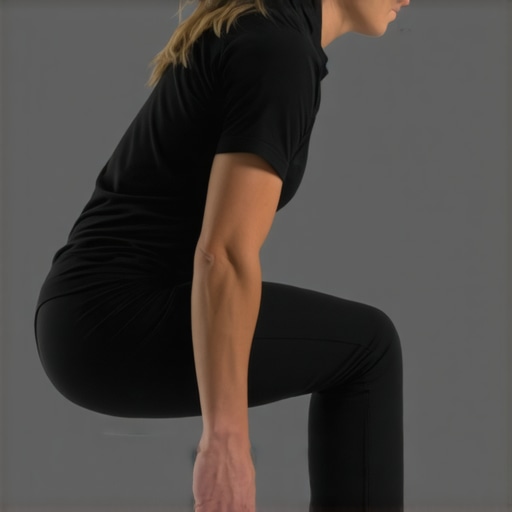
Ever felt that stabbing pain in your lower back right after a squat? Or maybe you noticed your back arches uncontrollably, like a cat stretching too far. I remember the first time I saw my reflection mid-squat and realized my pelvis was tilting forward—oddly enough, I had been ignoring that discomfort for weeks. It was a lightbulb moment that changed everything. If you’ve ever struggled with lower back pain during or after squats, you’re not alone. And here’s the thing: it’s not just about a quick fix; it’s about understanding what’s going wrong beneath the surface.
Why Your Lower Back Arching During Squats Is a Red Flag
The moment your lower back starts to arch excessively during a squat, it’s a sign that your body isn’t moving as it should. This isn’t just about aesthetics or improving your form; it’s about protecting your spine from undue stress. When your pelvis tilts forward, it places unnecessary strain on the lumbar discs and muscles, increasing the risk of injury over time. According to recent research, poor squat mechanics are one of the leading causes of lower back problems among weightlifters and fitness enthusiasts alike.
Early in my journey, I made the mistake of pushing through the pain, thinking it was just a matter of better technique or strength. Turns out, I was neglecting crucial mobility issues in my hips and ankles that contributed to my poor squat posture. That oversight nearly sidelined me with chronic back pain. Letting these issues fester only made the problem worse. Trust me, addressing these mobility limitations early on can save you from a world of discomfort and prevent long-term damage.
So, what’s the real root cause of this arching? Often, it’s a combo of tight hip flexors, limited ankle dorsiflexion, and weak core muscles. The good news is that with targeted adjustments, you can fix your squat and protect your lower back. But before we dive into specific exercises and tweaks, I want to ask: have you faced that frustrating sensation of your back arching uncontrollably during your squats? If so, keep reading—you’re about to learn the secrets to ending that pattern for good.
Does the idea of fixing your squat feel overwhelming or like a pipe dream?
In my early days, I was convinced I needed special equipment or high-tech gadgets. But the truth is, the most effective solutions are often simple and straightforward. I learned this the hard way, making mistakes like neglecting my hip mobility and overloading my lower back with heavy weights without proper core engagement. For honest guidance on how to avoid these pitfalls, I recommend checking out expert mobility tips. This knowledge has helped countless others break free from the cycle of pain and fear during workouts.
Now, let’s explore the simple yet powerful steps that will put an end to your lower back arching problem every time you squat. Get ready to move smarter, protect your spine, and maybe even enjoy your workouts again—because you deserve that.
.
Lay the Groundwork with Mobility Checks
Start by assessing your hip and ankle mobility, as limited range here often leads to overcompensation in your lower back during squats. I vividly recall one session where I couldn’t touch my toes without bending my knees excessively; it was a clear sign I needed targeted mobility work. Use a wall sit test for hips—if your knees can’t stay aligned over your toes, focus on hip openers. For ankles, try the kneeling dorsiflexion stretch—if your heel lifts off the ground, your ankle mobility is limited. Improving these areas is crucial before loading weight. To get detailed exercises, visit mobility expert tips.
Strengthen Your Core to Stabilize Pelvic Alignment
A weak core allows the pelvis to tilt forward during squats, causing excessive arching. Think of your core as a corset—if it’s loose, any load causes instability. I once neglected core work and kept feeling my back strain after squats; since then, I added planks and dead bugs, which dramatically improved my control. Prioritize exercises like the bird dog and dead bug to activate deep core muscles. These build the stability needed to keep your pelvis neutral under load. Remember, a strong core doesn’t mean endless sit-ups; focus on functional, multi-muscle movements.
Adjust Your Technique and Find Your Neutral Pelvis
Proper form is non-negotiable. Stand with feet shoulder-width apart, then gently tilt your pelvis forward and backward—find the middle ground where your lower back maintains a natural curve without excessive arching. When descending into your squat, imagine gently tucking your tailbone and engaging your abs to maintain this neutral position. I had to film myself and compare to a mirror to catch the slight tilt I didn’t feel. Use a mirror or ask a trainer to observe, because even small deviations can cause long-term issues. For detailed ergonomic cues, check ergonomic tips.
Incorporate Mobility and Stability into Your Routine
Dedicate 10-15 minutes daily to mobility and stability exercises. Simple moves like the 90-90 hip switch, which I do every morning, improve my hip rotation and prevent anterior tilting. Combine this with ankle dorsiflexion stretches and core activation drills. Consistency here prevents compensations during heavier lifts. Think of this as tuning up your car before a long drive—without it, you’re risking breakdowns. Regularly revisiting these habits keeps your pelvis aligned during squats and minimizes lower back stress.
Progress Gradually and Listen to Your Body
Avoid rushing into heavy weights before your mobility and stabilization are solid. Start with bodyweight or light loads, paying close attention to your pelvis position. If you notice your back arching or discomfort increasing, regress and reassess your control. I learned this the hard way when I overloaded and felt a sharp twinge—scared me straight into refining my technique and mobility. Progression is key; small, consistent improvements lead to lasting change. If persistent pain occurs, consider professional guidance—don’t ignore signs that your body is telling you something’s off. For personalized support, contact a specialist.

In the realm of pain management and mobility improvement, many believe they understand the core issues, but often, they miss subtle nuances that significantly impact outcomes. The common myth that stretching endlessly or doing generic exercises will resolve complex issues like neck pain, sciatica, or chronic back pain is widespread. However, this oversimplification can lead to frustration or even exacerbate problems. Let’s explore some lesser-known pitfalls and advanced considerations that can elevate your approach beyond basic routines.
Are You Falling for the Mobility Myths That Sabotage Your Progress?
One pervasive misconception is that increased flexibility equals better mobility across the board. While flexibility is crucial, in isolation, it’s insufficient and sometimes counterproductive. For example, excessive stretching of hamstrings can actually worsen sciatic symptoms if the root cause involves nerve compression or muscular imbalances. According to a study published in Physical Therapy by Bateman et al., targeted strengthening combined with specific mobility work yields more sustainable improvements than stretching alone. The key lies in understanding which tissues need mobility versus stability, and that’s where many stumble in their routines.
Another trap is assuming that pain is solely due to tight muscles or joints. Often, the real culprit is a dysfunctional movement pattern or poor neuromuscular control. Addressing only the symptoms without retraining movement mechanics leads to temporary relief at best. This mistake can be particularly costly when dealing with neck or back pain, where the nervous system’s role in pain perception is profound. You can discover more about this interaction in our detailed guide on how posture influences pain.
Beware the Quick Fix Trap When Managing Sciatica or Neck Pain
Many jump straight to pain-relief solutions like heat wraps, massage, or even over-the-counter meds—thinking they’re resolving the root issue. While these methods can provide temporary relief, they often mask underlying dysfunctions. For instance, relying solely on painkillers for sciatica without addressing gait or pelvic alignment misses the bigger picture. Similarly, aggressive stretching of the neck can trigger more pain if it destabilizes already compromised tissues. The smarter move is to incorporate holistic assessments and targeted interventions. For expert strategies, visit neck pain solutions or sciatica management tips.
And as we push into advanced territory, one question often puzzles even seasoned practitioners: How can I differentiate between structural and functional causes of pain, and does my treatment need to target one or both? This nuanced distinction can make or break your recovery. Structural issues involve injuries or degenerative changes, whereas functional problems relate to movement patterns and neuromuscular control. Many effective recovery strategies blend therapies addressing both aspects. For a deep dive into this layered approach, check out back pain breakthroughs.
Finally, understanding these hidden nuances emphasizes the importance of personalized assessments and cautious progression. Avoid jumping into intensive routines or relying solely on external aids. Instead, focus on retraining your body with expert guidance, ensuring that mobility and strength improvements are both functional and sustainable. Remember, every body responds uniquely, and recognizing these subtle variables can significantly shorten your journey to pain-free movement.
Have you ever fallen into this trap? Let me know in the comments. Meanwhile, explore our comprehensive resources for tailored strategies that address the root causes of neck pain, sciatica, and back discomfort, empowering you to move with confidence and lasting relief.
 Maintaining your mobility and avoiding recurring pain requires not only disciplined routines but also the right tools that support long-term progress. From my personal experience, investing in quality equipment can streamline your recovery and make daily self-care more effective. For example, I swear by the use of a high-density foam roller for my back and hips; it helps release myofascial tension after workouts, which is crucial in preventing tightness that leads to pain. Unlike cheaper foam rollers, my preferred one provides the right level of firmness to target deep tissues without risking injury. Additionally, I rely on a set of resistance bands—not just for rehab exercises but to add variety and challenge as my mobility improves. Resistance bands allow for controlled, incremental stretches and strengthening, perfect for maintaining stability and flexibility over time.
Another essential tool I recommend is a digital goniometer app, which helps me track my joint angles and mobility gains. Regularly monitoring improvements keeps me motivated and ensures I stay within safe ranges. Implementing these tools into your routine makes consistency manageable and results sustainable. Looking ahead, the trend is moving towards smart devices that integrate biofeedback and real-time coaching, which will personalize mobility training like never before. It’s exciting to think about how technology will continue to empower individuals in managing their own musculoskeletal health.
How do I maintain long-term mobility and pain-free movement?
To keep this progress, I incorporate daily mobility drills with my foam roller and resistance bands, focusing on areas identified as weak or tight. I also schedule periodic check-ins using a goniometer app to objectively measure my range of motion and adjust my routines accordingly. Remember, consistency over years beats quick fixes. For tailored advice and to explore more advanced strategies, don’t hesitate to reach out through our contact page. Persistence, combined with the right tools, will ensure you stay functional, pain-free, and ready for whatever life throws your way. Why not choose one of these tools today and give your routine an upgrade? It could be the game-changer you need to sustain mobility long-term.
The Hardest Lesson I Learned About Mobility and Neck Pain
One crucial realization was that addressing symptoms without examining the root cause only leads to short-lived relief. I once focused solely on stretching my hamstrings for my back pain, only to find it worsened. It dawned on me that true progress required a comprehensive look at my movement patterns and muscular imbalances, not just isolated flexibility exercises.
Myths That Block Your Path to Lasting Relief
Believing that static stretches alone will fix complex issues like sciatica or neck tension is a common mistake I made early on. Real breakthroughs came when I integrated strength training and neuromuscular control work, understanding that stability supports mobility better than flexibility alone. Recognizing these misconceptions saved my time and frustration.
Why Quick Fixes May Do More Harm Than Good
Relying solely on massages or pain medications masked the real issues and delayed my recovery. Genuine healing involved retraining my movement strategies and addressing postural habits. This approach not only alleviated pain but also prevented future flare-ups, fostering a sustainable path to mobility.
Advancing Beyond the Surface with Personal Insights
Getting to know my body’s unique needs taught me that personalized assessments are invaluable. Specific habits like prolonged sitting or uneven muscle use create patterns that generic routines overlook. Tailoring my mobility and strength routines based on my body’s signals accelerated my journey toward pain-free movement and now informs my advice to others seeking similar results.