
The Truth About Standing Desks and Varicose Vein Risks
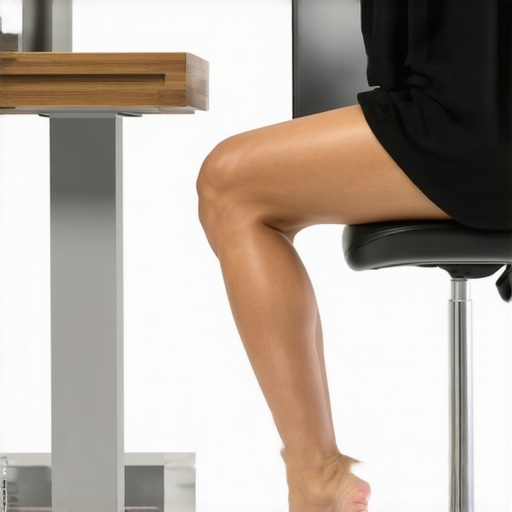
I remember the exact moment I first realized I had a problem. It was after a long day of working at my standing desk, feeling proud of my healthy choice, only to find myself limping slightly the next morning. That dull ache in my legs was new—and unsettling. Little did I know, that seemingly innocent workstation upgrade could be silently contributing to more serious issues like varicose veins and chronic discomfort.
Why Your Standing Desk Might Be Sabotaging Your Health
Standing desks are often promoted as the ultimate fix for back pain and sedentary lifestyles. However, without proper setup and awareness, they can inadvertently increase the risk of varicose veins and other circulation problems. When you stand for prolonged periods, blood tends to pool in your legs, especially if your posture isn’t optimal or if you wear constrictive clothing or footwear. This stagnation can weaken vein walls over time, leading to those bulging, twisted veins many of us fear.
But here’s the real kicker—early on, I made the mistake of ignoring these warning signs. I thought pain and heaviness were just part of aging or maybe because I wasn’t moving enough. Ignoring early symptoms is a common mistake that can lead to worse problems,” supported by a study from the American Venous Forum which states that standing for extended periods without movement increases the risk of developing varicose veins. This made me realize that awareness and preventive habits are *crucial.*
If you’ve noticed your legs feeling more tired than usual or if those visible veins are starting to show, you’re not alone—and there’s a lot we can do to address this. The goal isn’t to ditch your standing desk but to learn how to use it smartly, combine movement, and take care of your circulation. Later in this post, I’ll guide you through simple, practical strategies to keep your legs healthy and your posture supportive.
So, let me ask—have you ever experienced that heavy, achy feeling in your legs after standing for a while? If yes, then continue reading—there’s hope, and it’s closer than you think.
Start Moving During Breaks
Set a timer to remind you to stand up and stretch every 30 minutes. When I first adopted this habit, I found myself feeling more energized and noticing less heaviness in my legs by the end of the day. Move around, flex your ankles, and gently rotate your hips to boost circulation. Incorporate movements like toe raises or leg swings; these help prevent blood pooling. For a quick boost, try walking in place or around your workspace for a minute or two to keep blood flowing efficiently.
Enhance Your Sitting Posture
If you occasionally sit down, ensure your chair supports your lumbar spine. Sit back fully and avoid slouching; this minimizes pressure on your lower back. Utilize ergonomic accessories like lumbar rolls or cushions to maintain natural spinal curves. When I had a stint working from a laptop, I used a small pillow behind my lower back, which significantly reduced discomfort. Remember, supporting your posture is crucial for avoiding unnecessary strain and promoting healthy circulation.
Incorporate Specific Leg Elevation Techniques
Elevate your legs periodically to prevent blood from pooling. During breaks or after work, lie down and prop your legs on a stool or cushion at heart level. This simple action helps venous return and reduces swelling and heaviness. I once spent an afternoon doing some leg elevation while reading, and the difference in the next morning’s comfort was noticeable. Regular elevation is a straightforward way to keep circulation smooth and veins healthier.
Optimize Your Workspace Setup
An improperly arranged workstation can foster poor posture and circulation issues. Adjust your monitor to eye level, use an ergonomic keyboard and mouse, and keep your feet flat on the floor. Consider using a footstool if your feet don’t reach the ground comfortably. Small changes like these have a big impact; I reshuffled my desk and instantly felt less tension in my legs and back. Proper setup minimizes strain and helps distribute your weight evenly.
Prioritize Gentle Mobility Exercises
Integrate quick, targeted exercises into your daily routine to strengthen supporting muscles. Try hip circles, ankle rolls, or knee lifts to stimulate blood flow. For instance, I dedicated five minutes during my lunch break to a series of leg circles, noticing a palpable sense of relief afterward. These exercises not only improve circulation but also enhance joint mobility, making it easier to stand and walk comfortably.
Use Supportive Footwear
Wearing shoes with proper arch support and cushioning can drastically reduce leg fatigue. Avoid constrictive clothing that hampers blood flow, such as tight socks or pantyhose. I once switched to supportive insoles, and the difference was immediately felt in my legs’ comfort levels. Supportive footwear distributes pressure evenly and promotes healthy circulation, especially during long hours of standing or walking.
Monitor and Address Symptoms Early
If you notice early signs like heaviness, swelling, or throbbing, don’t ignore them. Promptly consult resources like [tips on overcoming sciatic pain](https://bodyrenewtherapy.com/overcoming-sciatica-top-lifestyle-changes-for-better-quality-of-life) or [neck pain solutions](https://bodyrenewtherapy.com/neck-pain-and-stress-how-to-break-the-cycle-for-good) to personalize your approach. Ignoring early symptoms can lead to more serious issues, so taking action promptly is key.
Many people believe that all back pain, sciatica, or neck discomfort stems from obvious causes like muscle strain or disc herniation, but recent research suggests a more nuanced picture. For instance, the myth that rest is always the best remedy can be counterproductive; in fact, premature inactivity may weaken supportive muscles and prolong recovery. It’s crucial to understand that underlying contributing factors—like poor movement habits, subtle postural imbalances, or chronic stress—often play a significant role in persistent pain.
A common trap is oversimplifying nerve pains as solely due to disc compression. According to a study published in the Journal of Orthopaedic & Sports Physical Therapy, many symptoms attributed to nerve impingement are actually related to nerve hypersensitivity or inflammation, which can be managed through targeted mobility exercises. This means that therapies focusing exclusively on disc decompression might overlook these important nuances.
Why do so many get the diagnosis of ‘sciatica’ wrong? One reason is misinterpreting pain patterns. Sciatica isn’t always a sharp, shooting pain down the leg; sometimes, it presents as dull ache or localized numbness, which might be mistaken for muscular issues. Recognizing these subtle clues helps tailor effective treatments. For advanced readers, understanding the role of nerve mobility versus nerve compression can reshape your approach—joint mobilization or nerve glide techniques may be more effective than traditional stretching alone. Studies indicate that nerve gliding exercises can significantly reduce symptoms by improving neural mobility (see https://bodyrenewtherapy.com/overcoming-sciatica-top-lifestyle-changes-for-better-quality-of-life).
Many assume that neck pain results solely from poor posture or strain, but in some cases, it reflects deeper issues like cervical instability or subtle joint misalignments. Overlooking these nuances can lead to ineffective treatments and continued discomfort. An often-underestimated aspect is the impact of stress and emotional tension on muscle tightness, especially in the neck and shoulders. Techniques like gentle mobility exercises, combined with stress management, can unlock hidden sources of chronic pain.
Finally, beware the ‘one-size-fits-all’ approach. Common advice such as ‘just stretch or strengthen’ might actually exacerbate certain issues if not personalized. For example, aggressive strengthening of the wrong muscles can worsen joint instability, as discussed in physiotherapy literature. An effective strategy blends mobility, stabilization, and stress reduction tailored to individual needs. For practical tips on regaining mobility, explore https://bodyrenewtherapy.com/back-pain-breakthroughs-navigating-your-path-to-restored-mobility.
Understanding these misconceptions and nuanced differences can drastically improve your recovery journey. Are you guilty of falling for any of these myths? Let me know in the comments and stay curious about what your body is really telling you.Maintaining your spinal health over time requires more than just awareness; it depends heavily on using the right tools and establishing consistent routines. Personally, I prioritize ergonomic equipment that supports proper posture, such as adjustable desks and ergonomic chairs, to prevent strain. For instance, I use a height-adjustable desk that allows me to switch seamlessly between sitting and standing, reducing the risk of prolonged static postures that can exacerbate issues like sciatica or neck pain. Incorporating supportive accessories like lumbar rolls ensures my lower back remains aligned, especially during long workdays.
Another essential tool in my arsenal is mobility software designed for personalized stretches and movement routines. I regularly engage with platforms like [Mobility Mastery](https://bodyrenewtherapy.com/mobility-mastery-daily-tips-to-keep-your-spine-and-joints-healthy), which offers tailored plans that target specific areas such as the hips and shoulders—areas often overlooked yet crucial for overall mobility and pain prevention.
For managing acute flare-ups or stiffness, I rely on foam rollers and massage balls. Applying gentle pressure with a foam roller to my thoracic spine helps alleviate tightness and restore movement. For neck-specific tension, I use a tennis ball against a wall, targeting tight muscles that contribute to headaches and neck discomfort. Consistent self-myofascial release with these tools supports long-term resilience.
Predicting future trends, I believe wearable technology with real-time posture monitoring will become a staple for ongoing health maintenance. Devices that alert you when your posture deviates can serve as proactive reminders, helping you correct habits before pain develops.
**How can you keep your back and neck healthy over time?** I suggest integrating a daily mobility routine like those found in [Boost Your Back Mobility](https://bodyrenewtherapy.com/boost-your-back-mobility-simple-exercises-that-make-a-difference). Start with simple exercises, and consider investing in ergonomic tools tailored to your specific needs. Remember, consistency is key—tools alone won’t solve everything without regular use.
If you want to explore personalized recommendations or need expert guidance, don’t hesitate to reach out through our [contact form](https://bodyrenewtherapy.com/contact-us-2). Remember, the right tools combined with mindful habits can make a significant difference in your journey toward pain-free movement.
What I Wish I Knew When I Started Prioritizing Movement
Early in my journey, I underestimated the power of consistent, mindful movement. I used to think that occasional stretches were enough, but I realized that integrating small, daily mobility habits—like hip circles or ankle rolls—made a profound difference in preventing pain flare-ups. This lesson taught me that prevention is rooted in everyday routines, not just occasional exercises.
The Hidden Impact of Workspace Ergonomics
Adjusting my workspace was a game-changer. Simple tweaks like elevating my monitor, supporting my lumbar spine, and choosing supportive footwear suddenly alleviated persistent neck and back tension I didn’t even realize I had. Ergonomic setup isn’t just about comfort—it’s about actively supporting your body’s natural alignment and avoiding chronic strain. I now view my workspace as my personal health investment.
The Myth of Rest as the Only Remedy
I used to believe that resting was the best approach when experiencing pain. However, I discovered that gentle movement, rather than prolonged inactivity, promotes healing—especially for nerve-related issues like sciatica or neck tightness. Embracing active recovery through targeted exercises and mobility routines accelerated my progress. This shift in mindset emphasized that movement is often medicine in disguise.
How Listening to My Body Saved Me
Paying close attention to early warning signs—such as subtle heaviness or tingling—allowed me to address issues before they worsened. Instead of ignoring discomfort, I learned to incorporate supportive strategies like leg elevation or specific stretches promptly. This personal awareness became my best tool for managing and preventing chronic problems, reinforcing the importance of mindful body listening.
Curated Tools That Changed My Routine
Over time, I found that certain tools significantly enhanced my mobility and pain management. The [Mobility Mastery](https://bodyrenewtherapy.com/mobility-mastery-daily-tips-to-keep-your-spine-and-joints-healthy) platform provided personalized routines that targeted my needs. Supportive footwear and ergonomic accessories transformed my comfort, while self-myofascial release with foam rollers became a daily ritual. These resources are trusted because they empower sustained, self-managed health improvements.
Keep Moving Forward—Your Body Will Thank You
The most inspiring lesson is that small, consistent actions can lead to lasting change. Don’t wait for pain to become severe before acting. Start incorporating regular movement, optimize your workspace, and listen to your body’s signals. Your journey to a healthier, more mobile you is within reach—embrace it with patience and persistence. Are you ready to make these changes today? Share your experiences below and let’s support each other in this ongoing journey.