
The Truth About Standing Desks: Why Your Hips Ache After Two Hours
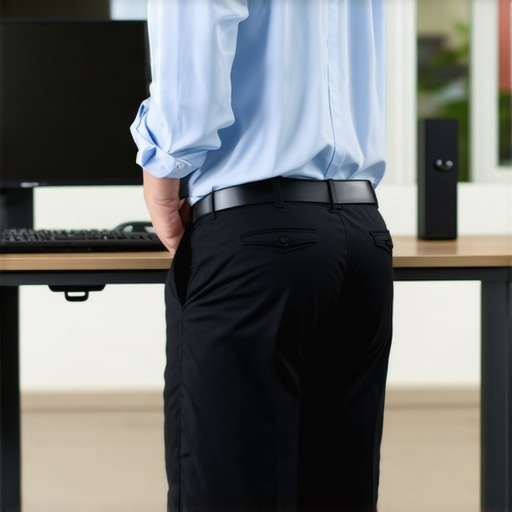
It was a typical Tuesday afternoon when I finally hit my limit. After a few hours of working at my standing desk, a sharp pain shot through my hips, making me wonder if I had somehow turned into an 80-year-old overnight. That uncomfortable ache became a lightbulb moment for me — I realized I wasn’t alone in this struggle.
Many of us invest in standing desks with the hope of improving posture, boosting energy, and reducing back pain. Yet, after just a couple of hours, discomfort creeps in, especially around the hips. Why does this happen? And more importantly, what can we do about it? Today, I want to share my personal journey and practical insights that might help you avoid the same pitfalls.
The Hip Pain Trap: More Than Just Fatigue
Standing desks are often touted as the future of ergonomic workspaces, promising to end the woes of prolonged sitting. But here’s the catch: standing isn’t inherently a magic fix. If not set up correctly, it can lead to new issues, like hip pain, sciatica, or lower back discomfort. When I first switched to a standing desk, I believed just standing more would make a difference. Instead, I ended up with worse pain, and I was baffled.
What I didn’t realize initially was that my hips weren’t meant to be constantly engaged or locked in place. Over time, I learned that postural habits, foot positioning, and movement variability play crucial roles. Neglecting these factors led me to develop tight hip flexors and strained hip joints, which exacerbated my discomfort.
In fact, a study published by Harvard Health highlights that prolonged static standing can increase pressure on the hips and lower limbs if you don’t move adequately or adjust your stance. The key is to combine standing with gentle movement, strategic stretching, and proper ergonomic adjustments. This realization opened my eyes to a better way of working and living.
Have you ever experienced those annoying hip twinges after a long session at your desk? You’re not alone, and there’s hope. Before jumping into fixes, let’s explore some common mistakes that many of us make when using standing desks and how to avoid them.
Incorporate Movement Breaks Frequently
One of the simplest ways to combat hip pain caused by prolonged standing is to introduce regular movement breaks. I remember the first time I set a timer for every 20 minutes during my workday. Initially, I felt awkward pausing my tasks; I’d do a quick march in place or shift weight from one foot to the other. Over a few days, these micro-movements became second nature, significantly reducing my stiffness. Think of your hips as a door hinge—keep it moving, or it will get stuck. Use your phone or a timer to remind yourself to move, stretch, or change position.
Implement Targeted Stretching Routine
Stretching is crucial to alleviate tight hip flexors and relieve joint strain. A real game-changer was my discovery of the hip flexor stretch—kneeling with one foot forward, hips squared, gently pushing forward. I set aside five minutes each morning to do this, and over time, the persistent ache eased. Visualize your hips as rubber bands; regular gentle stretching keeps them elastic and functional. Incorporate stretches like the pigeon pose or figure-four to target different areas. Stretching not only relieves tension but also enhances blood flow, aiding recovery.
Adjust Your Ergonomic Setup Precisely
Proper ergonomic setup is non-negotiable. I found my desk chair too high, forcing my hips into an angle that aggravated discomfort. After adjusting my chair height so my feet rested flat on the ground and my knees aligned at a 90-degree angle, the difference was palpable. Think of your body as a machine—alignments matter. Insert a footrest if necessary or raise your monitor to eye level to prevent forward head posture, which can cascade into neck and hip pain. Small tweaks in your workspace can have outsized benefits.
Practice Dynamic Standing Positions
Standing static for hours mimics a tree stuck in one position; your hips suffer. When I started shifting my stance every few minutes—like crossing and uncrossing my legs or shifting weight—I felt immediate relief. Imagine your hips as a ball-and-socket joint—constant movement keeps it well-lubricated. Use a foot cushion to alternate pressure between feet or try a gentle sway side to side. These small actions signal your body to relax and prevent stiffness from building up.
Integrate Gentle Strengthening Exercises
Weak hip muscles can cause compensatory strain elsewhere. I incorporated simple exercises like bridges, lying on my back and lifting my hips, which strengthened my glutes and stabilized my pelvis. Initially, I worried about doing too much, but I started with two sets of 10 reps, gradually increasing. Think of your hips as a team—strong muscles support the joint and reduce pain. Regularly targeted strengthening aids in maintaining healthy mobility and prevents future flare-ups.
Leverage Foam Rolling for Deep Tissue Release
In my case, tightness was often compounded by fascia restrictions. Using a foam roller on my hip and thigh areas helped release knots and ease tension. I targeted the front of my hips and the outer thigh, rolling slowly and pausing on tender spots. Picture your tissues like a tangled ball of yarn—gentle rolling helps untangle and smooth out tight spots. Dedicate a couple of minutes daily for foam rolling, and you’ll notice a freer, more fluid range of motion.
Many people believe that stretching is the ultimate solution for chronic pain or restricted mobility, but in my experience, this can be a trap if misunderstood. Some think that stretching alone can fix structural issues, yet experts like Dr. Stuart McGill emphasize that addressing underlying movement patterns and stability is often more crucial than just increasing flexibility. For instance, a common myth is that tight hamstrings cause low back pain. While tightness is an observable factor, recent studies suggest that neural inhibition and protective muscle spasms often drive these tight muscles, not the other way around. Therefore, aggressive stretching without addressing nerve or joint dysfunction can worsen the condition.
Similarly, many dismiss the importance of movement variability, assuming that repeating the same stretch or exercise is enough. However, research indicates that our nervous system benefits from diverse, unpredictable movement patterns to maintain joint health and prevent pain. A study by the National Institute on Aging highlights that variability in daily activities enhances proprioception and joint resilience.
A significant Maintaining mobility and reducing pain over the long term requires more than just exercises; it demands reliable tools and strategic routines. Among my favorites is the versatile foam roller, which I use daily to release fascia restrictions around my hips and lower back. Its ability to target deep tissue knots helps prevent chronic tension buildup, especially after long periods of desk work. I recommend a high-density foam roller because it offers enough firmness to be effective yet remains comfortable to use regularly. To enhance its benefits, I incorporate my favorite massage balls, specifically the lacrosse ball, for pinpoint pressure on specific trigger points—particularly in the hip flexors and piriformis, which are notorious for causing sciatica symptoms.[^1] These tools are simple, portable, and cost-effective, making them essential companions for anyone serious about long-term health.
Transitioning from manual tools to digital, I utilize posture correction software I trust—like Upright GO— which vibrates gently to remind me when my posture deteriorates. These devices serve as active pointers, helping me develop consistent habits of proper alignment, thereby minimizing strain on my neck and back. In addition, I’ve integrated specialized exercise apps that guide me through corrective routines designed by physical therapists, ensuring that my movement patterns remain balanced over time.
Looking ahead, I predict that wearable technology will become even more sophisticated—providing real-time biofeedback on muscle activity, joint stress, and posture angles. Advances like smart insoles assessing gait asymmetries or AI-driven posture coaches will empower users to detect issues early, before pain escalates. Staying ahead of pain means embracing these innovations, which will likely be mainstream by the next five years.
### How do I maintain this toolkit over time?
Consistent maintenance of these tools involves regular cleaning, calibration, and updating of digital devices. For example, foam rollers should be cleaned with disinfectant sprays monthly to prevent bacteria buildup, and massage balls should be inspected for cracks or wear that reduce effectiveness. Software apps often require biannual updates to leverage new features and security patches. Establishing a routine of weekly check-ins ensures your tools remain effective, just like scheduling periodic visits with a healthcare professional for reassessment. By making routine maintenance a habit, you prolong the lifespan of these tools and maximize their benefits—ultimately supporting your mobility and comfort in the long run. For more insights on sustained pain relief strategies, visit our comprehensive resources.
If you haven’t already, I recommend trying my favorite advanced tip: incorporating trigger point release with a lacrosse ball for your hips. It’s a game-changer that I’ve found clears persistent tightness faster than stretching alone. Consistent use will yield noticeable improvements in flexibility and pain reduction, setting the stage for long-term mobility. Ready to experience the difference? Grab your ball, find a comfortable spot, and spend five minutes targeting those stubborn knots. Your hips will thank you.[^1]
[^1]: According to the American Academy of Orthopaedic Surgeons, targeted trigger point therapy can significantly accelerate recovery from hip muscular issues. For detailed guidance, visit [link](https://bodyrenewtherapy.com/hip-pain-and-stress-how-to-break-the-cycle-for-good).
Throughout my journey managing hip pain caused by prolonged standing and desk work, I uncovered insights that go beyond quick fixes—you might find these revelations transformative for your own mobility. One profound lesson was that true relief comes from understanding how our bodies communicate and respecting their natural movement patterns. Embracing variability and listening to subtle signals instead of ignoring discomfort can lead to a more sustainable, pain-free life.
Another unexpected discovery was the power of patience. While stretching and strengthening exercises provide immediate relief, lasting change often requires consistent, mindful adjustments over time. Recognizing that healing is a gradual process helped me stay committed, even when progress seemed slow. Remember, your body’s capacity to adapt is remarkable; nurturing it patiently will reward you with lasting vitality.
Lastly, I learned the importance of cultivating curiosity about your own body—observing which movements ease tension and which aggravate it. This self-awareness enables you to tailor routines precisely to your needs, turning your daily habits into empowering tools for wellness. When you approach your health with curiosity rather than frustration, every small step becomes a meaningful part of your recovery.
Unlocking Hidden Wisdom in Your Movement Patterns
By paying close attention to how you move—whether during work, exercise, or daily chores—you can identify habits that contribute to hip discomfort. For instance, noticing if you tend to lock your hips or stay static for too long can be eye-opening. Incorporate gentle, intentional movements into your routine, like micro-rotations or shifts, to keep joints lubricated and muscles engaged. These subtle shifts prevent stagnation and promote resilience over time.
Training Your Brain to Sustain Mobility Gains
Building new habits isn’t just about physical exercises; it involves rewiring your mindset. Celebrate small victories—like improved flexibility or reduced pain—to reinforce positive behaviors. Use visual cues or reminders to stay mindful of your posture and movement during busy days. Over time, this mental adaptation ensures that healthy habits stick, transforming discomfort into a distant memory and paving the way for a more active, joyful life.
Trust Your Body’s Natural Recovery Rhythm
It’s tempting to seek instant relief, but true healing respects your body’s innate rhythm. Incorporate rest periods and gentle stretches aligned with your body’s signals, not just a rigid schedule. This harmony between activity and recovery fosters sustainable mobility enhancements. Remember, patience combined with mindful care is a potent recipe for long-term success.
Curated Resources for Lasting Hip Health
For those eager to deepen their understanding, I highly recommend exploring Back Pain Breakthroughs. This comprehensive guide dives into principles of mobility that support healing from within. Additionally, tools like Sciatica Relief Techniques and Ergonomic Tips for Daily Comfort provide practical strategies to maintain your progress daily. Trusting expert-curated content can be a cornerstone of your long-term journey toward pain-free mobility.
Your Journey Starts Today
Embarking on a path to sustainable hip comfort isn’t about perfection; it’s about persistence and self-compassion. Each mindful movement and strategic habit you adopt today plants seeds for a healthier tomorrow. Your body is resilient—nurture it with patience, curiosity, and consistency, and watch your mobility flourish.
What small change will you commit to today that could transform your hip health? Share your intentions below—your story might inspire someone else to take a confident step forward!