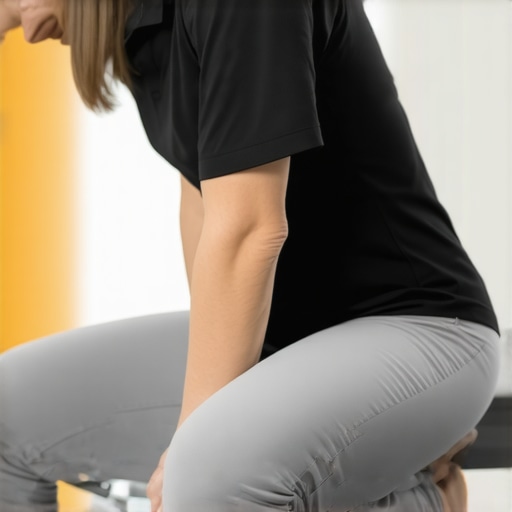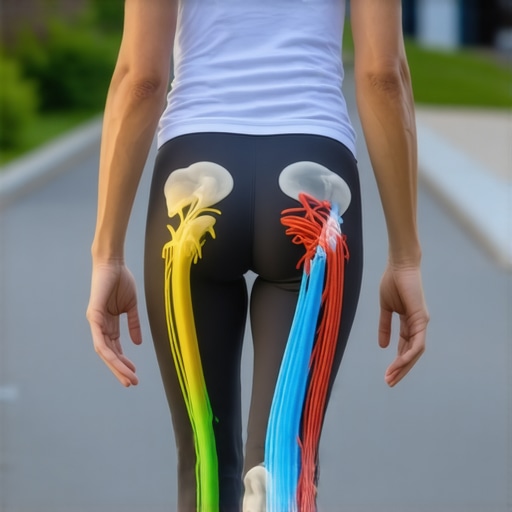
Have you ever experienced that sudden, stabbing pain shooting down your lower back and leg, leaving you unable to move freely? I know I have. There was a time when I felt like my back was betraying me, turning simple tasks into daunting challenges. That lightbulb moment hit me hard: I needed to understand more about my pain and, more importantly, how to fix it.
Why Back Pain and Sciatica Matter Right Now
Back pain, especially sciatica, is one of the most common reasons people miss work or avoid daily activities. According to the National Institute of Neurological Disorders and Stroke, approximately 40% of adults will experience back pain at some point in their lives, and many will deal with persistent discomfort that hampers mobility. This isn’t just about discomfort; it’s about reclaiming your life, your independence, and your ability to move without fear.
Living with chronic back pain can affect your mental health, relationships, and overall quality of life. It’s easy to fall into a cycle of frustration and inactivity, which only worsens the condition. That’s why understanding the root causes and exploring effective relief strategies is crucial.
Have you faced this specific problem? If so, you’re not alone. Many struggle silently, unsure where to start or which treatments truly work. That’s exactly what I want to help you with today.
Early on, I made the mistake of ignoring my pain, hoping it would go away. Instead, it worsened. It wasn’t until I consulted with a specialist and tried a combination of targeted exercises, posture improvements, and relief techniques that I started seeing real progress. Trust me, the right approach can make a difference.
In this guide, I’ll take you through practical, proven strategies to manage and relieve sciatica and back pain effectively. From quick home remedies to long-term lifestyle changes, we’ll cover everything you need to regain your mobility and comfort. Ready to get started? Let’s dive into the causes of back pain and how to tackle them head-on.
Start with Posture Awareness and Ergonomics
Imagine your spine as a stack of building blocks; maintaining proper alignment is like stacking them carefully to prevent collapse. I once caught myself slouching at my desk for hours, which worsened my sciatica. To fix this, I adjusted my chair height and used an ergonomic cushion, aligning my hips and spine. Regularly check your posture throughout the day, especially when sitting for long periods. For guidance, explore ergonomic tips for everyday comfort.
Implement Targeted Stretching and Strengthening Exercises
Stretch Tight Muscles
Think of your muscles as rubber bands; if they’re too tight, they pull on your nerves. I started with gentle hamstring stretches, which eased my sciatic nerve compression. A common effective stretch is the seated piriformis stretch, which I do daily. Consistency is key—stretching 2-3 times daily can significantly reduce nerve pressure. For specific routines, check out simple exercises to boost back mobility.
Strengthen Core and Back Muscles
Imagine your core as the foundation of a house; a strong core stabilizes your spine. I incorporated planks and bird-dogs into my routine, which improved my posture and reduced nerve strain. Start with short holds, gradually increasing duration. Proper form is crucial—consider consulting a guide like core strengthening techniques for safe practice.
Adopt Daily Movement and Mobility Practices
Think of your spine as a hinge that needs regular movement to stay flexible. I found that simple daily walks and gentle yoga helped prevent stiffness. Use a foam roller on tight muscles to release tension—this is like giving your muscles a massage. Incorporate mobility drills such as pelvic tilts and cat-cow stretches, which I performed every morning. These exercises help keep your spine supple and reduce pain triggers. For more mobility tips, visit mobility mastery tips.
Utilize Quick Relief Techniques for Immediate Comfort
If pain strikes suddenly, quick remedies can provide relief. I keep a bag of ice ready to reduce inflammation and apply it for 15-20 minutes, like a cold compress on a swollen ankle. Over-the-counter pain relievers can also help, but they should be used sparingly. For faster, natural relief, consider gentle massage or acupressure. To explore more quick relief strategies, see quick home remedies for sciatic pain.
Maintain Long-Term Lifestyle Changes
Think of your back health as a garden—consistent care yields the best results. I adopted habits like lifting objects correctly—bending at the hips and knees instead of the waist—and maintaining a healthy weight to reduce pressure on my spine. Incorporate regular physical activity and avoid prolonged static positions. For comprehensive lifestyle adjustments, visit lifestyle changes for better quality of life. Small, consistent changes build resilience and prevent future flare-ups.
Let’s dig deeper into the misconceptions surrounding back pain and sciatica. Many people believe that rest is the best cure, but in reality, prolonged inactivity can worsen the condition. Movement, tailored exercises, and proper posture are often overlooked but crucial in treatment. Another common myth is that all back pain requires surgery; however, studies show that conservative approaches like physiotherapy and lifestyle adjustments are effective in most cases, reducing unnecessary surgeries. Contrary to popular belief, not all pain indicates a serious issue. Some tend to worry excessively about minor discomfort, but in many cases, pain results from muscle strain or nerve irritation that can resolve with proper care. For instance, a study published in the Journal of Orthopaedic & Sports Physical Therapy emphasizes that active recovery and targeted exercises outperform bed rest for back pain management.
What advanced readers should consider: Are there hidden warning signs that signify more serious conditions?
Recognizing symptoms such as sudden weakness, loss of bladder control, or numbness warrants immediate medical attention, as these could be signs of nerve compression or other serious issues. Ignoring these signs can lead to permanent damage. Always consult a healthcare professional if your symptoms escalate or persist beyond a few weeks. For comprehensive guidance on distinguishing between benign pain and warning signs, explore this detailed resource. Remember, understanding these nuances helps you avoid unnecessary treatments and focus on effective, evidence-based solutions. Have you ever fallen into this trap? Let me know in the comments.
Once you’ve started your journey toward alleviating back pain and sciatica, maintaining your progress over time is crucial. The right tools and consistent maintenance routines can help you sustain improvements and prevent future flare-ups. In this post, I’ll share the specific equipment and methods I personally rely on to keep my back healthy and pain-free.
Invest in Quality Ergonomic Equipment
One of the most impactful tools I’ve used is an ergonomic chair with adjustable lumbar support. I chose mine because it encourages proper posture during long work sessions, reducing strain on my lower back. Additionally, I recommend a sit-stand desk converter, which allows me to alternate between sitting and standing throughout the day. This simple switch has significantly decreased stiffness and discomfort. For a deeper dive into ergonomic solutions, check out this resource.
Utilize Targeted Muscle Release Tools
Foam rollers have become my go-to for daily muscle maintenance. Regular rolling on my hamstrings, glutes, and lower back helps release tension and improve flexibility. I prefer a dense foam roller with ridges, which mimics a deep tissue massage. I use it for about 10 minutes each morning and evening to keep muscles supple. Additionally, massage balls are effective for pinpointing tight spots—especially in the piriformis area, which often compresses the sciatic nerve. These tools are inexpensive yet powerful for long-term maintenance.
Incorporate Digital Resources for Consistency
Staying consistent is easier when I follow guided routines. I subscribe to apps and online programs that focus on back and core strengthening exercises. These platforms provide structured plans and videos, making it easier to stay accountable. I highly recommend integrating a routine that includes gentle stretches, core stability, and mobility drills. For example, mobility mastery tips have helped me maintain flexibility and prevent stiffness.
How do I maintain back health over time?
Regular check-ins with a physical therapist or chiropractor can catch issues early before they develop into pain. I schedule an annual assessment to ensure my posture and movement patterns are optimal. Additionally, I keep a journal of my symptoms and routines, which helps me identify potential triggers and adjust accordingly. Remember, consistency is key—small daily habits compound into lasting health benefits.
Looking ahead, I believe the trend toward smart, connected tools will revolutionize back health maintenance. Devices like posture sensors and wearable muscle stimulators are becoming more accessible and sophisticated, providing real-time feedback and guided exercises. Embracing these innovations now can set you up for a healthier, pain-free future.
So, I encourage you to try incorporating a foam roller or ergonomic workstation into your daily routine today. These tools have made a tangible difference in my long-term back health and can do the same for you. Ready to take the next step? Visit our contact page for personalized advice and product recommendations.
The Hardest Lesson I Learned About Back Pain and Sciatica
One of the most valuable lessons I discovered is that patience and consistency are key. Early on, I expected quick fixes, but I realized that sustainable relief comes from daily habits and gradual improvements, not overnight miracles.
3 Myths About Back Pain That Held Me Back
Believing that rest alone would heal my back was a mistake. In reality, staying active with proper techniques is what truly promotes recovery. Also, thinking surgery was my only option delayed my pursuit of conservative treatments. Lastly, I used to think that pain was always a sign of serious damage, but often it’s just muscle strain or nerve irritation that responds well to targeted care.
What Experts Won’t Tell You About Managing Sciatica Efficiently
Many professionals emphasize the importance of posture and movement, but what’s often overlooked is the role of emotional health. Stress can exacerbate pain, so managing anxiety and tension is a vital part of a comprehensive approach. Additionally, integrating simple daily routines like stretching and mobility exercises can empower you to take control of your recovery.
Curated Recommendations for Back Pain and Sciatica Relief
My top tools include an ergonomic chair with lumbar support, which encourages proper alignment during work hours. Foam rollers have been invaluable for releasing muscle tension and maintaining flexibility. I also rely on guided online programs that focus on core strengthening and mobility exercises; they keep me accountable. Lastly, books like “Treat Your Own Back” by Robin McKenzie have transformed my understanding of back health and are worth exploring.
The Future of Back Health and Your Journey Forward
Imagine a future where smart devices and personalized routines help you monitor posture and muscle tension in real-time. Embracing innovative tools can accelerate your progress and prevent setbacks. Remember, your journey toward a pain-free back is unique, but the effort you invest today will pay off in lasting comfort and mobility. Take that first step now—your back will thank you for it.