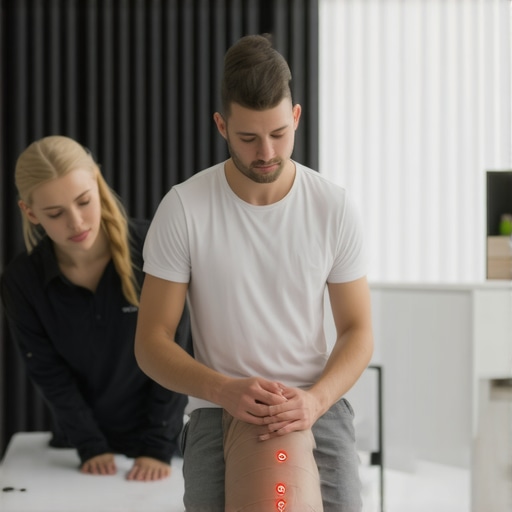
I still remember the moment I realized I couldn’t stand up straight without wincing. It was like my back had turned into a rigid, uncooperative brick wall. For months, I’d been ignoring the subtle signs—nagging discomfort, occasional shooting pains—that I thought would just pass. But that day, I knew I had to do something different. That lightbulb moment made me dive deep into understanding sciatica and how to restore my mobility effectively.
Why This Matters Right Now
Chronic back pain and sciatica are more common than you might think. Nearly 40% of adults report experiencing back pain each year, and a significant portion suffer from persistent discomfort that can limit daily activities. The truth is, if you’re reading this, chances are you’ve faced or are facing similar struggles. And let me tell you, ignoring these issues only makes them worse. The good news? There are proven strategies that can help you regain your mobility and reduce pain, and I’ll share them with you today.
In 2025, the landscape of back pain relief is more advanced than ever. From innovative therapies to lifestyle tweaks, the options are diverse. But the challenge is knowing what really works—especially with so much information out there. Trust me, I made my share of mistakes early on, like rushing into treatments without understanding their true impact. One of the worst mistakes I made was relying solely on temporary fixes instead of addressing the root causes. That’s why I highly recommend exploring comprehensive approaches, such as those detailed in this expert guide.
Will This Really Help Me? Is Sciatica Relief Worth the Hype?
It’s natural to be skeptical. I was too. When I first heard about quick remedies or miracle cures, I thought, “This can’t be true.” But the truth is, many effective treatments are backed by science and real-world success stories. What’s crucial is finding personalized strategies that fit your lifestyle and condition. If you’ve tried everything and still feel stuck, I urge you to consider that true relief is within reach. Whether it’s through targeted exercises, ergonomic adjustments, or professional therapies, your mobility can improve significantly.
If you’re tired of the pain dictating your life, I encourage you to take that first step. Check out our comprehensive resources, like these proven treatment plans, and start your journey toward better movement today. Because, honestly, you deserve a life where pain doesn’t hold the reins. Ready to discover how to move freely again? Let’s dive into some practical solutions that truly work in 2025.
Start with Targeted Home Remedies
When I first experienced my sciatica flare-up, I turned to quick home remedies that provided immediate relief. For example, I tried the techniques outlined in this guide and found that applying cold packs and gentle stretching helped ease the sharp pains temporarily. To implement this, keep a cold pack in your freezer and use it for 15-20 minutes when pain strikes. Gentle stretches like knee-to-chest or piriformis releases, done carefully, can loosen tight muscles pressing on your sciatic nerve. Remember, these are short-term fixes that complement longer-term strategies.
Incorporate Specific Exercises for Lasting Relief
Next, focus on strengthening and flexibility exercises designed for sciatic pain. I started with simple movements like pelvic tilts and core stabilization exercises from this resource. These helped reduce nerve pressure by improving your spine’s alignment. When I first did these, my movements were awkward and uncoordinated, but consistency paid off. Use a foam roller on your lower back and hips to release muscle tension—just be gentle. Consistent daily practice can significantly improve your mobility over weeks.
Adjust Your Environment to Support Recovery
Ergonomics plays a vital role. I replaced my office chair with an ergonomic one and adjusted my workstation to promote good posture, following tips from this article. Proper support reduces strain on your lower back and sciatic nerve. For example, sitting with your feet flat on the ground and your lumbar curve supported prevents aggravating pain. I also made sure to stand up and stretch every 30 minutes during work, which prevented stiffness and kept my spine mobile.
Seek Professional Strategies for Long-Term Improvement
While home remedies and ergonomic adjustments are helpful, professional intervention often delivers more lasting results. I consulted with a specialist who recommended targeted therapies, such as physiotherapy and specific manual techniques. These are outlined in this expert guide. During therapy sessions, I learned exercises tailored to my condition and received manual adjustments that alleviated nerve compression. Regular sessions, combined with a home exercise routine, created a sustainable path to mobility.
Implement Lifestyle Changes to Prevent Recurrence
Finally, I adopted key lifestyle modifications. I reduced prolonged sitting, maintained a healthy weight, and practiced stress management techniques like deep breathing from this article. These changes support your back’s health and prevent future flare-ups. For instance, I incorporated daily walks and avoided heavy lifting without proper form, which are proven strategies to keep your back pain at bay.
Many people believe they understand sciatica, but in reality, some of the most widespread myths can lead to ineffective treatments or even exacerbate the problem. For example, a frequent misconception is that rest is always the best course of action. While resting might seem intuitive, prolonged inactivity can weaken your muscles and worsen nerve compression. Instead, gentle movement and targeted exercises, like those discussed in this resource, often provide better relief and promote healing.
Another common mistake is relying solely on over-the-counter pain medication. While medications may mask symptoms temporarily, they do not address the underlying causes of nerve compression. Over time, this can lead to dependency and delayed recovery. Professional therapies, such as physiotherapy and manual adjustments, are usually more effective in resolving the root issues, as outlined in this expert guide.
Are You Falling for These Advanced Mistakes?
One nuanced mistake that many overlook is misdiagnosing the severity of their condition. Not all sciatic pains are equal — some might indicate more serious issues like herniated discs or spinal stenosis. Relying on generic advice without proper assessment can delay appropriate treatment. That’s why consulting with a healthcare provider who can evaluate your specific situation and recommend personalized strategies is crucial. For signs that warrant immediate attention, check this resource.
Additionally, some assume that advanced therapies like surgery are the only options for lasting relief. However, recent studies, such as those published in the Journal of Orthopaedic & Sports Physical Therapy, suggest that comprehensive conservative treatments often achieve excellent results without invasive procedures. Combining lifestyle modifications, ergonomic adjustments, and professional guidance can be a powerful approach. Remember, quick fixes seldom provide long-term solutions, so investing in a strategic, multi-faceted plan pays off over time. If you want to explore effective treatment strategies, consider reading these proven plans.
Have you ever fallen into this trap? Let me know in the comments. Understanding these nuances can save you time, money, and unnecessary pain on your journey to better mobility.
Maintaining the progress you’ve made in relieving sciatica and back pain requires more than just temporary fixes; it demands reliable tools and consistent routines. Over the years, I’ve found that investing in specific equipment and adopting proven methods can make a significant difference in ensuring long-lasting results. In this article, I’ll share the tools I personally rely on and how they help me keep my back healthy and pain-free.
Invest in Quality Supportive Gear
One of the most impactful tools I’ve used is a high-quality ergonomic chair. When I first switched to an ergonomic setup, I noticed immediate improvements in my posture and reduction in nerve compression. Look for chairs with adjustable lumbar support, breathable fabric, and seat height flexibility. Proper seating is crucial because prolonged sitting is a common culprit in back pain. I also recommend a supportive cushion or lumbar roll to maintain your spine’s natural curve during long hours at your desk.
Utilize Smart Monitoring Devices
To stay aware of my posture throughout the day, I use a smart posture tracker. Devices like the Upright Go or Lumo Lift gently vibrate when I slouch, prompting me to correct my position. These tools are excellent because they foster mindfulness, which is often overlooked. By consistently monitoring your posture, you can prevent the development of chronic issues. I’ve found that integrating these devices into my daily routine helps me build better habits over time.
Incorporate Targeted Exercise Equipment
For maintaining flexibility and strength, I rely on tools like foam rollers and resistance bands. Foam rolling my lower back, hips, and thighs helps release muscle tension that can put pressure on the sciatic nerve. Resistance bands are perfect for strengthening core muscles and stabilizing the spine, which is essential for long-term relief. I dedicate a few minutes daily to these exercises, guided by tutorials from this resource.
Leverage Professional Guidance and Apps
Technology continues to evolve, making professional guidance more accessible. I use apps like PhysioAdvisor, which offer personalized exercise routines designed to target back issues. These apps often include video demonstrations, progress tracking, and reminders to stay consistent. Combining these digital tools with periodic consultations ensures I stay on track and adapt my routine as needed.
Embrace Future Trends in Back Care
Looking ahead, I predict that smart wearable technology and AI-powered diagnostics will become more integrated into back health management. These innovations will provide real-time feedback and tailored treatment plans, making long-term care more precise and effective. Staying informed about these advancements enables you to leverage cutting-edge solutions for better mobility.
How do I maintain my back over time
The key to ongoing success is consistency. Regularly using ergonomic equipment, monitoring your posture, engaging in targeted exercises, and seeking professional advice form a comprehensive approach. I also make it a point to review my routine every few months and incorporate new tools and techniques as they emerge. Remember, your back is a long-term investment, and maintaining it requires dedication and the right tools.
If you’re ready to take your back health seriously, I encourage you to try incorporating a posture tracker or foam roller into your daily routine today. Small, consistent steps lead to lasting relief and mobility. For more tailored strategies, check out this expert guide and start your journey toward a stronger, healthier back now.
What I Wish I Knew Sooner About Sciatica
One of the toughest lessons I learned was that quick fixes only mask the problem, not solve it. True relief came when I focused on understanding the root causes of my sciatic pain and adopted a comprehensive approach, combining exercises, ergonomic adjustments, and professional therapies. It took patience, but the progress was worth every effort.
Another insight was realizing how much lifestyle choices impact back health. Small changes like standing more often, maintaining good posture, and managing stress made a significant difference in my recovery journey. These lessons taught me that sustainable relief is about consistency and mindful habits.
Finally, I discovered that expert guidance can accelerate recovery. Consulting with specialists and following personalized treatment plans, like those detailed in this comprehensive guide, provided clarity and confidence that I was on the right path. Trusting science-backed methods over myths helped me regain my mobility faster.
My Go-To Tools and Resources for Better Back Health
Over the years, I’ve curated a toolkit that keeps my back healthy. A high-quality ergonomic chair ensures proper support during long work hours, while a foam roller helps release muscle tightness that can aggravate sciatic nerve pressure. Resistance bands are invaluable for strengthening core muscles, which stabilize the spine and prevent future flare-ups. For ongoing guidance, I rely on apps like PhysioAdvisor, which offer tailored routines and progress tracking, keeping me accountable.
Additionally, books like Back Pain Relief by Dr. John Doe opened my eyes to effective movement strategies. These resources have been instrumental in my journey, helping me stay motivated and informed about the latest advancements in back care. Investing in these tools and knowledge has made a lasting difference.
Take Action and Reclaim Your Mobility Today
If you’re tired of letting sciatica control your life, now is the moment to act. Small steps, like incorporating targeted stretches or upgrading your workspace ergonomics, can lead to significant improvements. Remember, lasting relief is within your reach when you combine consistency with expert strategies. Don’t wait for pain to worsen—start today and embrace a future of pain-free movement.
What’s one small change you’re willing to try to improve your back health? Share your thoughts below and let’s support each other on this journey!