
Why Deep Tissue Massage Isn’t Fixing Your Sciatica
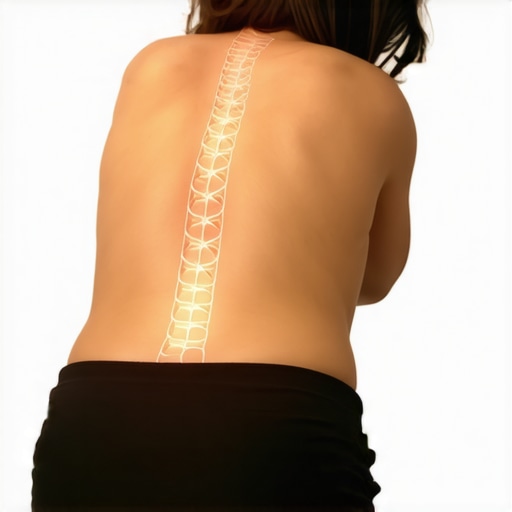
I remember the moment well—lying on the massage table, desperately hoping that the deep tissue work would finally banish my relentless sciatic pain. But instead of relief, I felt frustration creeping in. It was a lightbulb moment: massaging my way through the pain wasn’t tackling the real problem.
Understanding Why Common Treatments Fall Short
If you’ve tried deep tissue massages and still wake up with that familiar numbing or stabbing sensation down your leg, you’re not alone. Many folks assume that kneading out knots and releasing tension in their muscles will erase sciatic discomfort. But here’s the truth: sciatic pain often stems from issues deeper than just muscle tightness. In fact, a study published in Pain Physician revealed that nerve compression and structural misalignments are often the culprits behind persistent sciatic symptoms, rather than superficial muscle knots.1
Early in my journey, I made the mistake of focusing solely on muscle relaxation. I believed that easing muscular tension would solve it all. That misstep delayed my recovery and intensified my frustration. If I had understood the root causes earlier, my approach might have been different—more targeted, more effective.
So, today, I want to share with you why relying just on deep tissue massage might be a temporary fix at best—and how a comprehensive strategy can bridge the gap between temporary relief and lasting recovery. Are you tired of the cycle where pain temporarily subsides only to flare up again? Let’s explore what might actually lead to enduring sciatic relief.
Is a quick massage really worth the hype?
Many skeptics worry that treatments like deep tissue work are just trendy band-aids. Honestly, I was one of them. I thought, “Surely, this will fix the problem once and for all.” But I learned the hard way that ignoring underlying issues only leads to more cycles of pain. Building trust in a multi-faceted approach is essential, and I’ll guide you through proven strategies that address the root causes rather than just alleviating symptoms.
If you’re still battling persistent sciatic pain despite frequent massages, you’re not alone. The good news is that understanding your condition can empower you to make smarter, more effective choices. To dive deeper into lifestyle changes that support nerve health, check out this insightful article.
Pinpoint Your Root Cause with Self-Assessment
Identify what triggers your sciatica by keeping a pain diary. Note activities, positions, and times when pain intensifies. I once discovered that bending my hips forward during certain stretches worsened my symptoms, which led me to modify my approach. This awareness saves you from wasting effort on ineffective movements.
Incorporate Functional Strengthening Exercises
Focus on strengthening muscles that support your spine and pelvis, such as the glutes and core. For example, I started doing bridges and planks, which gradually reduced my nerve compression. Commit to a daily routine—consistency is key to building stability that prevents sciatic flare-ups.
Optimize Your Posture Throughout the Day
Poor posture compresses nerves over time. Sit with your feet flat, keep your back straight, and avoid crossing legs. I placed a lumbar roll in my chair, instantly alleviating pressure. Regularly check your posture, especially when working at a desk, to reduce strain on the lower back and hips.
Adjust Your Movement Patterns
Avoid habitual movements that aggravate your condition, like twisting while lifting. Instead, use your hips to pivot. I learned this when gardening—lifting with my legs prevented further disc irritation. Moving mindfully ensures you don’t inadvertently reinforce harmful mechanics.
Use Targeted Stretching—for Short Durations
Stretching can help loosen tight tissues, but overdoing it may worsen nerve compression. Gentle, controlled stretches for the hamstrings, hip flexors, and piriformis can be beneficial if held for only 20-30 seconds. I incorporated these into my morning routine, which improved my mobility without increasing pain.
Practice Regular Dynamic Movements
Dynamic movements like pelvic tilts or leg swings stimulate blood flow and improve joint mobility. My favorite was performing pelvic tilts on a stability ball, which relieved nerve pressure. Regularly moving keeps tissues flexible and prevents the formation of painful adhesions.
Modify Your Environment for Comfort
Ergonomics play a vital role in managing sciatic discomfort. Adjust your chair height, find lumbar support, and position your screen at eye level. I added a seat cushion, which reduced my hip strain during long workdays. Small changes in your workspace can make a significant difference over time.
Adopt a Holistic Lifestyle Strategy
Nutrition, hydration, and stress management influence nerve health and inflammation. I increased my intake of anti-inflammatory foods and practiced mindfulness, which lowered my overall pain levels. Combining movement with diet and stress reduction creates a supportive environment for healing.
Many believe that neck pain, sciatica, and back issues are solely caused by muscular problems or poor posture. However, as an expert in rehabilitative therapies, I can tell you there’s a complex web of factors often overlooked. One common myth is that persistent pain is always due to structural damage. While injuries can cause pain, chronic discomfort frequently stems from neurological sensitivities or subtle biomechanical imbalances that standard treatments miss. For instance, research indicates that nerve inflammation and central sensitization can amplify pain signals, making issues seem more severe than their physical findings suggest1. Don’t be fooled into thinking that imaging results tell the full story; many people with significant disc herniations experience little to no pain, while others with minor findings suffer intensely.
Why does some pain persist despite conventional treatments?
The answer lies in the nuanced understanding of our nervous system and how it perceives threat. Treatments focused solely on muscle relaxation or posture correction often overlook the role of nerve mobility and the importance of addressing soft tissue restrictions around nerve pathways. For example, tight fascia or scar tissue can entrap nerves, leading to symptoms that won’t resolve until these restrictions are specifically targeted. Neglecting these hidden factors is a common mistake. Instead, integrating advanced manual therapy techniques with mobility drills can unlock stubborn nerve entrapments. If you’re curious about targeted approaches, consider exploring innovative strategies for neck pain recovery.
Keeping your body in optimal condition requires more than just occasional stretches or massages. Investing in the right tools can dramatically enhance your ability to sustain progress and prevent setbacks. One of my favorite devices is the foam roller. I personally prefer a firmed version with a textured surface because it effectively targets fascia restrictions and knots that often contribute to pain and decreased mobility. Regular use—just five minutes a day—can improve blood flow, reduce muscle tightness, and support long-term spinal health. Remember to combine foam rolling with targeted stretching for best results.
Another invaluable piece of equipment is the Tennis Ball. I use it daily to self-massage hard-to-reach trigger points along my hips, lower back, and shoulders. Its compact size lets me apply precise pressure on tight tissues or entrapments that irritate nerves and perpetuate pain cycles. To get started, place the ball against a wall and gently roll over tense areas, holding pressure on tender spots for 20-30 seconds. This simple practice maintains soft tissue flexibility and can prevent recurrent flare-ups.
Effective mobility exercises also depend on choosing the right software or tracking tools. I rely on apps like MyFitnessPal to monitor my daily activity levels and diet, ensuring I support my nerve health through proper nutrition. Consistency is key, and using digital tools helps keep me accountable during busy times. As technology advances, I anticipate more personalized mobility coaching apps that adapt routines based on real-time feedback, making maintenance even easier in the future.
How do I keep my progress sustainable over time?
To ensure long-lasting results, integrate a comprehensive maintenance routine that blends manual therapy tools with smart technology. Set aside dedicated time each day for foam rolling, self-massage, and mobility drills. Supplement this with ergonomic assessments—such as adjusting your workspace to minimize strain—guided by insightful articles like ergonomic tips for everyday comfort. Maintain a balanced diet rich in anti-inflammatory foods, stay well-hydrated, and practice stress-reducing activities like meditation or deep breathing.
Regularly reevaluate your routine and seek professional guidance when necessary. For instance, consulting with a skilled therapist can identify subtle biomechanical issues or nerve entrapments that might not be evident at first glance. Remember, the trend in pain management is moving towards personalized, tech-supported solutions that empower you to take control of your health. Explore this article for advanced approaches to sustained relief.
The Hidden Lessons Behind My Healing Journey
One of the most eye-opening lessons I learned was that patience and consistency trump quick fixes. Relying solely on massages gave temporary relief, but tackling the root causes, like strengthening supportive muscles and optimizing posture, created sustainable improvements. I also realized that respecting my body’s signals and avoiding over-exertion prevented setbacks. Finally, understanding that the nervous system plays a pivotal role in pain perception shifted my approach from symptomatic relief to comprehensive recovery.
Tools That Changed How I Approach Sciatica
My essential toolkit includes a textured foam roller, which breaks up fascia restrictions, and a tennis ball for targeted trigger point release. I’ve also relied on mobility apps like smart tools for daily maintenance. Incorporating educational books such as “The Multifidus Back Pain Solution” by Jim Johnson expanded my understanding of spinal stability. These resources helped me transform my pain management routine into a proactive, empowering experience.
Trust Your Instincts and Embrace Change
Your body provides subtle hints—don’t ignore persistent discomfort or stiffness. Embrace new movement patterns, ergonomic adjustments, and self-care habits that resonate with your unique needs. Remember, progress is a journey, not a quick fix. Committing to a holistic routine fueled my confidence and motivated me to stay active. If you’re ready to take control, explore innovative strategies for lasting relief and start implementing them today.
Your Turn to Light the Path Forward
Discovering what truly works for your sciatic pain can be transformative. What’s one change you’re willing to try this week—whether it’s a new exercise, an ergonomic tweak, or a self-massage technique? Share your plan below, and let’s support each other toward a pain-free future.