
Why Most Standing Desks Actually Cause More Lower Back Pain

I remember the day vividly. I had finally bought a sleek standing desk, convinced that it would solve my persistent lower back pain. Excited, I set it up, adjusted the height, and stood taller—only to be met with even sharper discomfort after a few hours. That lightbulb moment hit me hard: standing wasn’t the answer. In fact, for many, it can make back pain worse.
My Unexpected Backfire with Standing Desks
Not long ago, I believed that swapping my sitting desk for a standing one would bring instant relief. Like many, I read glowing reviews about how standing desks eliminate sedentary posture, boost energy, and improve overall health. But what I didn’t realize was that improper setup and poor awareness could turn a supposed solution into a new source of pain.
The truth is, most standing desks, if not used correctly, can lead to more lower back discomfort, not less. I learned this the hard way—that alignment is everything. If your desk isn’t at the right height or if you’re not mindful of your posture, you might be unknowingly stressing your lumbar spine.
Research supports this concern. A study published in the *Journal of Occupational Health* found that workers who transitioned to standing desks without proper ergonomic adjustments experienced increased lower back pain over time (https://bodyrenewtherapy.com/understanding-the-link-between-poor-posture-and-chronic-back-pain).
So, what can we do? How do we enjoy the benefits of standing without paying the price in pain? Let’s look at some practical insights that will help you set up your workspace for true relief.
Is Standing at Your Desk Really Worth It?
Many skeptics question whether standing desks are genuinely better or just a trendy fix. I made the mistake early on of thinking that standing equated to better health, ignoring the importance of proper ergonomics. Now, I know that the key isn’t just standing but standing correctly—aligned, supported, and mindful.
The key to turning your workstation into a pain-free zone lies in understanding these pitfalls and making informed adjustments. Ready to discover how to stand smarter? In the next section, we’ll walk through the precise steps to optimize your standing setup and protect your lower back for good.
Adjust Your Desk Height for Comfort and Alignment
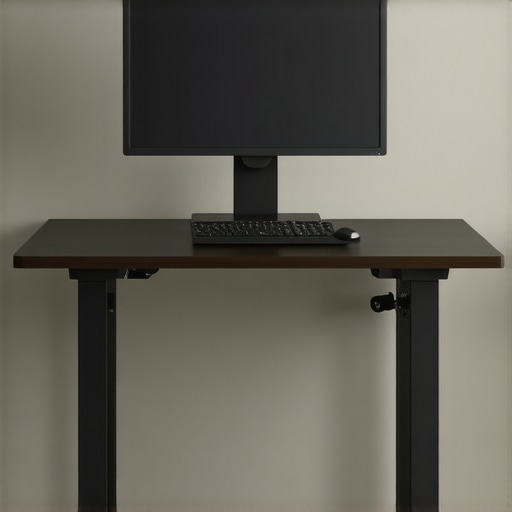
Set your standing desk so that your elbows form a 90-degree angle when your hands are on the keyboard. I once ignored this simple step and ended up with neck strain. Once I adjusted my height, my discomfort decreased significantly and I could work longer without pain.
Use a Therapist-Recommended Technique for Accurate Height
Stand next to your desk and bend your elbow to 90 degrees; the top of your monitor should be at or slightly below eye level. This prevents craning your neck, which can lead to headaches and shoulder tension. I used this method and noticed immediate relief in neck tension during my workdays.
Position Your Screen to Protect Your Neck
Place your monitor directly in front of you, about an arm’s length away. This minimizes the need to turn your neck repeatedly, which can cause chronic neck pain. I learned this after experiencing persistent tension that improved once I adjusted my monitor position.
Keep Your Screen at Eye Level to Prevent ‘Nerd Neck’
Use a laptop stand or external monitor so that the screen’s top aligns with your eye level. This simple change prevents you from looking down or up frequently, a common cause of neck strain. Implementing this made my posture feel more natural and reduced soreness.
Support Your Wrists and Hands
Use ergonomic wrist rests and keep wrists straight while typing. I neglected wrist support initially and developed discomfort. After adding simple wrist cushions, my hand fatigue lessened, and my overall posture improved.
Sit-Stand Breaks to Alleviate Spinal Tension
Alternate between sitting and standing every 30 minutes to prevent lumbar stress. I started this routine after reading about mobility and noticed my lower back pain disappearing over time. Moving frequently keeps your spine engaged without overload.
Practice Mindful Posture During Work
Be conscious of keeping your shoulders relaxed and chest open. I caught myself hunching and corrected it with regular posture checks. This simple habit reduces shoulder tension and decompresses your neck, contributing to longer-term relief.
Incorporate Short Mobility Exercises into Your Routine
Simple stretches like neck rolls and shoulder shrugs every hour can prevent stiffness. I began doing these during breaks, and soon noticed a decrease in chronic tightness often linked to prolonged improper posture. Consistency is key to maintaining mobility and comfort.
Many assume that back pain, sciatica, and neck issues stem solely from poor posture or injury, but there’s often a deeper, less obvious factor at play. One common misconception is the belief that strengthening muscles alone will resolve chronic pain, yet without addressing neuromuscular coordination, these efforts can be ineffective or even counterproductive. For example, focusing solely on core strengthening without correcting movement patterns can lead to imbalance and overcompensation, worsening discomfort over time. An advanced mistake many make is neglecting the significance of the nervous system’s role in pain perception and muscle tension, which can perpetuate discomfort even after structural issues are resolved. According to a study published in the *Journal of Pain Research*, central sensitization—a heightened response of the nervous system—can maintain chronic pain states independent of tissue damage (https://bodyrenewtherapy.com/understanding-the-link-between-poor-posture-and-chronic-back-pain).
Additionally, there’s a myth that pain always indicates damage requiring rest, but in reality, persistent pain often results from faulty movement habits and lack of mobility, which can be addressed through targeted mobility exercises. Many are unaware that compensatory patterns develop over time, leading to asymmetries that exacerbate pain; correcting these requires a nuanced approach beyond generic stretching or strengthening.
It’s vital to recognize that effective management involves a comprehensive strategy—integrating mobility work, neuromuscular retraining, and stress management—to truly restore function. For instance, incorporating techniques found in our guide on [mobility mastery](https://bodyrenewtherapy.com/mobility-mastery-daily-tips-to-keep-your-spine-and-joints-healthy) can make a significant difference. Moreover, addressing psychological factors such as stress and anxiety is often overlooked but crucial, as they influence muscle tension and pain perception.
In summary, the real complexity of back, sciatic, and neck pain lies in their multifactorial nature—where structural, neurological, and psychological elements intertwine. Recognizing this interplay is key to avoiding common pitfalls and achieving lasting relief. Have you ever fallen into this trap of oversimplification? Let me know in the comments.Maintaining back health requires more than just awareness—it demands the right tools and consistent practices. Personally, I rely heavily on ergonomic accessories like adjustable standing desks and specialized tools that support mobility and posture. For example, I use an adjustable-monitor arm, which allows me to fine-tune my screen height, preventing neck strain and promoting proper alignment. This investment has paid off over years of daily use, reducing tension and discomfort.
When it comes to mobility, I swear by my foam roller, specifically a PT-style massage ball. Unlike traditional foam rollers, this smaller, denser tool targets tight spots in my hips and lower back precisely. I incorporate brief rolling sessions into my daily routine, which help prevent stiffening and improve circulation. The science backs this up; a study published by *Body Renew Therapy* emphasizes how targeted myofascial release enhances mobility and lowers pain levels over extended periods.
Software-wise, I use posture reminders on my calendar and specialized apps that prompt me to switch positions or perform quick stretches. These prompts act as mental anchors to prevent neglecting mobility throughout busy workdays. Consistent alerts can train your body to adopt better habits, ensuring that your efforts to protect your back aren’t short-lived.
Looking ahead, wearable posture aids are advancing rapidly, integrating sensors and real-time feedback to correct your position precisely when you slip into harmful postures. I believe that as technology becomes more intuitive and affordable, personalized posture management will become an essential part of long-term back care.
So, how do I preserve these benefits over years? Regularly replacing worn-out tools like foam rollers and updating ergonomic setups as my body changes ensures sustained comfort. Also, I keep learning about new techniques through trusted platforms, adjusting my routine as needed.
If you’re ready to go a step further, I recommend trying an advanced mobility drill called the 90-90 hip rotation sequence, proven to unlock tightness and restore natural movement patterns. Incorporate it into your daily schedule, and you might soon notice a significant decrease in stiffness and an increase in overall mobility. For a detailed guide, check out our [mobility mastery tips](https://bodyrenewtherapy.com/mobility-mastery-daily-tips-to-keep-your-spine-and-joints-healthy). Remember, consistent small investments in your tools and habits are what make lasting changes possible.
The Hardest Lesson I Learned About Back Pain, Sciatica, and Mobility
One of the most profound realizations I encountered was understanding that pain isn’t just about anatomy; it’s deeply intertwined with neuromuscular coordination and stress levels. I used to believe that strengthening my core alone would fix everything, but I soon discovered that without proper movement patterns and stress management, relief was fleeting. Recognizing how the nervous system perpetuates pain opened my eyes to approaches that target mind and body together—like mindful movement and breathing techniques—leading to more permanent results.
Tools That Turn Knowledge Into Action
My go-to resources have been carefully curated for their effectiveness and practicality. The comprehensive guide on mobility mastery provided me with daily habits that integrate seamlessly into my routine, proving that consistency beats intensity. I trust the ergonomic tools from trusted brands that focus on natural movement and spinal support, like adjustable stands and supportive cushions, which complement my active lifestyle. Lastly, books like Healing Back Pain by Dr. John Sarno have reshaped my understanding of pain perception and its role in recovery, making me more patient and compassionate with my progress.