
Why Rolling Your Neck Is Making Your Tension Headaches Worse

It was a moment of frustration that finally made me question everything. I was in the middle of a tension headache so fierce I could barely keep my eyes open, and like many, I instinctively reached for my neck roller, thinking a little self-massage would do the trick. But instead of relief, I felt a strange pounding intensify. That lightbulb moment? Realizing that my habit of self-rolling was actually worsening the pain.
If you’ve ever experienced this, you know how confusing it can be. You’re doing what everyone suggests for neck tension—rolling, stretching, massaging—hoping to find relief. But sometimes, these well-intentioned actions make things worse. Today, I want to share what I learned about why this happens and how to truly address your tension headaches without falling into the trap of perpetuating the problem.
Breaking the Cycle: How Simple Movements Can Impact Your Headaches
The truth is, many of us have been led to believe that rolling or massaging our necks is the best way to relieve tension. However, if not done correctly, or if used as a default response, these habits can actually make headaches worse. The root lies in understanding how our neck and upper back muscles interact and how incorrect techniques can trigger nerve irritations or muscle imbalances. For instance, excessive or aggressive rolling may irritate the nerves or cause joint misalignments, leading to more frequent or intense headaches.
Early in my journey, I made the mistake of dismissing posture and movement patterns, focusing solely on the neck area. I didn’t realize that small, sustained movements and understanding proper mobility could make a significant difference. In fact, research indicates that poor posture and excessive muscle tightness can lead to recurrent tension headaches (source: https://bodyrenewtherapy.com/neck-pain-solutions-proven-techniques-to-regain-your-range-of-motion).
If you’re nodding along wondering whether your current approach is actually hurting you, you’re not alone. Many of us have been caught in a cycle of quick fixes that don’t address the underlying issues. But the good news? There’s a better way.
In the following sections, I’ll break down practical steps that help you relieve tension without worsening your headache symptoms. Whether it’s understanding the right kind of movement or correcting posture, these simple, proven strategies have transformed my experience—and they can do the same for you. Ready to ditch the habits that aggravate your headaches? Let’s start by examining one key mistake I made early on, so you can avoid it too.
Get Comfortable with Gentle Mobility Movements
Start by incorporating slow, controlled neck rotations and tilts. Imagine you’re turning a steering wheel smoothly; avoid jerky motions that can irritate nerves. For example, I once spent 10 minutes gently rolling my head side to side, feeling awkward at first, but over time, I noticed less stiffness and fewer headaches. Consistent, gentle movements promote blood flow and joint health.
Focus on Proper Posture
Think of your spine as a stack of building blocks; proper alignment ensures each piece supports the next. Sit with your ears over your shoulders, avoiding craning your neck forward. I adjusted my workstation to raise my monitor slightly, reducing strain. To internalize this, try the posture correction tips and be mindful during day-to-day activities.
Implement Breath and Relaxation Techniques
Deep, diaphragmatic breathing can release tension stored in muscles. Picture your muscles softening like melting ice as you inhale deeply through your nose, filling your belly, then exhale slowly through your mouth. I used this during moments of stress, which led to immediate relief from head tension. Regularly practicing these techniques enhances your body’s resilience to tension buildup.
Stretch and Strengthen Delicate Areas
Avoid static stretches that can reinforce stiffness. Instead, perform dynamic movements such as shoulder rolls or gentle chest openers. I scripted a quick routine, including pelvic mobility drills and scapular squeezes, completed before work. Building strength in upper back and core muscles stabilizes your neck and diminishes headache frequency.
Use Supportive Props Wisely
Supports like ergonomic cushions or a rolled towel behind your neck can mirror the support of a skilled therapist. When I added a small rolled towel to my chair during long work hours, I maintained better neck alignment. Remember, support shouldn’t become a crutch but a tool to train your muscles toward healthier posture.
Limit Harmful Habits
Avoid habits like constant phone usage with your head stooped. Think of your neck like a fragile garden trellis—overloading it can cause breakage. Instead, hold your device at eye level or use voice commands. These small changes prevent strain accumulation that triggers headaches.
Monitor Your Progress
Keep a journal tracking which movements or postures alleviate or worsen symptoms. For me, noting flare-ups after certain activities helped me identify triggers, leading to better routines. Incorporate regular check-ins with yourself to adapt techniques as needed, ensuring sustained relief without aggravation.
By implementing these concrete steps—gentle mobility, mindful posture, breathing, strategic stretching, and smart habits—you create a balanced approach to neck health. Remember: patience and consistency are key, and small improvements accumulate over time to significantly reduce tension headaches.
Many people believe that pain in the neck, back, or sciatic nerve is mostly a straightforward issue of muscle tightness or nerve compression, but let’s dig deeper. A common misconception is that stretching or manipulative therapies alone can resolve these chronic conditions. While flexibility and alignment are important, relying solely on such approaches often overlooks the complexity of our neuromuscular system. In fact, numerous studies, such as the one published in the Journal of Orthopaedic & Sports Physical Therapy, emphasize the role of neural mobility and tissue health over mere mechanical correction.
Most practitioners and patients overlook the importance of nuanced assessments that differentiate between true structural problems and faulty movement patterns that perpetuate pain cycles. For example, stretching a tight hamstring without addressing overall pelvic stability or core strength can lead to more instability, worsening symptoms over time. This is why integrating mobility drills with strength training and neural gliding exercises offers superior results.
A significant trap many fall into is the assumption that pain is a sign to rest or avoid activity altogether. In reality, prolonged inactivity can lead to muscle deconditioning and joint stiffness, which intensifies discomfort. Conversely, overzealous stretching or aggressive manipulations may irritate nerves or joints, especially if underlying mobility restrictions are ignored.
For advanced readers asking, “How do I differentiate between tissue stress and neural tension?”—a practical approach involves gentle neurodynamic tests like the sliding or tensioning techniques used in physiotherapy practice. These tests can help identify if nerve mobility restrictions contribute to your pain, guiding tailored interventions.
To deepen your understanding, I recommend exploring comprehensive approaches that combine mobility, stability, and neural health, such as the strategies detailed in our guide on [overcoming sciatica](https://bodyrenewtherapy.com/overcoming-sciatica-top-lifestyle-changes-for-better-quality-of-life). Recognizing these nuances can prevent you from falling into the common trap of over-treatment or misdiagnosis.
Want to refine your approach? Check out how [mobility mastery](https://bodyrenewtherapy.com/mobility-mastery-daily-tips-to-keep-your-spine-and-joints-healthy) can help bridge the gap between relief and long-term health. Remember, pain is a complex signal—don’t oversimplify, and always consider the full picture.
Have you ever fallen into this trap? Let me know in the comments, and share your experience or questions about navigating these nuances with your health professional.Maintaining your progress with effective tools and routines is crucial for long-term relief from neck pain, sciatic discomfort, and back stiffness. My approach involves a combination of ergonomic equipment, smart technology, and strategic habits that support mobility and posture over time. For instance, investing in an adjustable standing desk has transformed my daily workflow. It encourages better spinal alignment by allowing me to switch between sitting and standing, reducing the strain caused by prolonged static positions. Pairing this with a monitor stand helps keep my screen at eye level, minimizing forward head posture, a common culprit behind persistent neck tension.
On the mobility front, I highly recommend foam rollers and massage balls, which are surprisingly versatile. I use a dense foam roller to gently release my upper back and hip muscles, especially after long periods of desk work. Applying targeted pressure with a tennis ball or a specific nerve glide tool helps alleviate neural tension that might contribute to sciatica or chronic discomfort. Regular use of these self-massage tools has kept my tissues supple and prevented stagnation.
Moreover, incorporating smart tech like biofeedback devices and motion-tracking sensors can elevate your maintenance routine. Devices such as posture trainers vibrate gently when you slouch, serving as real-time reminders to correct your alignment. Over time, this fosters subconscious habits that promote healthier posture without constant conscious effort.
Predicting where this trend headed, I foresee an increasing integration of AI-powered wearables that monitor movement patterns and suggest personalized exercises. These innovations will make it easier to identify and correct problem areas before pain becomes persistent.
How do I maintain my mobility and prevent setbacks over time? Consistency is key. I schedule daily routines that include gentle mobility exercises, ergonomic adjustments, and the use of supportive equipment. For example, I set reminders to stand up and stretch every 30 minutes, incorporated simple scapular squeezes, and used neural glide exercises regularly. These small but consistent actions create a sustainable foundation, preventing chronic issues from reemerging.
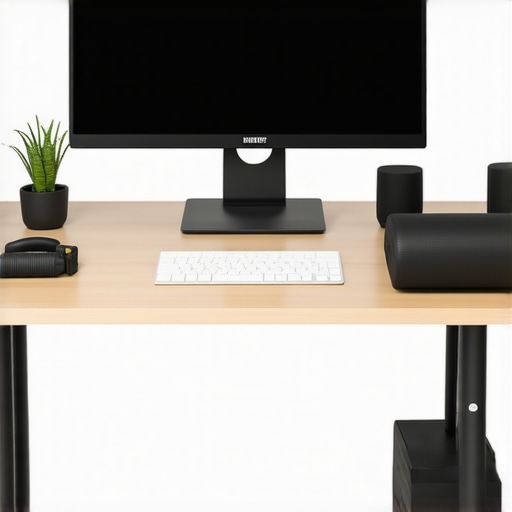
If you’re serious about keeping your neck, back, and hips healthy for years to come, I encourage you to explore the tools that resonate most with your routine and make them a non-negotiable part of your daily habits. For a comprehensive guide on smarter mobility practices, check out Mobility Mastery. The more proactive you are, the better your chances of avoiding setbacks and long-term discomfort.Throughout my journey dealing with neck pain, sciatic issues, and mobility setbacks, I’ve uncovered lessons that often fly under the radar but make all the difference. One of the most profound realizations was that often, our well-intentioned habits—like relentless stretching or aggressive self-massage—can inadvertently reinforce our discomfort. I learned that feeling better isn’t about doing more, but about understanding the subtle signals our bodies send and respecting the delicate balance of movement, posture, and neural health. Another lightbulb moment was recognizing that true mobility and pain relief come from a combination of gentle, strategic movements and proper support, not quick fixes. It’s the small, consistent adjustments—like adjusting your workspace ergonomics or practicing mindful breathing—that build resilience over time. Finally, I discovered that patience and self-compassion are essential; progress is rarely linear, but each mindful step forward compounds into lasting relief.
Comments are closed.