
Why Sitting Cross-Legged Is Wrecking Your Pelvic Alignment
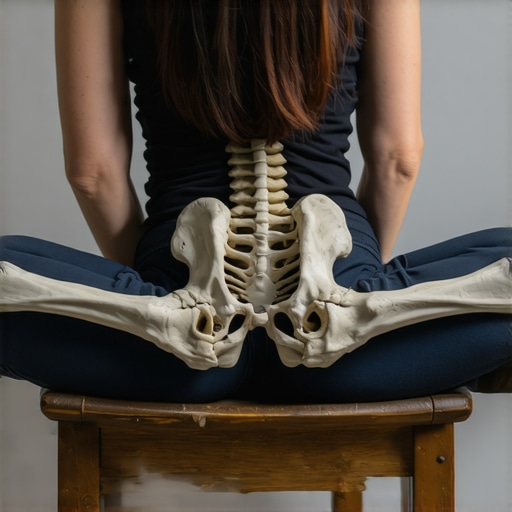
It hit me one afternoon when I caught a glimpse of my reflection and noticed how my pelvis seemed shifted, all because I had spent the entire morning sitting cross-legged at my desk. That familiar dull ache in my lower back wasn’t just a minor inconvenience anymore—it was a warning sign that something was off. I realized then that my casual habit, sitting comfortably with one leg over the other, might be doing more harm than I thought.
Why Your Favorite Sitting Position Could Be Sabotaging Your Pelvic Health
As I dove deeper into the mechanics of pelvic alignment, I learned that sitting cross-legged can subtly tilt and twist your pelvis over time. This persistent asymmetry can lead to a host of issues—lower back pain, sciatica, and even compromised mobility. It’s so easy to get comfortable in that position that I never suspected it could be causing these problems. But the truth is, many of us are unknowingly misaligning our pelvises simply by choosing shortcuts for comfort.
Research even suggests that habitual poor posture can contribute to chronic pain, and habits like crossing your legs are often overlooked culprits (source: Understanding the link between posture and back pain).
If you’re like I was, you probably think, “It’s just a habit, it can’t be that serious,” right? Well, that’s where I was wrong. Small, seemingly harmless habits accumulate, and before you know it, you’re dealing with persistent discomfort. That’s what spurred me to take a closer look, test some solutions, and discover practical ways to restore pelvic harmony.
Before I dive into the strategies that helped me, I want to ask: Have you ever felt that nagging ache after sitting in your usual position for a while? If yes, you’re not alone—and there’s a good chance that your sitting habits are contributing to your discomfort. The good news is, with a few mindful adjustments, you can start to correct this misalignment and reclaim your comfort.
Let’s get into some real, actionable steps that will set you on the path to better pelvic alignment, healthier hips, and a pain-free you.
Implementing Daily Stretch and Strengthen Routines
Begin each day with targeted stretches that loosen tight hip flexors and hamstrings, which are often shortened from habitual crossing and poor posture. I recall the morning I committed to five minutes of hip-opening stretches, lying on my back and pulling each knee toward my chest. This simple act gradually reduced my pelvis tilt, alleviating lower back tension. Incorporate exercises like the pelvic tilt, bridges, and gentle leg lifts to build muscular support around your pelvis. These strengthen weak areas and counteract habitual misalignments, making a noticeable difference over days.
How To Do a Pelvic Tilt Correctly
Lie on your back with knees bent, feet flat on the ground. Engage your core and flatten your lower back against the floor, tilting your pelvis upward. Hold for a few seconds, then relax. Doing this slowly and consistently trains your muscles to maintain proper pelvic alignment.
Mindful Posture Adjustments Throughout the Day
Set a timer to remind yourself every 30 minutes to check your sitting position. Sit with your feet flat on the floor, knees at a right angle, and hips pushed forward. Imagine your pelvis as a bowl of water that you gently tilt to keep it level. Each time I used this cue, I caught myself crossing my legs again. By consciously maintaining a neutral pelvis, I prevented misalignments from becoming habitual. Consider using ergonomic tools like lumbar supports or adjustable chairs to support this posture.
Switching Sitting Positions Effectively
Alternate between sitting with both feet flat and sitting on a stool with feet supported. Avoid crossing your legs for extended periods. When standing up from sitting, engage your core and hinge at your hips to avoid twisting your pelvis.
Motor Control and Balance Exercises
Incorporate balancing exercises such as single-leg stands or gentle yoga poses like the Tree or Warrior, which challenge your pelvis and core stability. As I integrated these into my weekly routine, my awareness of pelvic position increased, and I could correct subtle misalignments before they became uncomfortable. These moves activate the stabilizing muscles that keep your pelvis level during movement.
Practical Tip for Better Stability
Perform a 10-minute sequence daily focusing on core activation and balance. Sit on an exercise ball to improve proprioception and build dynamic control over pelvic movements, which aids in preventing habitual tilts caused by sitting habits.
Addressing Underlying Muscle Tension
Use foam rolling or self-massage on tight muscles like the quadriceps, hip flexors, and lower back. Loosening these reduces pull on the pelvis, making it easier to maintain proper alignment. I found that dedicating a few minutes post-workout to roll these areas dramatically improved my pelvic stability and decreased pain.
Self-Massage Technique
Lie face down and place a firm foam roller beneath your thighs, rolling gently from the hip to the knee. Focus on tender spots and breathe deeply to release tension. Over time, this helped me maintain a more balanced pelvis and prevented chronic misalignment.
Monitoring Progress and Making Adjustments
Keep a journal of your discomfort levels and posture habits. Record what exercises or adjustments yield improvements, and remain consistent. Remember, small daily corrections accumulate into significant benefits, just like my experience of gradually alleviating persistent discomfort through these practical steps. If persistent pain or fatigue develops, consult a professional to ensure your approach is appropriate for your specific condition and explore options like specialized therapy for lasting relief, as detailed in expert strategies for sciatic relief.
Many assume that neck pain, sciatica, or back issues stem solely from obvious causes like poor posture or injury. However, a common misconception is that these pains are purely structural problems requiring drastic interventions. In reality, the nuanced truth is that muscle imbalances and subtle movement patterns often play a far bigger role than most realize. For example, chronic neck tension isn’t just about stiff muscles—it often involves dysfunctional motor control and proprioception deficits that keep your muscles perpetually in protective, tight positions (learn more here).
One pervasive myth is that stretching alone can fix these issues. While flexibility matters, over-stretching without addressing underlying control can worsen the situation by loosening tissues that need strengthening instead. This is why targeted strengthening of stabilizers, like deep cervical and spinal muscles, is crucial for sustainable relief and mobility (discover effective exercises).
Here’s an oops often encountered: people try to fix neck tension with vigorous massage or heat therapy alone, thinking it will resolve the root cause. But without retraining motor patterns—like re-establishing proper head and neck alignment through precision exercises—these temporary fixes rarely last. A professional assessment often uncovers these hidden control deficits, which are key to long-term success.
Why Do Muscle Imbalances Persist Even After Stretching?
This more advanced question delves into neuromuscular control. While stretching can temporarily relieve tension, unresolved imbalances in muscle activation patterns prevent true recovery. For instance, habitual forward head posture causes deep neck flexors to weaken and superficial muscles to tighten, creating a cycle that’s hard to break without targeted re-education (see how to retrain your neck muscles). Recognizing these nuances can significantly change your approach and outcomes.
In sum, addressing neck pain, sciatica, or mobility issues demands more than just symptomatic relief—it’s about rewiring your body’s control systems. Would you like to explore strategies to enhance your motor control and prevent these pains from returning? Check out these expert techniques. Have you ever fallen into this trap? Let me know in the comments.Maintaining your spinal health requires more than just exercises; it involves investing in the right tools and establishing sustainable routines. One of my favorite essentials is the ergonomic adjustable chair, which I personally use daily. Unlike standard office chairs, it allows me to fine-tune lumbar support and seat height, ensuring my pelvis remains neutral and reducing the risk of misalignment over time. To complement this, I incorporate a high-quality foam roller, like the TriggerPoint GRID, which I regularly use for self-myofascial release. It effectively relieves muscle tension in my hip flexors and lower back, preventing chronic tightness that can lead to pain. For digital health, I rely on posture correction apps such as Upright GO—I wear the device during work to receive real-time feedback on my neck and back posture, encouraging me to maintain awareness and correct slouching habits before they become problematic.
The Hardest Lesson I Learned About Back and Neck Health
One of the most eye-opening insights I discovered was how easily we overlook small habits like crossing our legs or slouching at the desk, which subtly misalign our pelvis and neck over time. Realizing that seemingly harmless routines can contribute to chronic pain taught me to be more mindful and attentive to my body’s signals.
Why I Stopped Relying Solely on Stretching
I used to believe that stretching was the primary solution for my persistent back and neck issues. However, I found that without strengthening and motor control exercises, flexibility alone wasn’t enough. Learning to engage my deep stabilizer muscles changed the game, leading to more lasting relief and stability.
The Power of Small Daily Adjustments
Implementing tiny changes—like checking my posture every 30 minutes or using ergonomic tools—created a compounding effect on my wellbeing. These repeated, conscious efforts prevented the habitual misalignments that once caused me discomfort, proving that consistency with simple routines is truly transformative.
Your Unexpected Ally: Proprioception and Balance
Diving into balance exercises and proprioceptive training revealed how enhancing body awareness can prevent injuries and alleviate longstanding pain. Engaging in yoga poses and stability drills activated my stabilizer muscles, resulting in improved control and less strain on my back and neck.
The Unseen Role of Muscle Tension and Fascia
Self-massage and foam rolling became my go-to tools for releasing tight fascia and muscle restrictions, which often pull the pelvis and neck out of alignment. Addressing these superficial tensions complemented my strengthening routines, offering a holistic approach that addressed both symptoms and root causes.
My Toolkit for Lasting Change
Over time, I curated a set of trusted resources that supported my journey—such as ergonomic chairs I rely on daily, foam rollers like the TriggerPoint GRID, and posture correction apps like Upright GO. These tools serve as daily reminders and support systems, making consistency achievable even during busy days.
The Emotional Shift That Keeps Me Moving Forward
Embracing patience and celebrating small victories transformed my mindset from frustration to empowerment. Recognizing that pain management is a journey, not a quick fix, keeps me motivated to stay committed to my routines and ongoing learning.
Ready to Embrace Your Healing Journey?
If you’re tired of temporary fixes, consider exploring comprehensive strategies that go beyond mere stretching or massage. Remember, lasting relief comes from understanding your body’s unique needs and investing in consistent, mindful practices. Curious about specific exercises or tools? Check out these expert techniques for sciatic relief that helped me reclaim my mobility.
What unexpected habit or insight has made the biggest difference in your back or neck health? Share your experience below—I love hearing how different approaches work for others!