
Why Some Back Exercises Actually Make Your Disc Bulge Worse
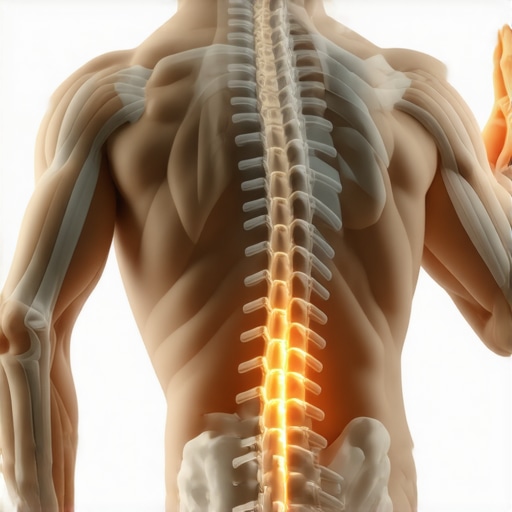
I vividly remember the moment I realized I was doing more harm than good with my back exercises. One evening, after weeks of diligently following a routine I found online, I felt an agonizing pinch that shot down my leg. That familiar burning sensation, the one I thought I was supposed to cure, suddenly worsened. It was a lightbulb moment—realizing that not all exercises are created equal, especially when it comes to disc bulges.
Why Your Well-Meaning Workout Might Be Making Things Worse
Here’s the truth many overlook: some exercises intended for back pain relief can actually aggravate a herniated disc. I learned this the hard way, after spending countless hours researching and trying to rebuild my strength. The mistake I made early on was assuming that pain always meant
Start with Gentle Movement to Reset Your Spine
When I first experienced helpful progress, it was after incorporating gentle movements like pelvic tilts and Cat-Cow stretches into my daily routine. These act like a reset button for your spine, easing stiffness and reducing nerve compression. Incorporate small, controlled motions in the morning to loosen up tense muscles, much like warming up a car engine before a drive. For instance, lie on your back, knees bent, and gently tilt your pelvis to flatten your lower back against the floor. Repeat this for 10 repetitions, noticing how it alleviates discomfort. Consistency is key to retraining your muscles to support your spine properly.
Focus on Controlled Breathing for Nerve Relief
A simple but powerful technique involves deep, diaphragmatic breathing to calm inflamed nerves. Sit or lie down comfortably, place your hands on your belly, and inhale slowly through your nose, expanding your diaphragm. Exhale fully through pursed lips, engaging your core. This method not only reduces stress hormones that exacerbate muscle tension but also enhances blood flow to the affected areas. During one session, I practiced this for five minutes, which noticeably lessened the shooting pain down my leg. Incorporate this practice into your daily routine to keep nerve irritation at bay.
Strengthen Core Muscles for Long-Term Stability
Think of your core muscles as the foundation of a building; a weak foundation leads to instability and pain. Exercises like the Dead Bug and Bird Dog are excellent for building resilient core muscles without stressing your spine. I recommend starting with the Dead Bug, lying flat on your back, lifting opposite arm and leg, keeping your back pressed to the floor. Perform 10 repetitions on each side, focusing on slow, controlled movements. This not only supports your lumbar spine but also helps prevent future episodes of disc herniation. Remember, avoiding high-impact or heavy lifting during recovery avoids setbacks.
Adjust Your Daily Posture Habits
Many back issues stem from poor posture maintained throughout the day. It’s like bending a paperclip repeatedly—it weakens over time. For instance, I noticed my neck and upper back stiffening after long hours on my phone. By adjusting my device to eye level and taking frequent breaks, I decreased strain on my cervical region. Promote brace-like stability by ensuring your workstation ergonomically supports your natural spine curves, such as aligning your monitor with your eye level and avoiding slouching. These adjustments are simple but can dramatically reduce nerve compression and muscular fatigue.
Utilize Myofascial Release to Dissolve Tension
Persistent muscle tightness acts like a sticky knot along your fascia, exacerbating nerve pressure. Using a foam roller or tennis ball to gently release these knots can restore mobility. For my lower back and hips, I rolled gently over the tight areas for a few minutes daily. Think of it like finger-combing tangled hair—careful pressure helps smooth out restrictions. Be cautious with pressure and avoid rolling directly on the spine. This approach minimizes inflammation and enhances circulation, accelerating healing. Regular self-massage complements strengthening and stretching routines, creating a holistic approach to pain relief.
Incorporate Restorative Sleep Practices
Sleep is the body’s repair time—a time when tissues recover and inflammation subsides. My experience improved dramatically when I switched to a supportive pillow that maintained my spine’s natural curve. Ensure your mattress isn’t overly soft or firm, preventing twisting or excessive pressure during sleep. Sleeping on your side with a pillow between your knees can help stabilize your pelvis and reduce sciatic nerve irritation. Moreover, avoid sleeping on your stomach, which strains your neck and lower back. These adjustments foster tissue regeneration and diminish chronic pain over time.
By applying these concrete steps—gentle movement, controlled breathing, core strengthening, posture corrections, myofascial release, and proper sleep—you can actively take charge of your recovery. Remember, every small action contributes to long-term relief, much like tending a garden yields a healthy, flourishing space over time. For more detailed guidance, explore techniques in boost your back mobility with simple exercises or learn about effective nerve gliding drills in nerve glide exercises to further refine your routine.
While many believe that gentle stretching or over-the-counter remedies are the ultimate solutions for back pain, the reality is far more complex. A common misconception is that pain always indicates damage that needs immediate relief, but often, pain signals a deeper issue related to neuromuscular control and your body’s adaptive responses. For instance, a study published in the Journal of Orthopaedic & Sports Physical Therapy highlights that persistent pain can sometimes be linked to maladaptive movement patterns rather than actual tissue damage.
Many practitioners and patients fall into the trap of focusing solely on local symptoms—like squeezing a swollen pipe rather than fixing the underlying plumbing. This misstep can reinforce faulty movement habits, making pain a chronic problem. For example, someone might mobilize their lumbar spine vigorously, trying to increase flexibility, but neglect stabilizing muscles and posture habits—leading to recurring issues. Remember, addressing only the symptomatic area without considering global movement patterns and neuromuscular control often leads to temporary relief at best, or worse, long-term deterioration.
Why Is My Sciatica Still Flaring Up Despite Exercises?
This is a common dilemma, and it highlights an advanced nuance: sciatica isn’t just about nerve compression at one point; it involves complex interactions between posture, muscle imbalances, and fascial restrictions. Many find that targeted nerve gliding drills help initially, but unless you also correct underlying biomechanical faults—like pelvis tilt or hip mobility restrictions—the pain will persist. For instance, stiff hip flexors or weak glutes can perpetuate nerve tension, causing recurrent episodes. A comprehensive approach that considers these factors, combined with lifestyle modifications, offers lasting relief. Exploring my strategies for sciatic relief can provide insights into this holistic process.
To dig even deeper, understanding the connection between posture and chronic back issues reveals that structured movement and ergonomic habits are equally important as specific exercises. Flaws like anterior pelvic tilt or forward head posture subtly alter loading patterns, leading to compensations that eventually cause pain. These nuances often trip up even seasoned clinicians who focus only on symptomatic treatment, underscoring the importance of a full-body, movement-based analysis. If you want to hone your understanding further, my detailed guides on daily mobility tips can show you how.
Have you ever fallen into this trap? Let me know in the comments. Remember, recognizing these hidden dynamics can be the turning point in your journey toward pain-free mobility and lasting health.
Keeping Your Body in Top Shape: Essential Tools for Long-Term Back and Neck Care
Once you’ve established effective routines for pain relief and mobility, the next step is ensuring these practices are sustainable. Having the right tools can make a significant difference in maintaining your progress over time. From simple equipment to advanced software, I personally rely on a curated selection that has proven effective in my journey—and can help you stay ahead of setbacks. Let’s explore the most reliable tools I recommend for lasting spinal health.
Quality Foam Rollers and Myofascial Tools
In my own experience, a high-density foam roller has become indispensable. I prefer the 15-inch textured foam roller because it offers superior control when performing self-myofascial release. This technique helps dissolve muscle tightness that often perpetuates nerve tension, especially along the hips, lower back, and thighs. Regular use prevents adhesions and enhances circulation, promoting long-term relief. Additionally, trigger point balls are great for pinpointing stubborn knots—my favorite is a firm, yet slightly textured tennis ball, which I use daily to target areas that seem to tighten up unexpectedly.
Smart Movement and Posture Apps
Software tools can be surprisingly effective in maintaining awareness of your posture, especially during long hours at a desk. I personally use the Posture Reminder App that vibrates gently to nudge me when I slouch or lean forward. Setting periodic alerts ensures I stay aligned, preventing the slow build-up of strain. These apps often track your sitting time, remind you to do quick stretches, and promote healthier habits, making them invaluable for long-term management.
Ergonomic Workspace Equipment
Investing in ergonomic tools is a game-changer. I upgraded to an adjustable sit-stand desk, which allows me to alternate between sitting and standing, reducing pressure on my lumbar discs. An ergonomic chair that supports the natural curves of your spine—like the ErgoMesh office chair—ensures proper alignment. I also incorporate a keyboard tray at elbow height and monitor stands that keep screens at eye level. These adjustments prevent cumulative strain and promote better neck and back health over time. Pairing this setup with a supportive pillow for breaks during the day maintains comfort and prevents flare-ups.
Flexible Support Devices for Rest and Recovery
Sleep can make or break your progress, which is why I recommend having a specialized pillow that maintains cervical and lumbar curves. My favorite is the Memory Foam Contour Pillow. It keeps my neck in a neutral position through the night, reducing morning stiffness. On tough days, I turn to portable lumbar supports and adjustable back braces for added support during activities that might challenge your healing process. Remember, these devices are not fixes on their own but invaluable adjuncts combined with movement and posture discipline.
Preparing for the Future: Predicting Maintenance Trends
As technology advances, I believe we’ll see more personalized health monitoring devices integrated with AI that analyze movement patterns in real-time, alerting you to risky habits before pain manifests. Wearables like smart belts and posture sensors are already emerging, hinting at a future where continuous biomechanical feedback becomes standard. Staying updated and integrating these innovations into your routine could revolutionize how we maintain mobility long-term.
How do I keep my back and neck healthy over time?
Consistency is key. Set a daily schedule that combines movement, posture checks, and rest. Use tools like my foam roller and apps to stay aware of your habits, and upgrade your workspace ergonomics to support your spine. Regularly revisit your routine, and don’t hesitate to seek professional advice if you notice persistent issues. Implementing these tools and habits now will set a strong foundation for lifelong mobility and pain-free movement. For an advanced tip, try incorporating the hip reset exercise into your morning routine—many find it effective to prevent flare-ups before they start.
Remember, maintaining your spinal health is a marathon, not a sprint. Equip yourself with the right tools, stay committed, and your body will thank you in the years to come.
What I Didn’t Realize About Movement and Healing
The biggest lesson I learned was to look beyond just stretching and strengthening; understanding how my body adapts and compensates was crucial. Ignoring the role of posture and neuromuscular control kept me stuck in cycles of pain, and it took experimenting with targeted mobility and correction techniques to finally make progress.
The Power of Personal Observation and Adaptation
Tracking my daily habits—like how I sat, lifted, and even slept—revealed patterns I never recognized. Small changes, such as adjusting my workstation or incorporating brief movement breaks, transformed my recovery and prevented setbacks. This taught me that tuning into your body’s signals is an underestimated tool for long-term relief.
Why One-Size-Fits-All Advice Misses the Mark
I discovered that exercises and routines recommended online often overlook individual differences in anatomy, movement patterns, and lifestyle. Personalized adjustments, guided by mindful observation and professional input, are the real keys to sustainable improvement in back health.
My Favorite Resources for Deepening Understanding
Over time, I found that specific books and tools shed light on the complex nature of back pain. For example, expert strategies for sciatica relief provided practical steps that I could tailor to my needs. Additionally, ergonomic guides helped me set up a workspace that supports my spine daily.
Embracing a Mindset of Continuous Care
Real healing involves ongoing awareness and adjustments. Cultivating patience, curiosity, and a proactive attitude turned my back pain journey into an empowering process. Remember, your body is resilient and capable of adapting—your role is to support its natural healing rhythm.
What Unexpected Step Made a Difference for You?
Share your experiences or obstacles you’ve faced in managing back pain. Did a small change or new insight shift your recovery path? Let’s learn from each other’s journeys—comment below to keep the conversation going.