
Why some ergonomic mice cause more shoulder pain than standard ones

I remember the moment vividly. I was sitting at my desk, feeling that familiar tightness creeping up my neck, and suddenly realized that my new ergonomic mouse—a device touted to ease my discomfort—was actually making things worse. Instead of relief, I was met with a throbbing shoulder that refused to let up. It was a lightbulb moment—those high-tech ergonomic mice, designed to be ‘better,’ could sometimes be a culprit behind increased shoulder pain. Frustrating, isn’t it? How something meant to help can turn into a source of discomfort.
Spotting the Hidden Causes of Shoulder Strain from Your Mouse
This dilemma prompted me to dig deeper. Why would ergonomic mice, crafted to reduce strain, sometimes cause more pain? The answer lies in several overlooked factors. Many of these devices don’t account for individual differences in posture, arm length, or natural shoulder position. Worse still, they can reinforce poor habits or create awkward wrist angles, leading to muscle tension that radiates up into the shoulder. Early on, I made the mistake of focusing only on the mouse design—thinking that a fancy shape alone would fix my problems. But I learned that the real issue often starts with how we use the device and our overall workstation setup. For a comprehensive understanding, check out [this article](https://bodyrenewtherapy.com/understanding-the-link-between-poor-posture-and-chronic-back-pain) on posture and pain. It emphasizes how misaligned ergonomics can undermine comfort.
Could Your Fancy Mouse Be Causing More Harm Than Good?
Many assume that swapping to a high-end ergonomic mouse is the magic fix, but that’s not always the case. In fact, some devices can encourage a poor arm or shoulder position, especially if they don’t match your unique body geometry. Believe me, I’ve been guilty of investing in stylish gadgets without considering if they fit my actual work style and physique. The key is personalization—something many overlook in the pursuit of the latest tech trends. If you’re battling persistent shoulder pain despite using ‘ergonomic’ equipment, you’re not alone. It’s worth examining not just your device but also your entire work posture and habits.
In the next section, we’ll explore practical adjustments and strategies to ensure your ergonomic tools actually serve their purpose. Ready to reclaim your comfort? Let’s get into it—and if you’re tired of persistent shoulder pain, don’t hesitate to explore more proven techniques [here](https://bodyrenewtherapy.com/unlocking-sciatica-relief-expert-strategies-for-lasting-comfort).
,
Start With Correct Posture Immediately
Set a timer and check your posture every 20 minutes. Sit with your back flat against the chair, feet flat on the floor, knees at a 90-degree angle. Use a lumbar support cushion if necessary. I remember losing track of time during one work session, only to realize my shoulders had hiked up in tension. Resetting my posture and taking a deep breath helped reduce immediate discomfort.
Position Your Screen at Eye Level
Keep your monitor about an arm’s length away, with the top of the screen at eye level. This prevents you from leaning forward or craning your neck. Recently, I adjusted my laptop on a stand, which immediately alleviated neck strain and lowered shoulder tension. (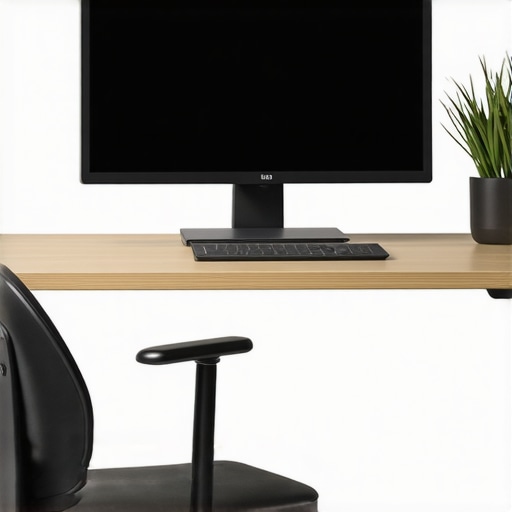 )
)
Incorporate Movement Breaks Regularly
Every 30 minutes, stand up, stretch, or walk around. Try shoulder rolls: lift your shoulders towards your ears, hold briefly, then relax them downward. When I added a timer and committed to these breaks, I noticed significant reduction in shoulder tightness over a few days.
Practice Targeted Shoulder Stretches
Perform gentle stretches such as cross-arm shoulder pulls or doorway stretches. For example, I spend two minutes doing shoulder cross-touches, which quickly relieves muscle knots. Stretching prevents muscles from tightening into painful spasms and promotes mobility.
Use Proper Desk Ergonomics
Adjust your chair height so that your elbows rest at a 90-degree angle and your wrists are straight. Avoid reaching forward or slouching. I once hesitated to invest in an ergonomic chair but after making small adjustments, I experienced immediate relief in shoulder and neck discomfort. Small, conscious adjustments can transform your workspace into a pain-free zone.
Leverage Self-Massage Techniques
Use a tennis ball or massage stick to target tight spots around your shoulders and upper back. Place the ball between your shoulder blade and the wall, gently applying pressure to knots. I personally found that a few minutes of self-massage after work loosened tight muscles and prevented chronic pain from settling in.
Refine Your Work Habits
Avoid cradling the phone between your shoulder and ear. Use a headset or speakerphone instead. Also, limit prolonged static postures—switch between sitting and standing when possible. Implementing these habits after noticing persistent shoulder ache helped me regain comfort and mobility.
Given these steps, remember that small consistency is key. Adjust your environment piece by piece, and over time, you’ll build a workspace that supports your body’s natural alignment and reduces shoulder strain. For more in-depth techniques, explore strategies detailed at this resource or discover quick relief methods here.Many people believe that back pain, sciatica, and neck discomfort are straightforward issues linked directly to posture or injury, but the reality is far more nuanced. A common misconception is viewing pain as purely structural damage that simply needs fixing. In fact, research by Dr. Stuart McGill emphasizes that pain often results from faulty movement patterns and neural sensitivities rather than damage alone, leading many to miss crucial lifestyle and movement factors that perpetuate discomfort. This oversight can cause you to chase temporary fixes—like aggressive stretching or over-reliance on ergonomic gadgets—without addressing the actual root causes. For example, numerous individuals assume that strengthening exercises are always beneficial, but in some cases, they can exacerbate issues if they reinforce poor movement habits or neglect flexibility needs. It’s vital to recognize this and tailor approaches accordingly, as outlined in expert literature on back health. Additionally, beware of the trap of symptom suppression through painkillers or excessive rest, which can prolong recovery or worsen the condition. Studies from the Journal of Orthopaedic & Sports Physical Therapy highlight that activity modification combined with targeted movement therapy outperforms traditional passive treatments. When it comes to sciatica or neck pain, understanding the neural mechanics—like nerve entrapment or hypersensitivity—is crucial. Advanced concepts such as neurodynamics suggest that gently mobilizing the nervous system with controlled movements can significantly reduce symptoms, but many overlook this nuance, leading to ineffective treatment.
Are Your Movements Actually Causing Your Pain? A Deep Dive
Recognizing that chronic pain often stems from maladaptive neural responses and movement habits enables more effective, long-lasting relief. Instead of focusing solely on pain sources, consider how your daily patterns—like sitting position, lifting technique, or even breathing—may be entrenching discomfort. For instance, a study in the journal Pain found that people with persistent back pain often overuse certain muscles while neglecting others, creating imbalances that perpetuate pain cycles. This is where a comprehensive, movement-based approach shines. If you’re tired of recurring pain and want to uncover the deeper causes, explore strategies that address both muscular and neural factors—details of which are explained in our resource on overcoming sciatica. Remember, small adjustments in movement and lifestyle can yield significant improvements over time. Want a personalized plan? Don’t hesitate to reach out via our contact page to start your journey toward lasting relief.
How do I maintain back health over time? Discover effective tools and routines that ensure your mobility and pain relief last. One of my go-to devices is the foam roller, specifically a 36-inch high-density model. I personally use it daily to release tightness in my lats and thoracic spine, which are crucial for overall mobility. The key is consistency—regular self-myofascial release prevents muscles from tightening and becoming chronic sources of pain. For software support, I recommend using posture tracking apps such as Upright Go or Perfect Posture. These tools vibrate gently when you slouch, reminding you to adjust and maintain proper alignment throughout your workday, which aligns with research suggesting biofeedback greatly enhances posture correction efforts (see this article). Looking ahead, I believe the future of back health tools will revolve around real-time sensors integrated with AI to provide personalized movement cues, making maintenance even more effortless. To keep your mobility thriving, incorporate a simple daily routine combining guided stretches, mindful posture checks, and my recommended self-massage tools. For example, try rolling out your upper back with a lacrosse ball; this not only alleviates muscle knots but also conditions your neural pathways to better handle load, as highlighted by expert Dr. Stuart McGill. How do I maintain these habits? Scheduling dedicated time daily and linking them to your existing routines, like morning prep or evening wind-down, makes it sustainable. Start by trying my favorite tip: set a timer to remind you every hour to reset your posture and stretch briefly—small steps lead to lasting results. Want more personalized tactics? Reach out to us via the contact page, and let’s craft a plan tailored for your long-term mobility.
Throughout my exploration of back pain and shoulder discomfort, I’ve uncovered that the most profound lessons often come from unexpected realizations. One of the hardest truths I faced was that even well-intentioned ergonomic tools can backfire if we overlook their fit with our unique bodies and habits. Recognizing these subtle misalignments changed my entire approach—from obsessing over gadgets to emphasizing personalized movement and mindfulness.
Lessons That Changed My Perspective on Pain and Movement
- One size doesn’t fit all. I learned that customizing ergonomic setups and exercises to my body, rather than following generic advice, made a tangible difference in reducing pain.
- Movement beats static fixes. Solely relying on gadgets without active movement and regular adjustments only masked symptoms temporarily, while deliberate movement and posture checks foster lasting relief.
- Listening to my body became my compass. Small cues—like stiffness or subtle discomfort—guided my modifications, preventing larger setbacks and cultivating awareness.
- The neural component matters. Understanding that pain can originate from neural sensitivities, not just structural issues, prompted me to incorporate gentle neural mobilizations, which accelerated my recovery.
- Expert-guided mobility routines. Programs like Unlocking Sciatica Relief provided practical, personalized strategies that bridged the gap between theory and real-world application.
- Self-massage with purpose. Using a tennis ball or foam roller tailored my soft tissue health and empowered me to address hotspots at home effectively.
- Posture tracking devices. Integrating simple tools like posture reminders ensured I maintained awareness during daily activities, preventing habitual poor alignment.
- Educational content on neural health. Books and articles that explain the neurophysiology behind pain helped me shift from a purely structural mindset to a holistic one.
Tools and Resources That Truly Support Healing
Embrace Your Unique Path to Comfort
Taking charge of back and shoulder health requires patience, curiosity, and a willingness to adapt. Every small change—be it adjusting your desk, exploring targeted stretches, or simply becoming more mindful of your habits—plants seeds for long-term mobility and pain reduction. Remember, your journey is uniquely yours, and progress often hides in the quiet moments of awareness and consistent effort. If you’re ready to deepen your understanding or seek personalized guidance, consider reaching out through our contact page. Your body deserves your attentive care and kindness—start today, and cherish each step toward lasting relief.