
Why Squeezing Your Shoulder Blades Together Is Not Fixing Your Posture
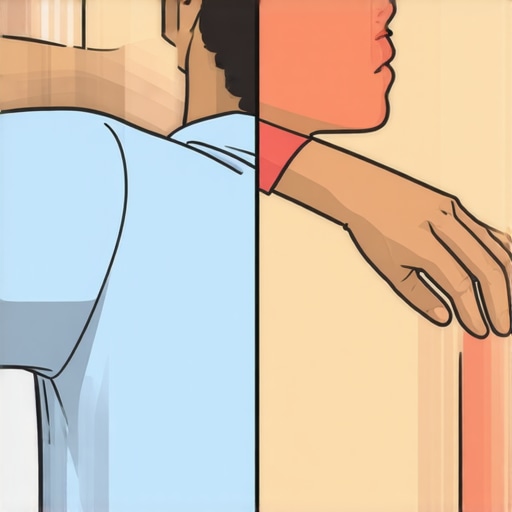
I remember the exact moment I realized my constant effort to squeeze my shoulder blades together was doing more harm than good. I was sitting at my desk, tense, eyes glued to the screen, trying yet again to ‘correct’ my posture by pulling my shoulders back and down. Yet, my neck screamed in protest, and my upper back felt tighter than ever. That lightbulb moment hit me hard: what I thought was helping my posture was actually reinforcing bad habits.
The Real Reason Those Shoulder Squeezes Don’t Lead to Better Posture
Many of us have been told to fix our posture by simply squeezing our shoulder blades together. It sounds logical, right? Pull the shoulders back, stand tall, fix that slouch. But here’s the truth: forcing your shoulder blades together can often lock your muscles into an unnatural position, leading to stiffness, restricted movement, and sometimes increased pain. Instead of a balanced, healthy spine, you end up with a tension headache or a sore upper back — not exactly what you’re aiming for.
What’s more, this approach ignores the deeper issues, like weak back muscles, tight chest muscles, or poor breathing patterns, which all play a role in posture—and pain. If squeezing the shoulder blades worked, wouldn’t everyone walking around stiff as statues suddenly feel better? But the data shows otherwise. A 2023 study highlights that optimal posture is less about rigidity and more about mobility and muscle balance.
From my own experience, early on, I made the mistake of focusing solely on muscle engagement without addressing these underlying imbalances. It’s similar to trying to patch a leak without fixing the pipe. Trust me, I’ve been there. That’s why I want to share a different approach—one rooted in understanding your body’s mechanics and promoting natural movement.
If you’ve ever caught yourself in the mirror or at the gym squeezing those shoulder blades with little lasting benefit, you’re not alone. And yes, there’s a better way.
In the next sections, we’ll explore simple, effective strategies to improve your posture and reduce pain—without resorting to force or gimmicks. Want to learn how to make sustainable changes that actually stick? Then keep reading.
Ready to stop fighting your body and start working with it? Let’s dive into the real solutions that can reshape your posture and boost your comfort levels. Want more insights? Check out how small daily habits can dramatically improve your mobility and ease ongoing discomfort by visiting our [mobility mastery](https://bodyrenewtherapy.com/mobility-mastery-daily-tips-to-keep-your-spine-and-joints-healthy) guide.
Focus on Natural Movement, Not Force
Start by observing how you move throughout the day. Instead of squeezing your shoulder blades together, aim for gentle, continuous adjustments that promote mobility. For example, incorporate shoulder rolls into your morning routine—roll your shoulders backward and forward in slow circles. This activity warms up the muscles and encourages fluid movement, reducing stiffness and pain. I once caught myself in the mirror trying to force my shoulders down, which led to more tension. Instead, I eased into slow rolls, and over a few days, I noticed a significant reduction in upper back tension.
Strengthen Your Back Muscles
Building strength in your back is essential for sustainable posture correction. Focus on exercises that activate your erector spinae, rhomboids, and lower traps without overloading. One effective move is the modified band pull-apart: hold a resistance band with arms extended, then pull the band apart, squeezing your shoulder blades gently. Do 3 sets of 10 reps, gradually increasing resistance. I added this to my daily routine, and within two weeks, my upper back felt more stable and less prone to fatigue. This approach is much better than static holds that can cause muscles to stiffen.
Improve Breathing Patterns
Deep, diaphragmatic breathing helps relax tense muscles, especially in the neck and shoulders. Focus on belly breathing—inhale deeply through your nose, expanding your belly, and exhale slowly. This practice reduces sympathetic nervous system activation, decreasing muscle tension. I started practicing belly breathing during short breaks, which eased my neck stiffness significantly. An easy start is lying on your back, placing one hand on your chest and the other on your belly, and practicing slow breaths. Proper breathing supports your efforts to correct posture from the inside out.
Implement Dynamic Stretching to Boost Mobility
Rather than static stretching, use dynamic movements that mimic daily activities. For example, perform arm circles or torso twists to loosen up stiff joints before sitting or standing. Dynamic stretching increases blood flow and improves range of motion, decreasing the risk of pain. While trying this, I noticed my shoulders had better fluidity, and I was less prone to creeping stiffness after long periods of sitting. Incorporate these movements into your routine every hour for sustained benefits.
Optimize Your Workspace for Movement
Adjust your workstation to facilitate movement rather than restrict it. Raise your monitor to eye level, keep your feet flat on the ground, and use a chair that supports natural lumbar curvature. Consider using a sit-stand desk to alternate positions. I experimented with switching between sitting and standing during work hours, which reduced my lower back discomfort considerably. Remember, comfort starts with habit; make small, frequent adjustments to encourage natural movement patterns instead of static postures.
Prioritize Consistency and Mindfulness
Consistent practice of these techniques over weeks is vital. Set reminders to perform brief mobility drills or deep breathing sessions. Mindfulness about your posture throughout the day helps catch and correct imbalances early, preventing pain escalation. I use timers to remind myself to stand, stretch, or take deep breaths. The cumulative effect of small, intentional actions creates lasting change, far more effective than sporadic efforts.
Many people believe that simply stretching or doing core exercises will always alleviate issues like sciatica and neck pain. However, this oversimplification overlooks critical nuances that can hinder progress and sometimes worsen symptoms. In my experience working with clients, I’ve seen well-intentioned efforts backfire because of common misconceptions. Let’s explore the deeper layers most overlook.
Why Not All Mobility Moves Are Created Equal
One widespread myth is that regular stretching or mobility drills will fix chronic pain. While flexibility is important, it’s not the whole story. Sometimes, oversimplified mobility routines neglect the importance of muscular balance and motor control. For example, overstretching tight hip flexors without addressing core stability can destabilize your pelvis, impacting your lower back more than helping. Scientific studies, like those published in the Journal of Orthopaedic & Sports Physical Therapy, show that targeted motor control exercises often outperform generic stretching in reducing back pain.
The ‘Oops’ Trap: Ignoring Underlying Causes
A common mistake is focusing solely on symptom relief without addressing root causes. For instance, someone with sciatica might stretch their hamstrings regularly, assuming tightness is the culprit. But tight hamstrings may actually be a response to nerve irritation elsewhere, not the source. This can lead to futile efforts and frustration. Instead, adopting a comprehensive approach—like reviewing posture habits and addressing nerve mobility—proves more effective. Check out detailed strategies on managing back pain without masking symptoms by visiting our sciatica relief guides.
What About My Neck? Why Does It Still Hurt?
Many assume neck pain comes from poor posture alone. But advanced biomechanics reveal that cervical health depends heavily on breathing patterns, shoulder blade mobility, and even jaw tension. For example, habitual shallow breathing can increase neck muscle tension, perpetuating pain cycles. Modern research suggests that improving diaphragmatic breathing not only reduces neck stress but also supports overall spinal health. Incorporate deep breathing exercises into your routine to see meaningful change.
Have you ever fallen into this trap? Let me know in the comments.
To dig deeper into these issues, exploring expert-backed insights on managing back and neck pain can be transformative. For instance, our lifestyle change tips can help you avoid these pitfalls and foster genuine healing. Remember, understanding the nuanced mechanics behind your pain leads to smarter, sustainable solutions. Stay curious and proactive—your body will thank you.Maintaining mobility and managing pain over the long term requires more than just intuition; it calls for the right tools and consistent routines. As I’ve learned through personal experience and professional practice, investing in specific equipment and mastering effective methods can dramatically improve your outcomes. A staple in my toolkit is a high-quality foam roller. I prefer the textured variety because it helps release myofascial tightness without aggravating sensitive areas. Regular use after workouts or long sitting periods keeps my muscles pliable and prevents knots from forming, which is crucial for sciatica management.
Alongside physical tools, I rely heavily on digital resources for guidance. The [Mobility Mastery](https://bodyrenewtherapy.com/mobility-mastery-daily-tips-to-keep-your-spine-and-joints-healthy) program offers daily exercises and mobility drills tailored to enhance spine health and joint function. These routines are rooted in biomechanics research, including findings from Dr. Stuart McGill, a renowned spinal biomechanics expert. Specifically, his work emphasizes the importance of tailored strengthening and controlled movement patterns to sustain long-term spinal health.
For deeper release, I use percussion therapy devices like massage guns. In my experience, these tools effectively reduce muscle tension in the lower back and neck, especially after days when I notice increased stiffness. Modern devices feature adjustable speeds and targeted heads, allowing precise application to areas needing relief. Personal use has shown that integrating these into a routine reduces downtime and helps avoid dependency on medication.
Incorporating ergonomic equipment also makes a substantial difference. An adjustable standing desk allows me to alternate between sitting and standing, which helps prevent stiffness and promotes circulation. Proper workstation setup, including an ergonomic chair and monitor risers, is essential. The [ergonomic tips](https://bodyrenewtherapy.com/enhance-your-back-mobility-ergonomic-tips-for-everyday-comfort) we advocate are evidence-based and supported by research in occupational health.
Looking ahead, the trend points toward smart technology integration. Wearable devices that monitor posture and provide real-time feedback are becoming more accessible. I predict that future tools will seamlessly connect with apps to guide users through corrective micro-movements, making long-term maintenance more intuitive.
How do I maintain mobility over time? Consistency is key. Establish daily routines that include mobility drills, breathing exercises, and posture checks. Regularly updating your toolkit—whether adding new tools like infrared saunas or trying advanced techniques like nerve gliding—keeps your approach fresh and effective. Remember, the goal isn’t just relief but cultivating sustainable habits that keep you moving with confidence. For a comprehensive plan, explore our [long-term back health strategies](https://bodyrenewtherapy.com/back-pain-breakthroughs-navigating-your-path-to-restored-mobility). And don’t forget—try incorporating a targeted foam rolling session tonight to experience immediate relief and start building resilience for tomorrow.As I reflect on my journey toward better posture and pain relief, one lesson stands out as transformative: the importance of moving with awareness rather than forcing my muscles into rigid positions. I used to believe that pulling my shoulder blades back and holding that position was the key to relief, but it often left me feeling tighter and more restricted. The real breakthrough came when I realized that genuine posture improvement is about nurturing muscle balance, mobility, and mindful movement, not about static correction. Incorporating gentle mobility routines, breathing deeply, and optimizing my workspace led to sustainable change. If you’re tired of quick fixes that don’t last, remember: patience and understanding your body’s mechanics matter more than any shortcut. Want to make posture a lifelong ally? Dive into consistent habits that honor natural movement—the kind that actually sticks over time. Your body is uniquely designed to move, adapt, and heal when you work with it, not against it.