
Why Stretching Your Hamstrings Might Be Making Your Sciatica Worse
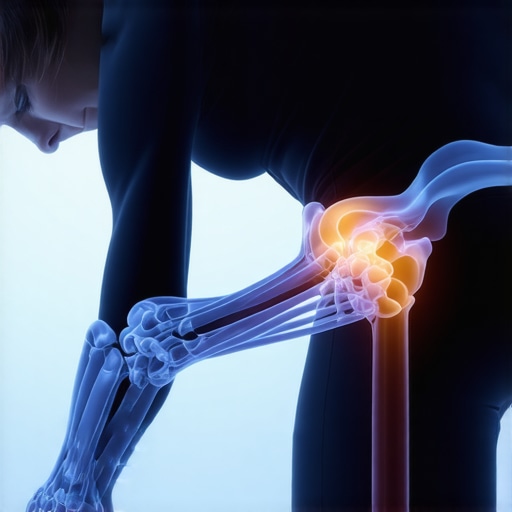
I remember the precise moment I realized I’d been doing it all wrong with my back pain. Sitting on my floor, trying to stretch my hamstrings—those seemingly harmless, tight muscles—only to feel an agonizing spike down my leg. It was like inviting trouble to the party. That lightbulb moment made me question every stretching routine I’d followed, and guess what? It turns out that a common move meant to help can sometimes make things much worse.
Are Your Hamstring Stretches Sabotaging Your Recovery?
Chronic pain sufferers, especially those dealing with sciatic nerve issues, often hear that tight hamstrings are part of the problem. So naturally, many dive into daily stretches, thinking they’re doing the right thing. But what if I told you that improperly performed hamstring stretches—or worse, stretching at the wrong times—can actually aggravate your sciatic symptoms? Over time, I learned that not all stretches are created equal and that rushing into them without understanding your body might be{‘ ‘}a mistake I made early on.
Is Your Hamstring Stretch Worth the Risk?
When I first began my journey, I thought more stretching would be the answer. I’d push through discomfort in my effort to loosen those muscles. However, I didn’t realize that excessive or improper stretching can increase nerve tension and inflammation, sometimes worsening sciatic pain. This realization was backed up by research indicating that aggressive stretching without proper technique or timing can have counterproductive effects. If you’ve experienced similar setbacks, you’re not alone. I’ll guide you through understanding what truly helps and what to avoid, so you can move smarter and reduce your pain instead of amplifying it.
Have you found yourself stretching blindly, only to feel worse afterward? If so, keep reading. There’s a better way to approach your mobility that can bring relief faster and safer than traditional methods. And it all begins with recognizing that your body has unique needs—sometimes, less really is more. To explore this further, consider how proper technique and timing can make a significant difference in your recovery. For more insights, check out expert mobility tips designed to help you regain control over your pain.
Get Clear on When to Stretch
To start, recognize that stretching isn’t a daily ritual to perform blindly. Think of your muscles like a garden; they flourish best when you assess their condition first. Begin by easing into gentle movements and feel for tightness or discomfort, rather than rushing into deep stretches. For example, last week, I spent a morning lying on my back, gently pulling my leg toward my chest to gauge tension—this quiet assessment helped me avoid overstretching and worsening my sciatic pain.
Apply Proper Technique with Precision
When performing hamstring stretches, use slow, controlled movements. Imagine trying to peel an onion layer-by-layer—rushing causes tears and mistakes. Remember, your goal is to improve flexibility without increasing nerve tension. I once tried a hamstring stretch by leaning forward rapidly, which only intensified my pain. Correcting this, I slowed down, kept my back straight, and only bent at the hips as far as comfort allowed, resulting in a gentle loosening after a few sessions.
The 90-Degree Rule: Protect Your Lower Back
Always maintain a 90-degree angle at your hips when stretching. Visualize the pelvis as a bowl; tilting it improperly can spill tension onto your sciatic nerve. Last month, I used a yoga strap to keep my hamstring engaged without overextending, which prevented me from pulling into dangerous positions. This method ensures that your stretch is targeting the muscle, not straining your lower back or sciatic nerve.
Timing Matters: Stretch Smart, Not Hard
Perform stretches when muscles are warm—post-activity or after a warm shower. Think of this as softening butter before spreading—it spreads more evenly and safely. I incorporated a light session after my morning walk, which made my hamstrings more receptive and reduced irritation during the day. Avoid stretching when muscles are cold or when pain flares up, as this can aggravate sciatic symptoms. For persistent issues, consult this resource for comprehensive strategies.
Incorporate Strength and Mobility for Lasting Relief
Stretching alone won’t solve underlying imbalances. Pair your routines with strengthening exercises that stabilize your hips and pelvis. For instance, micro-movements that target the glutes and core can prevent the hamstrings from tightening excessively. I began integrating simple bridges and pelvic tilts into my routine, noticing a marked decrease in sciatic episodes. Think of it as reinforcing the foundation of a building; stronger support reduces the tendency for muscles to pull awkwardly during everyday movements.
Be Patient and Consistent
Progress takes time, especially with nerve-related pain. Keep habits consistent and avoid over-stretching in a single session. Like tuning a guitar, small adjustments over days lead to harmony. I kept a daily log, noting when stretches felt beneficial or if discomfort increased, allowing me to fine-tune my approach.
For further guidance, check out expert mobility tips that emphasize tailored routines for back health. Proper technique, timing, and patience are your allies in reclaiming pain-free movement without risking further nerve irritation.Many assume that stretching everything constantly is the key to relief, but in my experience, this can actually sabotage recovery. The misconception that flexibility alone solves issues overlooks the importance of context, timing, and technique. For example, doing deep hamstring stretches without considering your body’s current state can increase nerve tension, aggravating sciatic symptoms instead of alleviating them. As Dr. Stuart McGill emphasizes, understanding the functional role of muscles and nerves is crucial; overstretching can cause micro-tears or nerve irritation, especially if performed improperly or at the wrong time. This misconception often leads people into a trap of continuous stretching, hoping for instant relief, when in reality, precision and moderation are what truly matter.
**Are Some Mobility Techniques Doing More Harm Than Good?** Many practitioners recommend aggressive stretching or foam rolling, but recent research suggests that these can sometimes increase inflammation and nerve sensitivity if misapplied. For instance, repeatedly stretching the hamstrings aggressively can pull on the sciatic nerve or surrounding tissues, intensifying pain. A better approach involves gentle, controlled movements that respect your body’s signals, focusing on strengthening supporting muscles rather than just elongating tight ones. For those dealing with chronic back pain, integrating mobility work with strength and stabilization exercises is vital. Proper techniques, such as maintaining a 90-degree hip angle during stretches or warming muscles before elongation, make a huge difference—yet they are often overlooked.
**What’s the Advanced Mistake That Most Experts Miss?** One common oversight is neglecting the role of posture and nerve health in mobility routines. Many focus solely on muscle flexibility, forgetting that nerves need room to glide freely. Tight ligaments, misalignments, or poor posture can keep nerves compressed or restricted, leading to persistent pain. Engaging in nerve gliding exercises or correcting your postural habits can unlock mobility in a way stretching alone cannot achieve. For example, poor ergonomic setups may perpetuate neural tension, making mobility efforts less effective. For comprehensive strategies, see how improving posture links directly to chronic pain relief, like in this resource.
**How Can You Work Smarter with Your Mobility regimen?** Instead of blindly stretching or forcing movement, pay attention to subtle cues from your body. Focus on integrating gentle mobility with stabilization exercises, and do so when muscles are warm and relaxed. Remember, progress takes patience; rushing can lead to setbacks. A nuanced understanding of these factors—timing, technique, posture—can transform your recovery journey. Want to refine your approach? Explore expert tips on managing back pain effectively.
Have you ever fallen into this trap? Let me know in the comments.
Keeping It Working: Essential Tools to Maintain Your Mobility and Reduce Pain
After investing time and effort into improving your mobility and alleviating back, neck, or sciatic pain, the key to long-term success lies in having the right tools and routines in place. I’ve personally found that integrating specific equipment and software can make a significant difference in maintaining the results and scaling up your progress over time. In this section, I’ll share the tools I recommend based on my experience and how they can help you sustain your gains effectively.
Smart Ergonomic Devices for Posture Monitoring
One of the most impactful tools I’ve incorporated is a posture sensor that provides real-time feedback. Devices like upright sensors or wearable tech, such as the smartphone posture apps, help me stay mindful of my alignment throughout the day. These tools alert me if I slouch or lean forward, prompting immediate correction before discomfort sets in. Consistent use of such devices cultivates awareness, preventing poor habits from creeping back and ensuring that good posture becomes second nature.
Foam Rollers and Myofascial Release Tools
Investing in a high-quality foam roller has been a game-changer. I prefer textured rollers that target tight fascia without causing undue strain. Regular rolling sessions help maintain soft tissue elasticity, which is crucial for long-term relief. Advanced tools like massage balls or handheld percussion massagers allow me to target specific areas, such as the piriformis or thoracic muscles, reducing chronic tightness and nerve impingements. These tools are practical, portable, and adaptable to my schedule, enabling consistent maintenance even during busy days.
My Recommended Exercise Software and Apps
There’s no shortage of mobility programs online, but I recommend apps designed specifically for back and neck health. Programs like Mobility Mastery or personalized coaching apps provide tailored routines, track progress, and adapt exercises based on your evolving needs. Using these digital tools keeps me accountable and ensures I perform precise movements to reinforce stability and flexibility. Regular updates and expert-guided routines prevent plateaus and help scale my progress as I build resilience.
Planning for the Future: Scaling Your Routine
Looking ahead, I predict that integrating biofeedback and AI-guided programs will become the norm, providing even more personalized insights. These advancements will help identify specific risk factors and adapt routines accordingly, making maintenance smoother and more effective. I envision a future where your device anticipates issues before they escalate, allowing preemptive adjustments to your daily habits. For now, combining wearable tech with comprehensive routines is a smart way to sustain and scale your progress.
How do I maintain my improvements long-term?
One strategy I highly recommend is scheduling regular check-ins using apps or tools like movement trackers. Set reminders to perform mobility drills, self-assess posture, and review progress with a journal. Consistency is vital, and these tools make it easier to stay disciplined and recognize when adjustments are needed. Don’t forget to revisit cornerstone resources like comprehensive back health strategies periodically to ensure your routines align with current best practices. Incorporate these tools into your daily life, and you’ll set yourself up for sustained relief and greater resilience against setbacks.
Try integrating a posture sensor or dedicated movement app today to keep your progress on track. Small, consistent steps with the right tools lead to lasting change and help you enjoy a pain-free, active lifestyle for years to come.
The Hardest Lesson I Learned About Mobility, Back Pain, Sciatica, and Neck Pain
One of the most profound realizations in my journey was understanding that not every stretch or movement helps—it can sometimes hinder recovery. I once believed that pushing through discomfort would speed up healing, but I learned that patience and precise actions are key to true relief.
How Ignoring Posture Cost Me Valuable Progress
Ignoring the importance of posture correction was a mistake I often made. Proper alignment is the foundation of mobility; neglecting it meant my efforts on flexibility were undermined. Prioritizing posture awareness transformed my recovery process and can do the same for you.
The Power of Small, Consistent Steps
I discovered that incremental improvements, like daily mindful movements and gentle stretches, outperformed intense, irregular routines. Consistency, combined with smart techniques, creates lasting change and prevents setbacks.
My Essential Toolkit for Back and Neck Relief
From ergonomic devices, like posture sensors, to mobility apps tailored for back health, I trust these tools because they integrate seamlessly into daily life, keeping me on track without added stress. They act as your personal coaches, ensuring your routines are effective and safe.
Your Turn to Embrace Smarter Movement
Remember, recovery isn’t about forcing flexibility but nurturing your body’s natural capacity for healing with patience and correct technique. The journey to pain-free movement is unique, but with mindful strategies, you can reclaim control and enjoy lasting relief.
What has been your biggest breakthrough or challenge in managing back or neck pain? Share your experience below—I’d love to hear your story and support your progress!