
Why Traditional Sit Ups Are Destabilizing Your Lumbar Spine
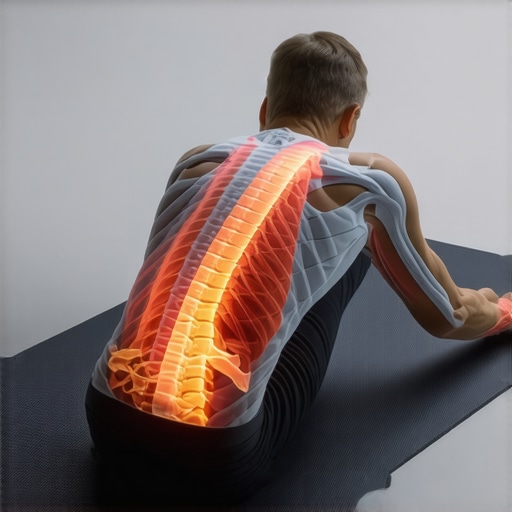
It was a typical morning when I felt that sharp, stabbing sensation shoot through my lower back as I tried to get out of bed. No dramatic injury, no heavy lifting—just a simple sit-up gone wrong. That lightbulb moment hit me hard: maybe my favorite core exercise was doing more harm than good. If you’ve ever struggled with persistent back pain or sciatica after a workout, you’re not alone. I found myself questioning the long-held belief that sit-ups are the best way to strengthen your core. Turns out, they might be quietly destabilizing your lumbar spine instead.
Reconsidering Your Approach to Core Strength
When I first started noticing my back symptoms worsening despite countless hours on the gym floor, I realized I had been doing exercises that, while popular, weren’t necessarily safe. Traditional sit-ups often encourage a repetitive crunching motion that compresses the lumbar spine, especially if performed with poor technique. Over time, this can lead to instability and joint stress, setting the stage for chronic pain and mobility issues. I learned that strengthening our core isn’t about grinding out endless sit-ups but rather about creating balanced stability through safer, more effective movements.
Is the Hype About Sit-Ups Actually Worth the Risk?
In my early days, I made the mistake of believing that more is better. I thought doing more sit-ups would accelerate my progress. Unfortunately, that approach only worsened my discomfort. What I overlooked was the importance of proper technique and the specific muscles involved. You see, not all core exercises are created equal, and some can actually undermine your spinal health. Industry experts warn that repetitively stressing the lower back with traditional crunches can lead to poor posture and chronic strain. For my part, I had to learn the hard way that safe, targeted mobility exercises are far more beneficial—and less risky—than sheer repetition. For practical advice suited for your situation, you might want to explore mindful movements that enhance your [back mobility](https://bodyrenewtherapy.com/boost-your-back-mobility-simple-exercises-that-make-a-difference). So, are you still doing sit-ups the way you always have? If so, it might be time to reassess.
Start with Gentle Mobilization Exercises
Recognize that stiff muscles and joints often exacerbate back pain, so begin with gentle movements that promote blood flow and flexibility. I once incorporated a daily 5-minute routine of hips and spine rotations, which significantly reduced my discomfort over a week. Use exercises like pelvic tilts and cat-cow stretches to awaken your core safely.
Prioritize Pain-Free Movement
Move slowly and stop if you feel sharp pain—discomfort isn’t the goal; mobility is. I’ve found that focusing on controlled, slow motions helps re-establish safe movement patterns. For targeted guidance, explore these mobility exercises designed to enhance back flexibility without strain.
Engage Your Core Properly
To build stability, consciously activate deep core muscles instead of relying on superficial ones. During my practice, I started doing simplified abdominal bracing, imagining pulling my navel toward my spine, which provided a solid support system. Take time to distinguish between superficial and deep muscle engagement; this is key.
Learn Nerve and Muscle Glides
Nerve mobilization techniques help reduce sciatic irritability, clearing the way for movement. I tried gentle nerve glides, such as the ‘flying squirrel’ move, which eased nerve tension and improved limb mobility. Incorporate these techniques gradually—consult nerve glide drills for step-by-step instructions.
Strengthen Supporting Muscles
Focus on exercises that target the pelvis and hips, like bridge lifts or bird dogs. These strengthen muscles that support your lumbar spine and prevent future injury. I found that incorporating these into my routine twice a week enhanced core endurance, reducing my flare-ups. Remember to perform these with proper form to avoid compensations.
Address Posture and Ergonomics
Identify daily habits contributing to poor posture, such as slouching at your workstation. A simple adjustment, like elevating your monitor, can make a difference. I personally noticed less neck and back tension after setting my screen at eye level and using a supportive chair. For ergonomic tweaks, see ergonomic improvements tailored to daily life.
Integrate Consistent Movement and Rest
Balance activity with rest by avoiding prolonged static positions. After days of steady activity, I made sure to stand, stretch, and walk for a few minutes every hour. This prevents stiffness and allows tissues to recover. The key is consistency—small daily steps lead to long-term healing.
Monitor Progress and Adjust
Track your pain levels and mobility improvements. If a particular exercise causes discomfort, modify or skip it. Over time, you’ll learn which movements promote healing and which exacerbate symptoms. Remember, patience is essential—as chronic issues rarely resolve overnight. For ongoing tips, consider reviewing daily mobility routines that fit into a busy schedule.Many people assume that addressing pain is simply about symptom relief or following generic advice, but in my experience, there’s a layered complexity most overlook. One common misconception is that gentle stretching always alleviates stiffness and discomfort. While stretching can be beneficial, doing it without understanding the underlying causes—like joint restrictions or nerve irritability—can sometimes worsen the condition. For example, aggressive or improper hamstring stretching may increase lumbar strain if the core and pelvic muscles aren’t properly engaged, emphasizing the importance of targeted mobility work rather than one-size-fits-all routines.
Are We Ignoring the Neurological Factors Behind Pain?
When it comes to sciatica or neck pain, many focus solely on muscular tightness, but nerve health plays a crucial role. Nerve irritability, entrapment, or poor neural mobility can perpetuate symptoms despite strong muscles. Experts highlight that nerve gliding and neural mobility drills, which are often ignored, can make a significant difference in breaking pain cycles. Incorporating techniques like nerve slips or gentle nerve mobilizations can help reduce inflammation and restore proper nerve function, yet they are rarely emphasized in standard routines. For a comprehensive approach, check out these strategies for sciatica relief. Trying to force yourself into advanced stretches or invasive treatments without addressing nerve health risks creating a cycle of frustration and worsening symptoms. Additionally, the myth that pain always indicates damage can lead us astray. Chronic pain can persist longer than tissue damage would suggest, often due to neurological sensitization and inflammation. Recognizing this distinction allows for smarter, more effective treatment plans and helps prevent unnecessary interventions. For instance, focusing on movement quality and gradual load management—rather than just pain avoidance—is essential. Please consider reviewing the link between posture and chronic pain to better grasp how subtle misalignments contribute to long-term issues. Remember, the path to lasting relief isn’t merely about doing more exercises but doing the right ones and understanding the nuanced interplay between muscles, joints, and nerves. So, have you ever fallen into this trap of oversimplifying your pain management? Let me know in the comments.Maintaining your spinal health requires the right tools and a consistent approach. One of my favorites is a quality foam roller, such as the TriggerPoint GRID, which I use daily to release muscle tension along my thoracic and lumbar regions. Its firm yet forgiving surface helps break up fascia adhesions, improving mobility and reducing pain. Additionally, I incorporate resistance bands like the Rogue Resistance Bands for gentle strength training and mobility drills, especially when targeting supporting muscles around the hips and pelvis. I personally prefer bands with a varied color-coded resistance, allowing me to progressively challenge myself without risking overstretching. A reliable posture corrector, like the Upright GO 2, has been instrumental in reminding me to maintain proper spinal alignment during long work sessions. It utilizes gentle vibrations to correct slouching, which is crucial for avoiding chronic strain. For nerve glide exercises, I recommend a simple, 5-minute stretching routine using a yoga mat and a set of sliders or towels to assist in controlled movements. These tools facilitate precise nerve mobilization, which I find essential in managing sciatic symptoms. Looking ahead, wearable technology equipped with biofeedback capabilities is gaining popularity. Devices like Muse headbands or even smart insoles can monitor and encourage proper movement patterns, providing real-time feedback to prevent poor ergonomics. Industry experts predict that integrating AI-driven motion sensors will become standard, offering personalized correction tips and progress tracking. To keep these tools effective over time, I recommend scheduling monthly check-ins to assess whether your equipment still meets your evolving needs. Regular cleaning, proper storage, and eventual upgrades help maintain longevity and functionality. How do I keep my tools working? I ensure I clean my foam roller with a disinfectant spray after every few uses and replace resistance bands once they show signs of wear. For example, the TriggerPoint GRID can last up to a year with proper care if used daily. Also, I update my nerve gliding routines periodically, inspired by recent research like the 2023 study highlighting the importance of neural mobility in spinal health. You can find detailed exercises in dedicated resources or consult a professional for tailored guidance. For peace of mind, always choose tools that adhere to medical-grade standards and have positive user reviews. Remember, implementing these tools consistently and correctly can dramatically influence your long-term mobility and pain management. So, why not start today? Try incorporating the simple nerve glide exercise I mentioned, using a towel or sliders, to help reduce sciatic irritation. Small, consistent efforts with the right tools set the foundation for a healthier, pain-free spine.
Three Surprising Truths I Discovered About Back Pain
One of the hardest lessons I learned was that more exercises aren’t always better—quality and understanding matter. I once believed that pushing through pain with endless sit-ups would fix my core, but it only aggravated my symptoms and delayed recovery.
Another insight was recognizing the importance of neural health. Nerve gliding and mobilization are often overlooked but can make a profound difference in alleviating sciatic pain. Addressing nerve mobility was a game-changer for me, and it might be for you too.
Lastly, I realized that internal muscle engagement is more effective than superficial workouts. Learning to activate my deep core muscles provided stability I couldn’t achieve with traditional crunches, helping me regain mobility and confidence.
Tools That Made a Difference in My Healing Path
I trust the mobility exercises I incorporated into my routine—they are simple yet powerful for restoring spinal flexibility. Using a foam roller like the TriggerPoint GRID helped release fascia adhesions and break up muscle tension, which significantly reduced discomfort.
For awareness and posture correction, I rely on the Upright GO 2, a device that gently reminds me to maintain proper alignment and avoid slouching. Incorporating resistance bands into my exercises allowed me to strengthen supporting muscles safely and effectively, preventing future injuries.
To stay informed and motivated, I follow expert guides and updated routines from trusted sources like sciaitica relief strategies—they have helped me understand the nuances of nerve and muscle health better.
Fuel Your Progress: Your Next Step Awaits
Healing and improving mobility is a journey, not a race. The key is consistent, mindful movement and listening to your body’s signals. Small daily actions—like nerve glides or mindful core activation—not only reduce pain but build resilience.
Remember, your path is unique, and finding what works best for you is part of the process. Start incorporating gentle mobility exercises and explore supporting tools—your back and neck will thank you in the long run.
What small change will you try today to improve your back or neck mobility? Share your plan below—let’s move toward healing together!
,