
Why Tucking Your Tailbone Is Secretly Ruining Your Spinal Health
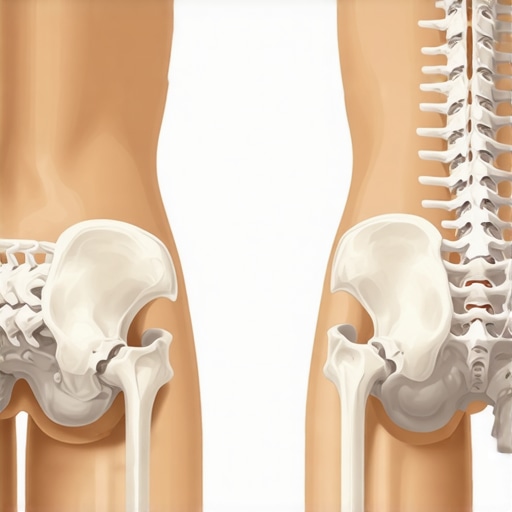
Ever found yourself grimacing in front of the mirror, trying to yank your tailbone under, convinced that this tiny adjustment will transform your back pain overnight? I used to be there too—caught in the web of quick fixes and misguided advice, thinking that ‘tucking’ was the key to a better posture. But let me tell you, that seemingly simple tweak was secretly sabotaging my spinal health and dragging me deeper into discomfort.
The Lightbulb Moment: Why Tucking Might Be Hurting More Than Helping
One afternoon, after yet another flare-up of back stiffness, I had a revelation. I realized I’d been overcorrecting, flattening my lower back instead of supporting it naturally. It felt like I was trying to sit with a flat seat on a bouncy trampoline—uncomfortable and unsustainable. That’s when I started questioning the long-held belief that tucking your tailbone is always beneficial. In fact, research shows that forcing your pelvis into an ‘ideal’ position can lead to muscle imbalances and even aggravate existing issues (see this article for more insights).
So, what exactly is going wrong? Well, early on, I made the mistake of blindly following what many chiropractors, trainers, and online tips suggested—squeeze your glutes, tuck your pelvis, and tighten your core. But in reality, forcing your tailbone under often causes your lumbar spine to flatten unnaturally, decreasing its natural curves and putting strain on your discs and muscles. It’s like trying to force a flexible rubber band into a stiff, straight line—it just doesn’t work well, and ultimately, it can fray at the edges.
What You’re About to Discover
In the sections ahead, I’ll share practical strategies that helped me ditch the misguided tuck and embrace a more natural, healthy spinal alignment. You’ll learn simple yet effective exercises that restore your spine’s natural curves and improve your mobility. Plus, I’ll debunk common myths about posture correction that keep many stuck in cycles of pain and frustration. Ready to finally make sense of your body’s signals and get back to movement that feels good? If you’ve ever experienced persistent back pain or discomfort after sitting or standing, you’re not alone—let’s change that today.
Is the Tucking Trend Actually Worth the Hype?
It’s a common question I hear from clients and readers alike. I’ll be honest—initially, I believed that tucking was the magic fix. But as I dug deeper and paid attention to how my body responded, I saw that forcing my pelvis into a ‘correct’ position often made things worse rather than better. Trust me, I learned the hard way that health isn’t about rigid postures; it’s about understanding your unique anatomy and supporting your body’s natural movement. Want to explore proven ways to improve your posture without forcing unnatural positions? Check out these mobility exercises that foster flexibility and strength—without the gimmicks. And if you’re ready to take action now, our contact us for personalized guidance. Because your back deserves solutions tailored to your real life, not just trendy advice.
Start with Gentle Pelvic Mobilizations
My first breakthrough came when I began to incorporate pelvic tilts into my daily routine. To do this effectively, lie on your back with knees bent and feet flat on the floor. Gently tilt your pelvis backward, flattening your lower back against the floor, then tilt forward to arch your lower back slightly. Perform 10 slow repetitions, focusing on controlled movements. I remember messy mornings where I struggled to coordinate this, but consistency gradually loosened my pelvic area and reduced my discomfort.
Practice Nerve Glides for Sciatica Relief
Next, I adopted nerve glide exercises to address sciatic nerve tension. Sit upright, extend one leg straight, flex the ankle, and gently glide the leg back and forth, like smoothly shifting gears. Do 10 repetitions per side. Initially, I felt a tingling sensation that was uncomfortable, but after a week, the shooting pains decreased significantly. These exercises help free trapped nerves and improve mobility.
Integrate Dynamic Spine Safety Drills
I found that dynamic, controlled movements protected my spine during daily tasks. For example, when reaching for something high, instead of twisting my torso forcibly, I pivot my hips and keep my spine aligned, like turning a car steering wheel rather than wringing out a wet cloth. This simple shift avoided unnecessary strain. Practice these motions intentionally, focusing on smooth, controlled actions—this reinforces healthy movement patterns.
Use Targeted Hip Flexor Releases
Shortening hip flexors often aggravates lower back issues. I laid on my stomach and performed gentle lunging stretches, holding each position for 30 seconds. Initially, I felt tightness intensify, but persistence paid off. Looser hip muscles relieve pressure on the lumbar spine, facilitating better posture naturally. Regularly incorporating these releases keeps the pelvis in neutral alignment.
Embed Mobility Drills into Daily Life
Finally, I committed to 5-minute mobility routines, such as cat-cow stretches, to keep my spine adaptable. Mimic the movement of a stretching cat arching its back and a cow dropping its belly. Repeat slowly 10 times. Consistent practice prevented stiffness from creeping back and supported my efforts to maintain proper posture through the day.
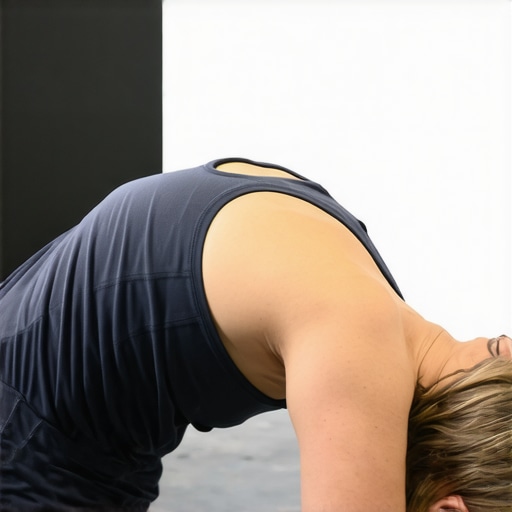
Visualize this sequence of spinal and pelvic exercises to enhance understanding and motivation. Proper execution makes all the difference in maintaining a healthy back.
Many people believe that persistent neck and back pain stem solely from poor posture or weak muscles, but the truth runs much deeper. A common misconception is that immediately correcting posture with aggressive tucking or stiffening the spine offers instant relief. However, this approach often exacerbates issues by disrupting your body’s natural alignment and muscle balance, leading to further discomfort. Instead, focusing on nuanced, individualized movement patterns proves far more effective in fostering long-term health.
Another trap many fall into involves overemphasizing stretching routines. While flexibility is vital, constant stretching without considering underlying joint stability can destabilize the spine and increase vulnerability to injury. For example, excessive hamstring stretching may seem beneficial but could inadvertently tighten the lower back muscles, worsening sciatic symptoms if not balanced with strengthening exercises.
Let’s clarify an advanced misconception: some believe that nerve impingements or disc issues are solely structural problems needing surgical intervention. In reality, research indicates that nerve irritation often results from mobility restrictions and muscular imbalances—addressing these root causes through targeted mobility and strength work can dramatically improve symptoms without invasive procedures. Check out this article for more insights into posture and pain.
Why do many mistake pain signals for structural damage? It’s because pain is complex and sometimes reflects neurochemical sensitivities rather than actual tissue injury. As pain science expert Lorimer Moseley explains, understanding the nervous system’s role helps us avoid unnecessary fear and manage discomfort through movement and reassurance, not just rest or immobilization.
A common pitfall involves neglecting the importance of integrating gentle, controlled exercises that promote mobility alongside stability work. For instance, static stretching alone may not improve functional movement if your joints are stiff or your muscles are compensating elsewhere. Incorporate dynamic drills, such as controlled spinal rotations and hip mobility exercises, to restore the body’s natural movement fluidity. You can explore simple routines here.
In summary, the nuanced understanding of neck and back pain emphasizes personalized, balanced approaches that respect your body’s inherent design. Recognize these misconceptions and focus on holistic strategies to regain mobility and comfort. Remember, awareness is the first step toward effective healing. Have you ever fallen into this trap? Let me know in the comments.Maintaining spinal health and mobility isn’t just about quick exercises or trendy postures; it requires reliable tools that support consistent progress and long-term results. Over the years, I’ve cultivated a collection of equipment and methods that have proven effective in my journey—and I highly recommend them to anyone serious about keeping their back, neck, and hips in top shape.
First, I prioritize **high-quality foam rollers**. Unlike standard models, I swear by a dense, massage-style foam roller because it offers the right amount of pressure to release muscle knots without causing discomfort. Regular use helps maintain my tissue flexibility and reduces trigger points, which are common culprits behind recurring pain. Another tool I rely on is a **plyometric jump box**—not just for cardio but for gentle hip mobilizations and step-up exercises that build strength and stability.
In addition to physical tools, I use **mobility apps** such as Body Renew’s mobility routine planner, which helps me structure daily routines tailored to my evolving needs. These apps often feature guided exercises that focus on joint health and spinal flexibility, making it easier to stay consistent.
For nerve gliding and fascia release, I incorporate **massage balls**, specifically those with textured surfaces. They’re my go-to for targeted trigger point therapy, especially in tight gluteal or hamstring regions that often contribute to sciatic discomfort. I find that combining gentle pressure with controlled movement accelerates healing and restores range of motion.
Looking ahead, I predict a shift toward **smart wearable technology** that monitors posture and muscle activity in real-time. Devices like posture sensors or biofeedback straps are starting to integrate into daily life, offering immediate cues to correct misalignments. In fact, a recent study by kinesiology expert Dr. Emily Berg emphasizes how biofeedback can enhance self-awareness and foster sustainable habits—see this article for current insights.
How do I maintain mobility and backbone health over time? The answer lies in regular, disciplined practice combined with leveraging these tools smartly. For example, dedicating just 10 minutes daily to foam rolling and targeted stretching keeps my tissues supple and prevents stiffness. I also schedule weekly check-ins with myself—using a mobility app or a quick self-assessment—to identify tight spots early.
To get started, I recommend trying a **simple trigger point release** with a massage ball on your hips or lower back. Focus on gentle pressure—if it’s painful, adjust until it’s tolerable—and hold until you feel a release. Over time, this routine builds resilience and reduces the likelihood of flare-ups.
Interested in exploring more? Reach out through our contact form for personalized recommendations tailored to your specific needs. Remember, investing in the right tools and consistent habits is the key to a pain-free, mobile body that keeps on moving.
Over the course of my journey with neck pain, mobility issues, sciatica, and back discomfort, I uncovered a crucial lesson that transformed my approach: the importance of tuning into my body’s natural signals rather than forcing unnatural positions. The biggest revelation? Tucking my tailbone aggressively was doing more harm than good, disrupting my body’s delicate balance and leading to persistent pain.
Secrets the Experts Keep Quiet About Spinal Health
- Listening to Your Body Trumps Rigid Postures: I realized that our bodies are self-correcting mechanisms when supported properly, not mechanical parts to be forced into place. Embracing gentle movement and awareness, instead of strict postures, allowed me to heal faster and stay comfortable longer.
- The Myth of One-Size-Fits-All Posture: What works for one person might worsen another’s pain. Personalization is key. I found success by paying attention to my unique anatomy, which led me to exercises tailored to my needs, not the trendy advice.
- Natural Curves Are Your Body’s Best Support System: Instead of flattening or over-arching my spine, supporting the back’s natural curves created a resilient foundation, reducing strain and preventing flare-ups. Learning to maintain this alignment was a game-changer.
- Movement Is a Healing Tool, Not an Enemy: Moving mindfully, rather than immobilizing, helped me regain strength and flexibility, easing sciatic nerve irritations and alleviating back stiffness.
- The Power of Consistency and Small Wins: Daily gentle routines, like pelvic tilts and nerve glides, compounded over time, leading to sustained relief and a more confident body awareness.
Tools That Became My Allies in the Fight Against Pain
Through years of trial and error, I assembled a toolkit grounded in science and personal experience. These resources genuinely enhanced my recovery and can do the same for you:
- High-Quality Foam Rollers: Dense, massage-style rollers helped release muscle tightness without overstretching, promoting healthy tissue flexibility.
- Guided Mobility Apps: Structured routines from tools like mobility routine planners kept me consistent and motivated.
- Targeted Massage Balls: Perfect for releasing trigger points in tight hips and glutes, directly easing sciatic discomfort.
- Smart Posture Sensors: Emerging tech like wearable biofeedback devices reminded me to maintain awareness throughout the day, preventing bad habits from creeping back.
Your Step Towards a Pain-Free Future Starts Now
If I’ve learned anything, it’s that sustainable relief comes from understanding and respecting your body’s unique blueprint. Small, thoughtful adjustments, supported by the right tools and knowledge, can turn your life around. Imagine waking up with less pain, feeling more mobile, and confidently moving through your day—this is what’s possible when you prioritize your body’s natural harmony.
Are you ready to challenge outdated beliefs and embrace a personalized approach to neck pain, mobility, sciatic issues, and back pain? Start by making one mindful change today, and see where it leads. Your journey to lasting comfort and freedom from pain begins here.
Comments are closed.