
Why You Should Stop Rolling Your Lumbar Spine on a Foam Roller
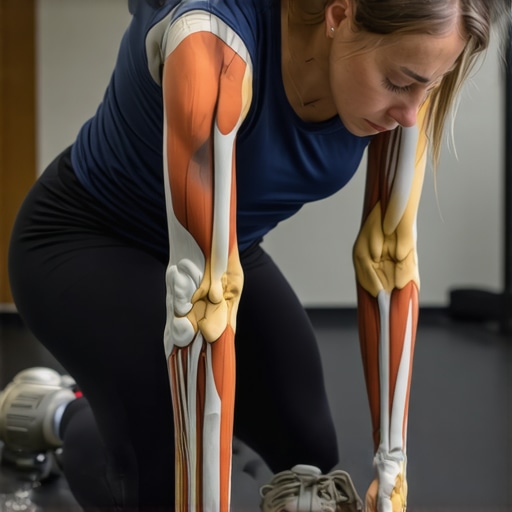
Have you ever lay on your foam roller after a long day, feeling that satisfying crunch in your lower back, only to realize later it’s worse than before? I remember the first time I did it. I thought I was helping my back, but instead, I ended up with sharper pain and more stiffness. That lightbulb moment made me question everything I thought I knew about self-mobility techniques.
Why I Almost Made My Back Worse with a Simple Staple
When I started my journey with foam rolling, I was eager to alleviate my lower back discomfort. Like many, I believed that targeting the lumbar spine directly was the way to go. But here’s the truth—it’s more complicated than just rolling it out. In fact, I was making a critical mistake early on: I rolled directly on my lower back, assuming it would relieve tension and improve mobility. Turns out, that approach can actually irritate nerves or compress discs further, leading to chronic issues rather than relief. If you’re wondering whether this technique is worth the hype, read on — I’ll break down what really works and what doesn’t.
Is Rolling Your Lumbar on a Foam Roller Actually Worth the Hype?
The short answer? Not necessarily. Many experts warn that direct lumbar rolling can be risky, especially if you have existing back conditions or poor form. Instead, focusing on areas around your lower back, like your hips, hamstrings, and glutes, can provide the relief you seek without risking exacerbation. I learned this the hard way — after my initial mistake, I discovered that targeted stretches and mobility exercises can make a real difference. Curious about safer alternatives? Check out this guide on improving back mobility without dangerous rolling.
So, if you’ve been guilty of rolling your lumbar spine, or just want to know the safest way to improve your back health, you’re not alone. Many have walked this path before you, trying simple fixes that end up doing more harm than good. But the good news is, there are better techniques waiting to be discovered. Let’s explore why direct lumbar foam rolling isn’t the miracle cure you might hope for, and what you should do instead to finally find lasting relief.
Targeted Hip and Glute Activation for Better Back Health
Start by focusing on the muscles around your hips and glutes, as they form the foundation for spinal stability. Lie on your back with knees bent and feet flat on the floor. Engage your core and gently squeeze your glutes, then lift your hips into a bridge. Hold for a few seconds, then slowly lower. Repeat 10-15 times to activate muscles that support your lower back, reducing strain. Once I committed to this simple exercise, I noticed decreased stiffness and more freedom in my lower back movements. For comprehensive routines, visit this collection of mobility exercises.
Use Dynamic Stretching Instead of Static for Lasting Relief
Static stretching can sometimes increase muscle tension if done improperly, especially during chronic pain episodes. Instead, opt for dynamic stretches that gently move joints through their full range of motion. For example, perform leg swings or arm circles for about 30 seconds each. These stimulate blood flow and improve flexibility without over-stretching sensitive tissues. I once tried static hamstring stretches in the morning, which left my hamstrings tight and my back sore. Switching to controlled leg swings made a significant difference, easing my sciatic discomfort over time. Explore movement-based approaches for more tips.
Incorporate Gentle Nerve Glide Techniques
Nerve gliding exercises can help reduce sciatica and nerve compression symptoms. Lie on your back, place one foot flat, and gently straighten your knee while keeping your thigh relaxed. Slowly move your ankle or foot within a pain-free range, feeling the nerve stretch without pain. This motion improves nerve mobility, preventing it from getting tethered or irritated. I experienced relief from shooting pains in my leg after daily practice of these gentle glides. For detailed protocols, see nerve glide techniques.
Improve Posture with Mindful Alignment
Pay attention to your daily posture, especially during prolonged sitting or device use. Sit with your back supported, feet flat, and hips level. Keep your shoulders relaxed and chin slightly tucked. Use ergonomic tools like lumbar rolls or adjustable desks to maintain this alignment. I noticed that when I started maintaining better posture throughout my workday, my neck tension diminished drastically. The key is consistency—set reminders to check your alignment and adjust as needed. More on ergonomic setup can be found at desk ergonomic tips.
Practice Controlled Breathing During Mobility Exercises
Deep, diaphragmatic breathing not only calms your nervous system but also enhances movement effectiveness. As you perform any mobility or stretching exercise, breathe steadily: inhale through your nose, expanding your belly, then exhale slowly through your mouth. This practice helps relax tense muscles and increases oxygen flow to tissues. I found that combining breathing with gentle movements during my daily routine made my back and neck feel more relaxed and less reactive to stress. To learn specific breathing techniques, visit breathing exercises for back tension.
Many enthusiasts and even practitioners mistakenly believe that increasing the range of motion is always beneficial for back, neck, or sciatica issues. However, pushing beyond healthy limits without understanding the underlying causes can exacerbate problems rather than solve them. For instance, some assume that static stretching alone cures chronic pain, but recent studies indicate that dynamic mobility exercises, combined with nerve gliding techniques, lead to better long-term results and fewer setbacks. This nuance is often overlooked, yet it’s crucial for effective recovery.
Common myths about mobility often set us on the wrong track. One pervasive misconception is that pain during movement equals damage; in reality, pain can sometimes signal that you’re compensating or overloading weak structures. Overdoing mobilizations without proper guidance can also loosen stabilizing tissues, increasing the risk of instability or re-injury.
Another subtle trap is the misuse of foam rolling. While foam rollers can relieve muscle tension, rolling directly on sensitive areas like the lumbar spine may irritate nerves or discs, leading to more discomfort. Instead, focusing on surrounding muscles such as hips, hamstrings, and glutes can provide relief without the danger. For advanced practitioners, understanding the importance of posture, ergonomic setup, and breath control during mobility exercises enhances effectiveness. If you haven’t considered how nerve gliding enriches your routine, it’s time to explore this underrated technique—proper nerve mobility can significantly reduce sciatica symptoms and prevent nerve entrapment here.
Beware of the oversimplification that stretching or foam rolling alone cures ingrained issues. Addressing core stability, posture corrections, and lifestyle changes often deliver more sustainable results. Exercise routines that incorporate controlled movement, mindful breathing, and ergonomic adjustments outperform generic stretching sessions. Take a moment to evaluate whether your current approach is missing these critical components—sometimes, less is more when it comes to effective mobility.
In my experience, understanding the nuanced differences between symptom relief and root cause treatment is vital. Targeted interventions such as glute activation, dynamic stretches, and ergonomic education can prevent the common pitfall of chasing symptoms without addressing the actual problem. Remember, the key is to work smarter, not harder—educate yourself about these hidden nuances to optimize your healing journey.
Have you ever fallen into this trap? Let me know in the comments!
Stay Consistent with Quality Tools and Techniques
Maintaining your mobility and alleviating chronic pain requires more than just knowing the right exercises—it demands reliable equipment and a strategic approach. Personally, I swear by a few key tools that have transformed my routine, helping me sustain progress over months and adapt as my needs evolve.
First, an ergonomic foam roller with firm density allows me to target muscles without risking nerve irritation, especially after I learned that direct lumbar rolling isn’t always advised. I prefer models with a textured surface for deeper tissue massage and adjustable tension settings to customize the feel during my sessions. Using these rollers, I focus on surrounding muscles like glutes and hamstrings, which play a vital role in supporting my lower back. Pro tip: I replace my foam roller every 12 months to ensure consistent firmness and hygiene, which maintains effectiveness.
Complementing my foam roller, I leverage resistance bands for gentle nerve glide exercises. For example, I use a light theraband to perform sciatic nerve mobilization, which has proven effective in reducing flare-ups. This approach is backed by nerve gliding protocols recommended in clinical studies, highlighting their importance in promoting nerve health and reducing inflammation.
Technology also plays a role. I utilize smartphone apps that guide dynamic stretching routines tailored to neck and back pain. These apps send reminders and adjust intensity based on my feedback, ensuring I don’t overdo it or slack off. The future points toward AI-powered programs that analyze movement data for personalized correction, making home routines smarter and safer.
How do I maintain long-term mobility and pain relief over time?
Adopting a holistic view is key. Regularly scheduled maintenance—whether through self-myofascial release, targeted stretches, or ergonomic adjustments—prevents setbacks. I dedicate 10 minutes daily to a mobility routine that combines foam rolling, nerve glides, and mindful breathing. Incorporating ergonomic ergonomics, such as an adjustable standing desk and lumbar support pillows, aligns my posture during work and daily tasks. For a comprehensive approach, these ergonomic tips provide ongoing guidance.
I also believe in tracking progress. Using simple logs to monitor pain levels and mobility gains allows me to adjust tools and routines proactively. As research suggests, integrating self-care with lifestyle modifications yields sustainable results. The trend toward personalized, technology-integrated solutions is growing, promising even more tailored and effective strategies in the near future.
If you’re serious about maintaining your back and neck health, I highly recommend trying resistance bands combined with nerve glide exercises. They’re cost-effective and adaptable to any home setup. Regularly updating your equipment—like replacing worn rollers or trying new app-guided routines—can keep your practice fresh and effective. Remember, continuity is everything in this journey—consistency with the right tools ensures you keep moving forward, pain-free. For detailed guidance on nerve gliding, check out this resource.
One of the biggest eye-openers in my journey toward better back and neck health was realizing how easily well-intentioned exercises can backfire if not approached with awareness and proper technique. The most profound lesson? Not all mobility techniques are created equal, and sometimes, doing less—much less—can be the fastest route to lasting relief.
The Hardest Lesson I Learned About mobility,neck pain,sciatica,back pain
- Targeting my lumbar spine with direct foam rolling only aggravated my symptoms because I ignored the surrounding muscles that truly support my spine. It was a moment of clarity when I understood that foundational stability comes from hips, glutes, and core—more than the area of pain itself.
- Overstretching without considering nerve health can lead to increased nerve sensitivity, especially with sciatic issues. Incorporating nerve gliding exercises transformed my approach, showing me that gentle mobilizations preserve long-term function.
- Posture isn’t just about standing straight; it’s about alignment that respects your body’s natural curves. Small ergonomic adjustments and mindfulness in daily habits made enormous differences over time.
My Favorite Tools for Lasting Back and Neck Relief
- Texture-Enhanced Foam Rollers: As I learned, a textured roller aids deeper tissue work without pressing directly on sensitive areas, avoiding nerve irritation and reducing inflammation.
- Resistance Bands for Nerve Glide Exercises: Gentle tension provided by bands supports safe nerve mobilization, essential for sciatic and neck nerve issues that traditional stretching can exacerbate.
- Guided Movement Apps: Technology offers structured routines with expert design—reminding me to stay consistent, avoid overdoing it, and adapt as I progress.
- Ergonomic Desk Accessories: Lumbar supports, adjustable desks, and mindful positioning became pivotal in maintaining posture during long work hours, preventing pain from creeping back.
The Future of Movement Therapy Looks Bright
Healing is an ongoing process that thrives on patience, education, and tailored routines. The key is to empower yourself with knowledge—understanding when to push and when to rest, recognizing the body’s signals, and adjusting accordingly. Remember, sustainable back and neck health isn’t achieved through quick fixes but through consistent, mindful practices that honor your body’s unique needs. If you’re ready to explore safe and effective techniques, I invite you to delve deeper into resources like ergonomic tips for everyday comfort and make proactive changes today.
What has been your biggest lesson in managing back or neck pain? Share your story below—I’d love to hear how you’re taking control of your mobility journey!