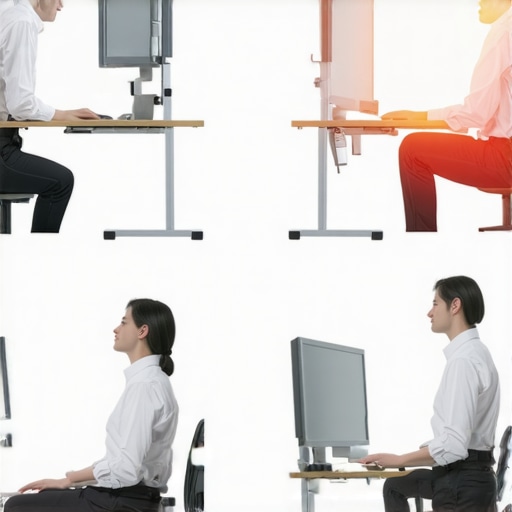
I’ll never forget the moment I realized my brand-new standing desk was making my back worse. I had envisioned days of increased energy, better posture, and a healthier spine, but instead, I found myself hunched over, neck aching, and muscles sore all day long. It was a classic lightbulb moment—despite all the hype about ergonomic furniture, my body was fighting back.
The Frustration of Investing in Comfort That Doesn’t Deliver
Like many, I believed that upgrading to a fancy standing desk would solve my back pain issues once and for all. But after a few months of alternating sitting and standing, I faced persistent discomfort. It dawned on me: no gadget or workstation can fix bad habits or poor posture on its own. That’s when I started digging into the real causes behind lingering back pain, even with the best equipment.
Is Your Fancy Standing Desk Actually Worth the Hype?
Early on, I made the mistake of assuming that all standing desks are created equal. I bought into the marketing, thinking a high-tech, adjustable desk would be the magic fix. Little did I realize, improper setup, neglecting movement, and ignoring the body’s signals turn these ergonomic tools into sources of pain. Research confirms that poor posture and static positions, even at standing desks, can contribute to discomfort, especially if not used correctly (source: The link between posture and back pain).
My goal here is simple: to help you understand why your current setup might be harming you more than helping, and to share practical fixes that have worked for me—and could work for you too.
So, are you tired of feeling like your fancy new desk is your worst pain accessory? If the answer is yes, stick around. We’re about to unravel the common pitfalls and get you on a path to real relief, one that doesn’t just look good but actually feels good. Up next, I’ll show you how to make your standing desk work for you, not against you.
Stretch Like You Mean It
Start with simple stretches that target your lower back and hips, such as the knee-to-chest or piriformis stretch. I vividly remember a morning I felt tightness worsening after hours at my desk. I paused to do a quick hip flexor stretch, holding each position for 30 seconds. The relief was almost immediate, reminding me that movement beats immobilization. Incorporate daily stretching routines, aiming for at least twice a day, to loosen stiff muscles and improve flexibility. For detailed guidance, check out simple mobility exercises.
Strengthen Your Core with Purpose
Think of your core muscles as a supportive corset for your spine. I once tried doing generic sit-ups, but I found targeted exercises like bird-dogs and planks much more effective. During one session, I set a timer for 20 seconds and held a plank, feeling my abdominal and back muscles activate. Progressively increasing the duration over weeks gradually built a sturdier foundation, reducing my back strain. Prioritize consistency—three times a week—and focus on proper form to maximize benefits. For some expert tips, see core strengthening techniques.
Mobilize Your Joints Regularly
Imagine your joints as hinges that need oiling to move smoothly. I began incorporating joint rotations into my routine—neck circles, shoulder rolls, and ankle circles—each morning. Once, I hesitated but then realized the discomfort in my neck decreased after consistent daily mobility. These gentle motions combat stiffness and promote blood flow, which is vital for healing and function. Aim for five minutes daily, paying attention to areas that feel restricted. Check out mobility tips for joints for more ideas.
Optimize Your Desk Setup to Encourage Movement
Your workspace can either hinder or help your back health. I caught myself sitting rigidly all day until I installed a sit-stand desk, but without proper adjustments, discomfort persisted. Now, I set a timer to switch positions every 30 minutes and take brief walks. Even a short stroll around the room or a quick stretch strengthens muscles and prevents stiffening. Remember, prolonged static positions are detrimental—movement is medicine. For ergonomic advice, explore posture and pain.
Manage Stress to Reduce Muscle Tension
Stress tightens muscles, creating a vicious cycle of pain. I noticed my neck and upper back feeling tense after stressful days. Deep breathing exercises and mindfulness helped me unwind, reducing muscle tightness. Incorporate diaphragmatic breathing for five minutes daily; it’s a game-changer. Less tension means less pain and greater mobility. To learn effective stress-relief methods, see stress management for neck and back pain.
Attend to Your Posture Throughout the Day
Your posture is your foundation. I often caught myself slouching after hours, which worsened my discomfort. I started setting hourly alarms as reminders to sit upright, with shoulders back and chin tucked. Using posture apps or ergonomic chairs can reinforce good habits. Small, consistent adjustments prevent the buildup of strain and support long-term spine health. For comprehensive posture strategies, visit posture and back pain link.
Many well-meaning individuals assume that back pain, sciatica, or neck discomfort stem solely from physical issues like muscle strain or poor posture. However, this perspective often overlooks critical nuances, leading to persistent problems despite diligent efforts. A prevalent myth is that stretching and strengthening alone can resolve complex pain patterns. While these are essential, they might be insufficient if underlying factors—such as nerve sensitivity or subconscious protective tightness—are ignored. “The nervous system’s role in pain perception is often underestimated,” notes Dr. David Clark, a pain management expert. He emphasizes that pain isn’t just a local issue but a symptom of the entire body’s adaptive response. An advanced mistake many make is gating all discomfort as purely mechanical and ignoring neurophysiological contributions, which can trap individuals in a cycle of ineffective treatments. For example, persistent sciatic pain might falsely be blamed entirely on disc herniation, but recent studies highlight that nerve root irritation and sensitization can persist even after the initial injury heals (source: Understanding nerve sensitization). Recognizing this nuance helps in tailoring interventions that include neurodynamics, stress management, and movement strategies that desensitize nerves. Moreover, some practitioners overlook the impact of psychological factors—like stress, anxiety, and fear—that amplify pain perception through the central nervous system. This isn’t mere placebo; it is backed by neuroscience evidence demonstrating how stress hormones can heighten pain sensitivity. For instance, chronic stress can foster muscle tension, perpetuating neck and back discomfort despite optimal ergonomic setups. Avoid falling for the trap of purely mechanical fixes; instead, address the neuro-psychological dimension. Considering all these factors enables more effective recovery plans. Incorporate practices like breathwork and mindfulness, proven to modulate nervous system activity, alongside physical therapies. Want to dive deeper into the biomechanical and neurophysiological interplay? Check out stress’s role in pain and lifestyle strategies for sciatic relief. Recognize that pain is multi-layered, and true progress often involves unraveling complex neural patterns, not just muscle tension. Have you ever fallen into this trap? Let me know in the comments.
Maintaining your back health requires more than just temporary fixes. Investing in the right tools and establishing a personalized routine can make a significant difference in the longevity of your progress. One device I personally swear by is the ErgoPulse Posture Corrector. It’s designed to gently remind me to sit upright, preventing slouching that leads to chronic strain. I wear it during long work sessions, and it helps me stay conscious of my alignment without restricting movement. Regular use has contributed to better posture awareness over time, which is crucial for sustained relief.
Supplementing physical tools with software solutions can also amplify your efforts. I recommend using apps like NeckTrack Pro, which tracks your daily neck and posture habits. It provides real-time feedback and gentle reminders—something I rely on to avoid subconscious slouching, especially during extended screen time. These digital tools serve as an external accountability partner, making it easier to develop consistent habits and prevent setbacks.
In addition to gadgets, developing a set of personalized mobility routines is essential. The Mobility Mastery program offers targeted exercises that specifically address my common trouble areas: hips, shoulders, and lumbar spine. Incorporating these routines daily ensures my joints stay lubricated and my muscles are less likely to tense up, which helps in avoiding recurrent pain episodes.
How do I keep my progress sustainable over time?
One strategy that I highly recommend is setting consistent checkpoints to reassess and adjust your routines. For instance, every month, I review my pain levels and mobility scores—tracking changes with a journal or an app. This ongoing evaluation allows me to identify emerging issues early, so I can tweak my routines or update my equipment accordingly. Also, I make a point to schedule periodic visits with a physiotherapist to fine-tune my approach and prevent complacency.
Looking ahead, I believe technological advancements will further personalize back health management. Wearable sensors that monitor muscle tension or nerve activity could provide even more precise feedback, enabling us to proactively address issues before pain manifests. Integrated biofeedback systems may become standard, making maintenance hands-free and intuitive.
To jumpstart your long-term back health, I suggest trying a simple mobility exercise from the routine I follow. Consistent practice, combined with the right tech tools, can greatly extend the benefits and keep you enjoying a pain-free life. Remember: proactive maintenance is your best defense against setbacks, so start by choosing one tool or routine today and commit to it.

Three Surprising Lessons I Never Expected About Back Pain
Dealing with chronic back pain taught me that progress isn’t just about exercises or gadgets; it’s about understanding your body’s subtle signals. I learned that persistence in physical routines must be paired with patience and self-awareness, or else setbacks become discouraging. One lightbulb moment was realizing how much stress amplifies discomfort—that stress manifests physically, tightening muscles and creating a vicious cycle. Lastly, I discovered that small, consistent adjustments to daily habits often have the most profound long-term effects, more than any single workout or device can deliver.
Tools and Tips That Truly Made a Difference
To support my journey, I relied on a few trusted resources that I can personally vouch for. The Mobility Mastery program provided targeted exercises that kept my joints healthy and my muscles relaxed. The stress management techniques helped me break the cycle of tension-related pain, integrating mindfulness into my daily routine. I also found that using ergonomic tools like the ErgoPulse Posture Corrector and apps such as NeckTrack Pro kept me accountable and mindful of my posture, turning good habits into lasting change.
Take Charge of Your Path to Pain-Free Living
Remember, recovery is a holistic process—combining movement, stress management, and consistent habits. Your journey may be unique, but the key is action. Small steps today can lead to significant relief tomorrow. Don’t wait for the pain to dictate your life; start making proactive choices now. Your back health is worth the investment. What is one habit you’re willing to adopt today to improve your back and neck health? Share your commitment below—I’d love to hear your plans for lasting change!
,
![Why 2026 'Ergonomic' Chairs Still Cause Back Pain [Fix]](https://bodyrenewtherapy.com/wp-content/uploads/2026/02/Why-2026-Ergonomic-Chairs-Still-Cause-Back-Pain-Fix.jpeg)
![4 Office Chair Adjustments to End 2026 Back Pain [Proven]](https://bodyrenewtherapy.com/wp-content/uploads/2026/03/4-Office-Chair-Adjustments-to-End-2026-Back-Pain-Proven.jpeg)

This article highlights so many practical points that resonate with my own experience. I used to believe that simply investing in a sit-stand desk would automatically improve my posture and reduce back pain, but I quickly realized that without the right habits, I was just shifting discomfort around. I found that intermittent movement and targeted stretches made a huge difference, especially when I was able to break up long static periods with quick mobility routines. What really stood out to me was the importance of listening to your body’s signals and adjusting your setup accordingly. I’ve started incorporating joint rotations and core strengthening exercises as part of my daily routine, which has noticeably lessened my fatigue and tension. I wonder if others have used technological tools like posture apps or biofeedback devices? Do you think these tools significantly improve awareness and habits over time, or do they sometimes become distractions?